
El Shaddai appears in the earliest strata of biblical literature: chiefly in Genesis in patriarchal narratives and is explicitly named in Exodus as the form in which the deity appeared to Abraham, Isaac, and Jacob. The compound functions as one of several divine names (e.g., ʾĒl ʿOlām, ʾĒl ʿElyon) used by Israelite authors to express different aspects or registers of the one God rather than a separate born being. The name occurs roughly 48 times in the Hebrew Bible and later received interpretive renderings in the Septuagint and Latin Vulgate that influenced theological readings (e.g., translations as "Almighty"/Deus Omnipotens).
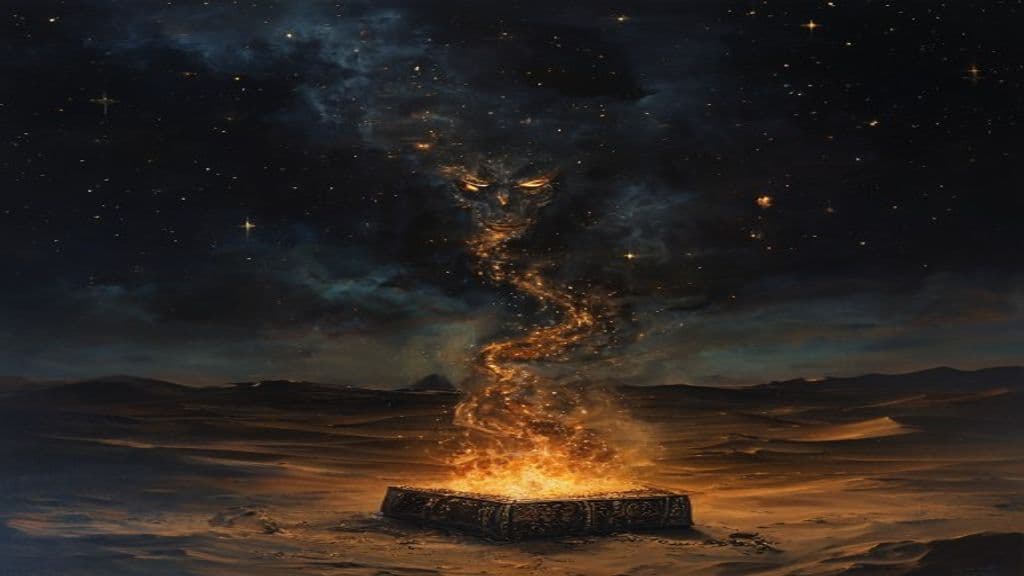
The sources do not provide a corporeal or pictorial depiction of El Shaddai; the name functions in narrative as a spoken divine self‑identification in encounters with patriarchs and in oracular/visionary contexts (for example, the Lᴏʀᴅ appearing to Abram and declaring "I am El Shaddai"). Non‑biblical inscriptions that contain forms like "shaddayin" have been discussed in scholarship but do not supply a consistent anthropomorphic portrayal of El Shaddai in the supplied materials.
As a divine title in biblical texts, El Shaddai is associated with the roles and actions of the God who speaks, makes covenants, promises to multiply descendants, and features in oracular visions. Interpretive traditions emphasize different facets based on etymology: if derived from shadad ("to plunder/overpower") it suggests an overpowering or destructive aspect; if linked to Akkadian shadû ("mountain") it evokes dwelling or manifestation on sacred mountains or wilderness locales; if tied to Hebrew shādayim ("breasts") the semantic field may include fertility or nourishment imagery. Later translations and theological reception often render the name as "Almighty," reflecting an interpretation toward omnipotence, though the original compound's semantic range is debated.
Weaknesses
- otherNo biblical weaknesses attested
Wards
- otherNo wards or protective rituals directed against El Shaddai attested in the cited sources
Community Record
- [1]El Shaddai. Wikipedia, 'El Shaddai' article (etymology, biblical occurrences, translation history, and scholarly proposals cited within)wiki
- [2]El Shaddai (Wikidata entry: Ascension of the Metatron). Wikidata entry referenced in provided notesother
- [3]Parashat Lekha - God as 'El Shaddai' - אֵל שַׁדַּי. Parashah summary discussing Genesis passages and the usage of the nameother
- [4]Deir Alla inscriptions and discussion of shaddayin / šēdim. Discussion in the El Shaddai article noting the Deir Alla inscriptions and tentative identification of shaddayin with šēdimwiki