The supplied sources do not present a single, unified origin story under the Old English label ēoten. In the broader Norse corpus a primeval jötunn, Ymir, is named as a progenitor from whose body the world is formed; this reflects how members of the jötnar family can be woven into cosmogonic genealogies. Old English poetic usage employs ēoten as a word for a giant or monstrous opponent in heroic contexts, but the sources do not provide a detailed, distinct genealogy specifically under the ēoten label.
Medieval and scholarly sources emphasize great size and strength as primary attributes; detailed or consistent visual descriptions are uneven in the supplied material. Saga and poetic instances portray a range from enormous humanoid figures to monstrous or bestial variants in particular episodes, but the corpus does not define a single canonical appearance beyond largeness and imposing stature.
Across the Norse‑Germanic materials represented in the sources, members of the jötnar family (with which ēoten is linguistically associated) are depicted as possessing great physical strength, serving as antagonists or challengers to gods and heroes, and in some narratives functioning as ancestors of important monstrous figures (for example, some jötnar are linked to Ymir and to mythic offspring such as Jörmungandr, Fenrir, and Hel). The supplied sources note variation and do not ascribe a uniform catalogue of magical powers to ēoten; stories emphasize contest, cunning, ambush, and boundary‑dwelling behaviour rather than a fixed set of supernatural abilities.
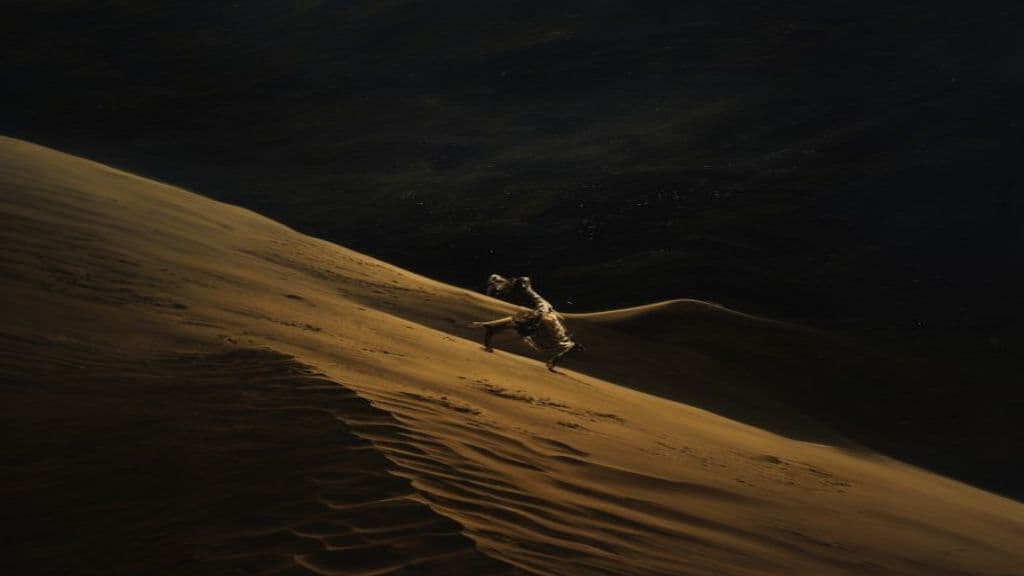
Jann
The weakest class of djinn in Islamic tradition, associated with desert winds and taking the form of snakes or whirlwinds, dwelling in empty wilderness and posing little threat to those who know the proper invocations.
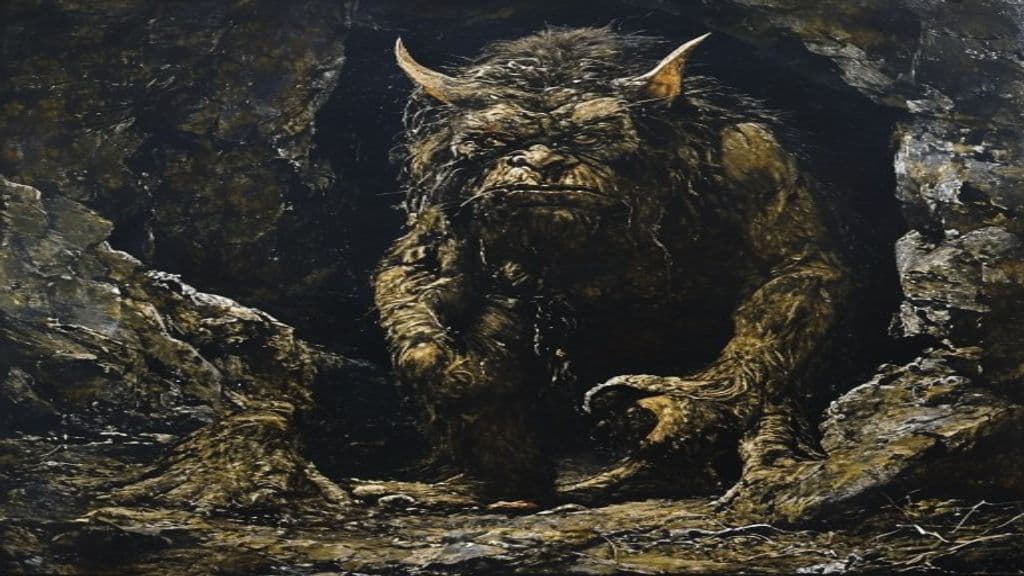
Troll (Germanic Tradition)
In Germanic folklore, a troll is a being that dwells in isolated areas of rocks, mountains, or caves, living together in small family units and rarely interacting with humans. (Note: - Power tier should be changed from Primordial to Ancient (trolls' origins from primordial forces don't necessarily imply cosmic-level power). - Ability description is not entirely accurate; it's stat)
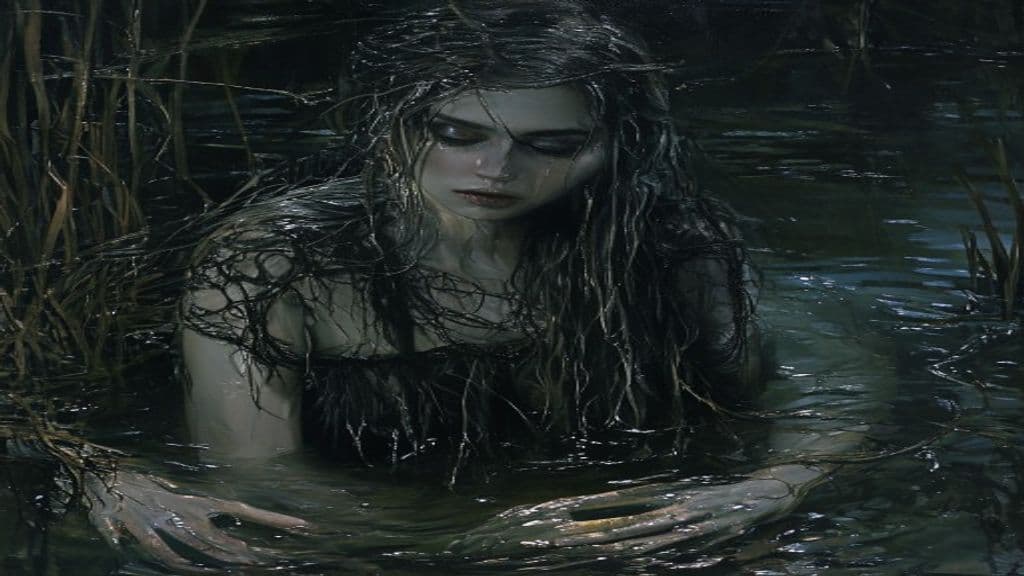
Rusalka
Water spirits in Slavic folklore — the spirits of young women who died by drowning or suicide, bound to rivers and lakes. Beautiful and dangerous, they can bewitch men to their deaths.
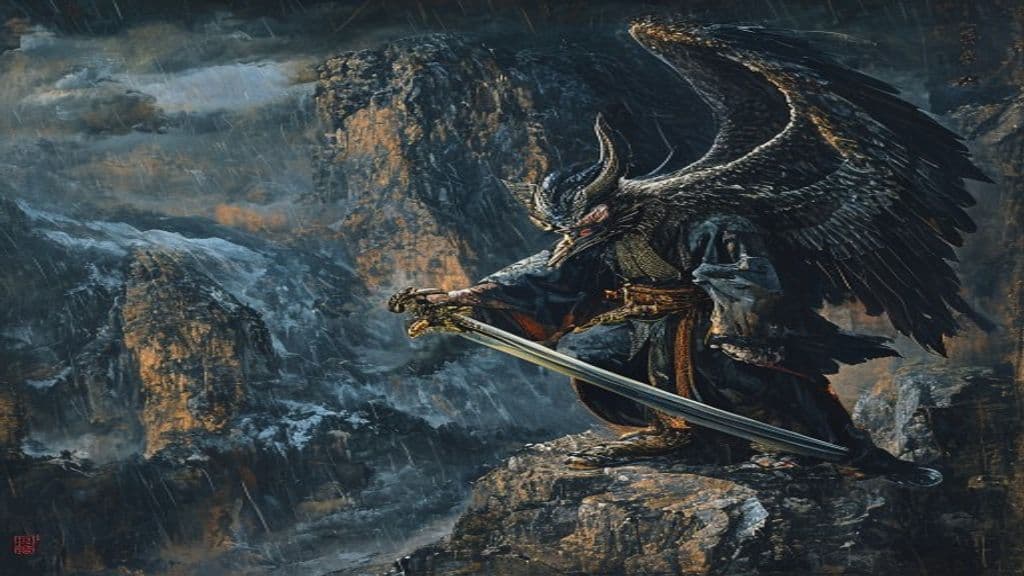
Tengu
Proud, warrior-like mountain spirits of Japan, associated with martial arts, pride, and the wild mountains. Neither fully good nor evil — they test and train warriors and monks, but punish the arrogant.
Community Record
- [1]Jötunn. Wikipedia: Jötunnwiki
- [2]Jötnar (Wikidata). Wikidata: Jötnarother
- [3]Trolls & Jotnar (Norse Mythology Explained) [Archive.org video]. Archive documentary: 'Thurs, Eoten & Jotun'; 'Ymir - The first Jotun'; 'How to trick a Giant'; 'Trolls as evil spirits' (contents list)other
- [4]ēoten – Old English Wordhord. Old English Wordhord entry for ēoten (gloss: 'a giant')folk
- [5]Battle of Finnsburg. Wikipedia: Battle of Finnsburg (note on usage of 'eoten' in Old English contexts)wiki
- [6]Völuspá: Texts and Translations. Völuspá (Poetic Edda) material and stanza commentary referencing giants and mythic genealogyliterary
- [7]Aphelion serial: 'Six Thegn Quean' (Episodes Three & Four). Aphelion web serials (modern fictional usages and depictions of giant‑like figures)other
- [8]inga ǽrgeweorc: 'ēttins' (ingwine.neocities). ingwine.neocities.org: Old English notes on ettins/ēotenfolk
- [9]Paizo People: EOTEN the DEVOURER; Eoten - Giant of Antiquity. Paizo user pages demonstrating modern fantasy reuse of the name 'Eoten'other