
Epeius is presented in epic tradition as a son of the Phocian line (son of Panopeus) and an Achaean warrior active in the Trojan War. In Homeric and later summaries he appears as a strong combatant and prizewinner in funeral games and as the craftsman chosen by Odysseus to construct the hollow wooden Horse that led to Troy's fall. Later localizing traditions associate him with post-war dedications to Athena and with settlement or foundation legends in Italy (Pisa, Metapontum).
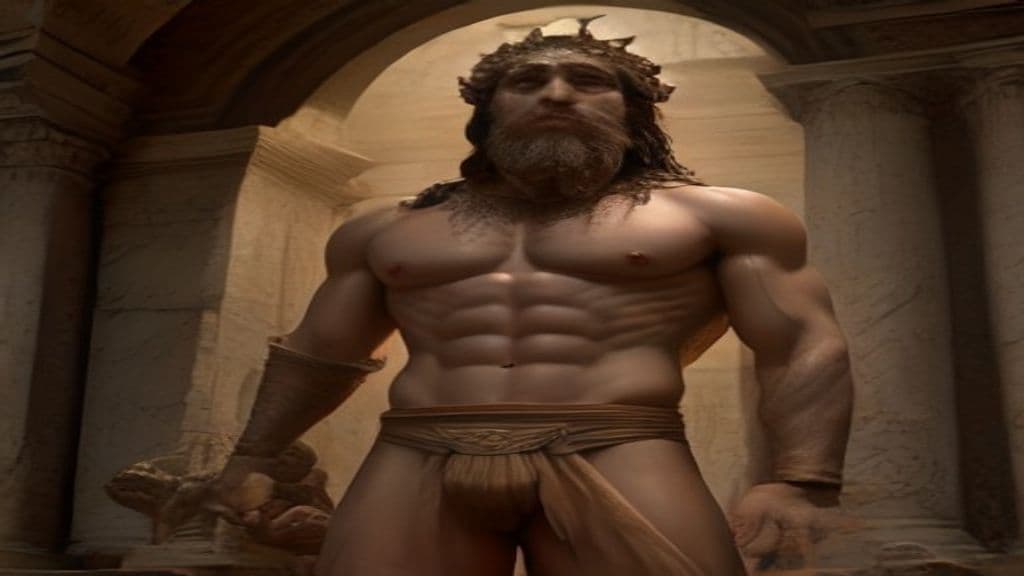
Sources emphasize Epeius's exceptional physical strength and a reputation for great size—phrases in the tradition describe him as said to have 'enormous strength' or a reputation for being a giant in heroic terms. No detailed facial or dress features are given in the cited summaries; his athletic victories (boxing) and martial role are the primary markers of his bodily presence in the narratives.
Epeius is credited with superior martial and athletic ability (victor in the boxing at Patroclus' funeral games; later contests such as a stalemate with Acamas are also recorded in summaries) and with notable technical/architectural skill. He constructed the hollow Wooden Horse—cutting timber on Mount Ida, building a horse with a hollow interior and openings in its sides so warriors could hide inside, and fitting a special catch or fastening described as one that only he could undo. He was selected by Odysseus to build the device and personally chose the thirty warriors who hid within. Post-war traditions credit him with dedicating the tools used to Athena and with settling or founding cities in Italy in later local legend.
Odysseus
Odysseus is a legendary mortal king of Ithaca from ancient Greek epic tradition, best known as the protagonist of Homer's Odyssey. Celebrated for his intellect, craft (mêtis), and long nostos (homecoming), he functions as an exemplar of heroic cunning rather than a supernatural being.

Athena
Athena is a major ancient Greek goddess associated with wisdom, handicraft (notably weaving), and warfare; she serves as a tutelary protector of cities—most prominently Athens—and is central to myth, cult, and civic identity in the Greek world.
Community Record
- [1]Epeius of Phocis — Wikipedia. Wikipedia entry 'Epeius of Phocis' (summary of Iliad, Apollodorus, Aristotelian Corpus and later traditions)wiki
- [2]Strabo, Geography (Book IX) — Phocis reference. Strabo, Geography (as summarized/translated in LacusCurtius) noting Panopeus and Phocian associationsliterary
- [3]Apollodorus — summary of Trojan Horse construction. Apollodorus (summarized in modern references) describing cutting timber on Mount Ida and construction of the hollow Horse with openings and the special catchliterary
- [4]Aristotelian Corpus — preserved-tools dedication (summary). Summary citation attributing preservation of Epeius's dedicated tools to Athena's sanctuary near Metapontum (Aristotelian Corpus reference as reported)literary
- [5]Wikidata: Epeius (Q278930). Wikidata brief description and identifiersother