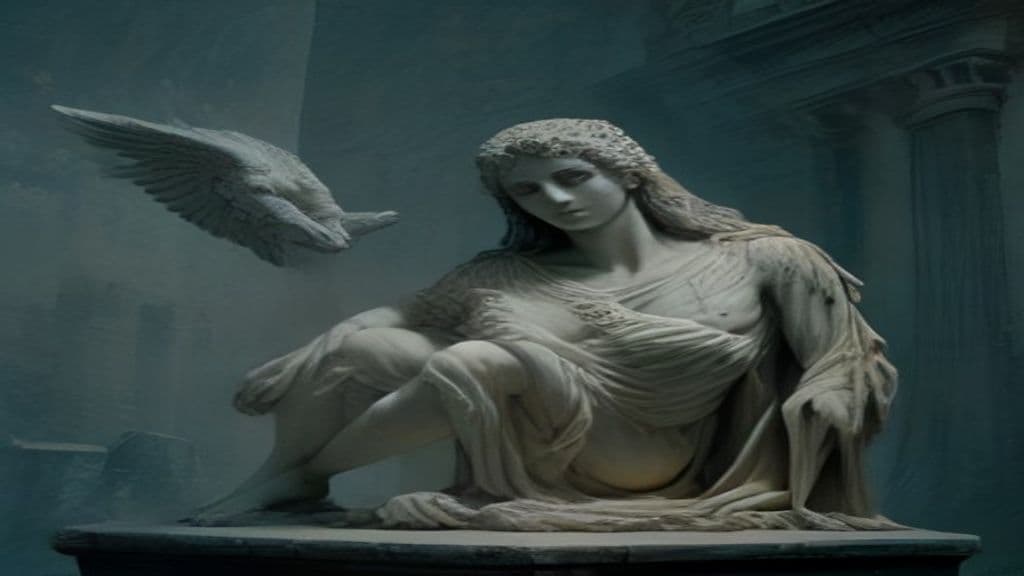
Epicaste does not originate as a single mythic progenitor figure in the provided sources but appears as a recurring personal name attached to distinct mortal women in Greek genealogical and epic traditions. The attested instances include (1) Epicaste as a Homeric name for Jocasta/Iocaste in the Theban cycle, mother and later unwitting wife of Oedipus; (2) an Epicaste listed as a Calydonian princess, daughter of King Calydon; (3) an Epicaste described as daughter of King Augeas of Elis and mother to a son by Heracles; (4) an Epicaste who is wife of Clymenus of Argos and mother of named children; and (5) a tradition making Epicaste a daughter of Nestor and wife of Telemachus. These multiple localized usages show the name functioning within family-line narratives to anchor descent and local heroic claims rather than as the biography of a single unified character (sources: Wikipedia Epicaste; Pausanias-derived Thebes summaries; classical prosopographic compilations).
The sources do not give a consistent physical description for any single Epicaste. Attestations are genealogical or narrative, emphasizing social role (mother, wife, daughter) rather than bodily detail. A Homeric allusion uses the epithet "fair" of Epicaste in passing, but beyond that the texts cited record names, relationships, and fates rather than uniform iconography or appearance traits across the different women called Epicaste (sources: Homeric paraphrase; prosopographies; mythographic summaries).
No supernatural powers or abilities are attributed to Epicaste in the provided materials. The recorded 'abilities' are social and familial: marriage, childbearing, and participation in dynastic succession. In narrative contexts these roles have consequential dramatic effects—for example, the Homeric/Hellenic tradition that uses Epicaste as a name for Jocasta describes how her marriage to her son Oedipus and the subsequent revelation (proclaimed by the gods) bring catastrophe to the royal household. Other Epicaste figures are recorded as mothers of kings or heroes, contributing to genealogical transmission of status in local traditions (sources: Homeric passages; genealogical entries in classical reference works; Pausanias-derived summaries).
Abderus
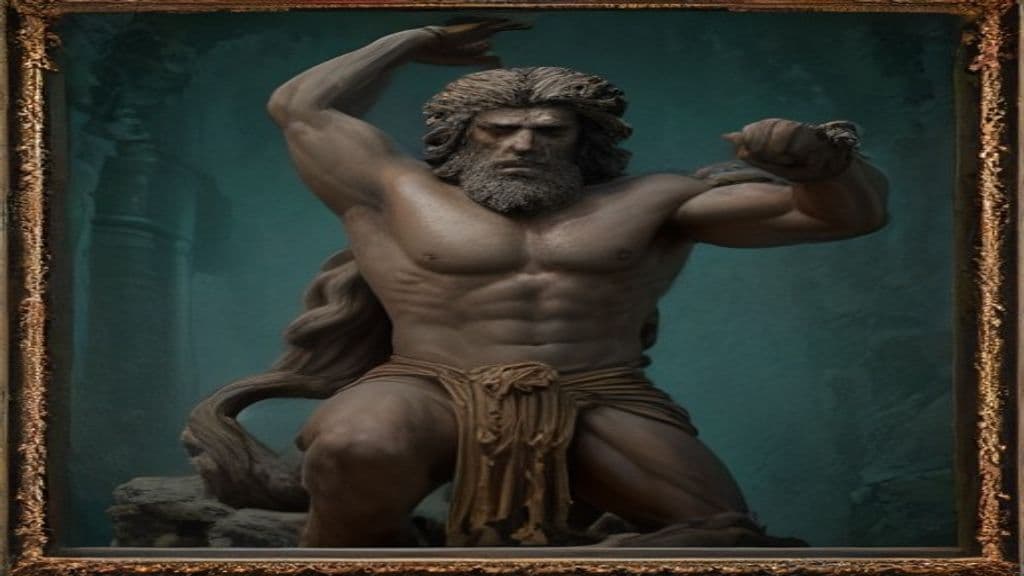
Abderus (Ancient Greek: Ἄβδηρος, romanized Ábdēros) is a mortal heroic figure in Greek myth closely associated with Heracles, remembered as the youth left in charge of the Mares of Diomedes who was killed by them. He functions as an eponymous local/divine-hero ancestor for the city of Abdera and received funerary commemoration and athletic agones at his tomb.
Acamas
Acamas (Ancient Greek: Ἀκάμας) is a personal name recurrent in ancient Greek narrative traditions applied to multiple human characters (warriors, princes, suitors), once to a Cyclops, and once as a hound's name. Rather than a single supernatural entity, bearers of the name appear episodically across the Trojan War, Theseid, and Theban cycles as mortal actors whose deeds intersect with gods and fate.
Acarnan
Acarnan (Ancient Greek: Ἀκαρνάν) is an anthroponym attested in Greek mythic and epic tradition as the name of at least two distinct mortal figures: a son of Alcmaeon and Callirrhoe, and a human suitor of Penelope from Dulichium. The lexical form also appears adjectivally/ethnically (Acarnanian), linking the word to the region Acarnania; etymologically the name is reported as derived from a Greek fish-name (akarnan).
Acastus
Acastus is a mortal heroic figure of ancient Greek tradition: son of Pelias who became king of Iolcus, an Argonaut who sailed with Jason, and an actor in the post-Argonautic cycle involving Medea, Peleus, and the aftermath of Pelias’s death. He is attested as performing civic and ritual actions (burying Pelias, instituting funeral games, purifying Peleus) and as a participant in vendetta episodes that end in violent reprisals.
Acessamenus
Acessamenus (Ancient Greek: Ἀκεσσάμενος, Akessamenos) is attested in Greek sources as a mortal king of Pieria and the eponymous founder of a Macedonian place called Akesamenai. He appears in Homeric genealogy as the father of Periboea, whose union with the river-god Axius links Acessamenus into the ancestry of the hero Asteropaios.
Achaeans (Homer)
In Homeric epic, 'the Achaeans' (Ancient Greek: Ἀχαιοί, Akhaioí) is a collective ethnonym used to refer to the Greek peoples as a single grouped human contingent—the army of Greeks in the Trojan War narratives such as the Iliad and the Odyssey. The term functions as a poetic designation for human actors within the moral, social, and military universe of Homeric poetry rather than as a supernatural class of beings.
Acmon
Acmon (Ancient Greek: Ἄκμων, 'anvil') is a polyvalent personal name in Greek myth borne by several distinct minor figures — a Dactyl (artisan), a Phrygian eponymous king, a mischievous woodland creature, companions in epic cycles (one companion of Diomedes transformed into a bird; an Aenead), and in some brief traditions an alleged father of Uranus. The name therefore functions across artisanal, topographical, trickster, and metamorphosis motifs rather than denoting a single unified supernatural species.
Acrisius
Acrisius (Ancient Greek: Ἀκρίσιος, Akrisios) is a mythic-historical king of Argos in Greek tradition whose narrative is defined by an oracular prophecy foretelling his death by his daughter's son. He is portrayed as a mortal ruler entangled with dynastic rivalry, oracular authority, and the eventual accidental fulfillment of fate.
Aeacidae
The Aeacidae are a dynastic lineage in Greek myth and historiography descended from the hero Aeacus, son of Zeus and the nymph Aegina. The name functions as a patronymic designation for those 'of Aeacus' and is used to claim genealogical legitimacy and political prestige in regions such as Aegina and Molossian Epirus.
Aegipan
Aegipan (Αἰγίπαν / Αἰγίπανος) is an ancient Greek mythological figure associated with goat attributes and with the sea‑goat imagery of the constellation Capricornus. He appears in classical myth as a semi‑divine helper (notably in the Typhon episode) and, in later natural‑history and medieval bestiary reception, the name is applied to satyr‑like or ape‑like wild men in distant lands.
Aegisthus
Aegisthus (Greek Αἴγισθος, Aigisthos) is a mortal member of the House of Atreus in Greek myth who, born of incestuous circumstances and raised by shepherds and a goat, participates in dynastic murder and usurpation — notably the slaying of Atreus in some accounts and the conspiracy (with Clytemnestra) that results in Agamemnon's death — and is later killed by Orestes, an episode that figures in narratives about inherited guilt, vengeance, and the transition from private retribution to public justice.
Aeolus
Aeolus is a name applied to multiple related figures in Greek myth: an eponymous son of Hellen (founder of the Aeolian people), a son of Poseidon who led colonial ventures to Tyrrhenian islands, and a son of Hippotes depicted in epic as a ruler or keeper of the winds. Ancient mythographers note confusion and overlap among these persons.
Community Record
- [1]Epicaste - Wikipedia. Wikipedia, 'Epicaste'.wiki
- [2]Jocasta - Wikidata. Wikidata entry for Jocasta/Iocaste.wiki
- [3]LP0061 Thebes Mythical History (archive). Thebes Mythical History (archival compilation referencing Pausanias-style summaries).literary
- [4]LP0056 Thebes & Thespius (archive). Thebes & Thespius (archival compilation of mythic summaries).literary
- [5]Who's Who in Classical Mythology (archive). Prosopographic reference: Who's Who in Classical Mythology.academic
- [6]Homeric allusion (Myth-Folklore Online - Odyssey excerpt). Homeric passage paraphrase referencing 'fair Epicaste, mother of king OEdipodes' and the Oedipus narrative.literary
- [7]Week 7: Homer and Vergil (Myth-Folklore Online commentary). Course commentary discussing Homeric usages and variants (mentions Epicaste as name for Jocasta/Iocaste).literary
- [8]The Tetralogies of Aeschylus - discussion. Discussion noting Aeschylus' use of the variant Epicaste for Iocaste in tragic tradition.literary
- [9]Person: Epicaste (UVic myths repository, EPIC1). Prosopographic entry for Epicaste (variant instances) in a compiled myth database.other
- [10]Person: Epicaste (UVic myths repository, EPIC2). Supplementary prosopographic entry listing multiple women named Epicaste.other