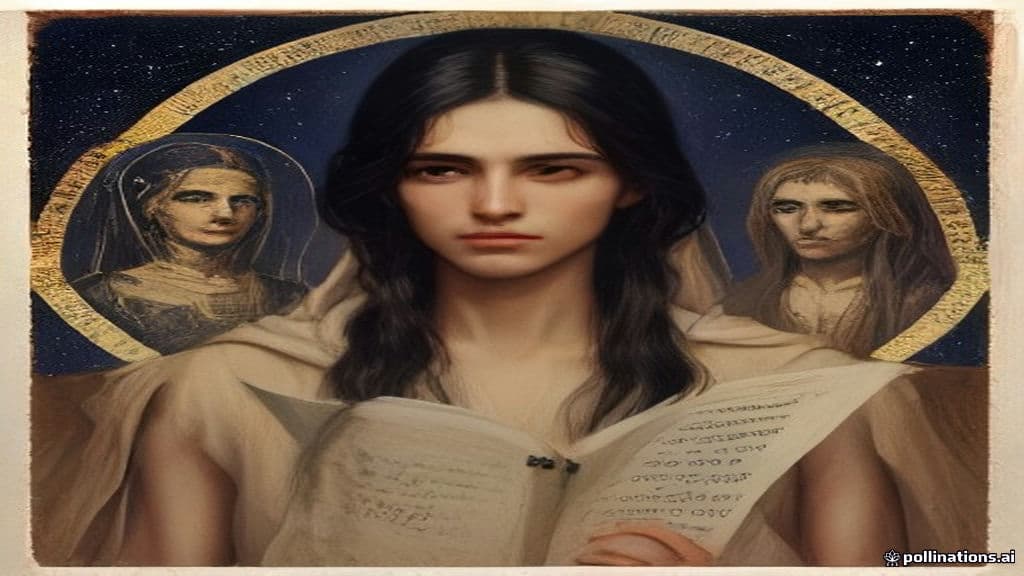
The sources do not present a single origin narrative for an entity named Euchenor; rather the name appears across several genealogical and heroic traditions. In one tradition Euchenor is one of the sons of King Aegyptus and thus part of the Aegyptid/Danaid cycle; in that tale he is slain on his wedding night when his bride obeys her father Danaus and murders her husband. In another tradition Euchenor is recorded as the son (or, in alternate accounts, the grandson) of the seer Polyeidos; Polyeidos prophesied two possible fates for him and Euchenor chose the path that led to his death at Troy. A third attestation names Euchenor as one of the sons of Aeolus of Lipara, connected to accounts that describe Aeolus' practice of endogamous sibling marriages to preserve concord. Finally, some sources present Euchenor as the father, by Phlogea, of the king Echetus. These appearances function within wider genealogical, heroic, and moral frameworks of Greek myth rather than as an origin for a supernatural class or cult.
The cited materials treat Euchenor as human individuals and do not provide physical descriptions. No supernatural or iconic appearance is recorded in the provided sources. Descriptions in the sources focus on genealogical placement and narrative role (prince of Aegyptus; son/grandson of the seer Polyeidos and brother of Cleitus; son of Aeolus; father of Echetus) rather than on bodily attributes.
No supernatural powers are ascribed to any bearer of the name in the supplied materials. The documented behaviors and roles are strictly human and narrative: as an Aegyptid prince Euchenor is a victim in the Danaid wedding-night slayings; as Polyeidos' son (or grandson) he participates in heroic campaigns (the Epigoni) and chooses to go to Troy where he is killed by Paris per the seer's prophecy; as an Aeolian son he is part of a dynastic arrangement emphasizing internal marriage to preserve concord; as father of Echetus he figures in genealogical listing. Outside mythology the name has been applied in modern contexts (an asteroid entry and Lepidoptera taxonomy) and appears in poetry, but these are nominal reuses rather than descriptions of abilities.
Weaknesses
- otherNone attested in sources
Wards
- otherNone attested in sources
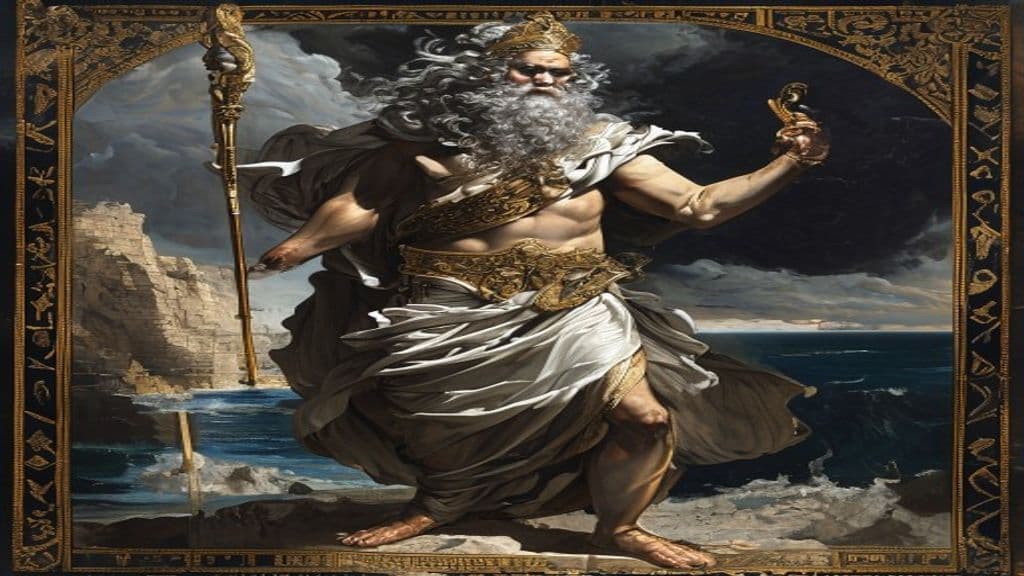
Aeolus
Aeolus is a name applied to multiple related figures in Greek myth: an eponymous son of Hellen (founder of the Aeolian people), a son of Poseidon who led colonial ventures to Tyrrhenian islands, and a son of Hippotes depicted in epic as a ruler or keeper of the winds. Ancient mythographers note confusion and overlap among these persons.

Epigoni
A mythic generation in Greek tradition comprising the sons (progeny) of the Argive heroes who fought in the first war against Thebes; they mount a second expedition against Thebes ten years after their fathers and function in the Theban epic cycle as heirs who avenge and continue their fathers' deeds.
Community Record
- [1]Wikipedia: Euchenor. Wikipedia contributors, 'Euchenor', Wikipedia, The Free Encyclopediawiki
- [2]Wikidata entry Q2264513 (Euchenor asteroid). Wikidata: Q2264513other
- [3]Papilio euchenor. Wikipedia contributors, 'Papilio euchenor', Wikipedia, The Free Encyclopediawiki
- [4]Euchenor Chorus (Arthur Upson). Arthur Upson, 'Euchenor Chorus', DayPoemsliterary
- [5]Euchenor Chorus (plain text). Arthur Upson, 'Euchenor Chorus' (plain text reproduction)literary
- [6]Myths.UVic: Euchenor (person). Myths of the World, University of Victoria: 'Euchenor' entryacademic
- [7]CAS Lepidoptera Holdings (Euche...). California Academy of Sciences, Lepidoptera holdings (Euche- prefix entries)other