Eurytus appears in Hellenic epic and local traditions as the king of Oechalia, famed for exceptional mortal skill in archery. Some genealogical variants recorded in the tradition name him as descended from Apollo (in some accounts described as a grandson or otherwise linked to Apollo), a connection used to explain both his archery skill and the narrative tension when he challenges divine authority. Literary sources and mythic summaries list his family variously (commonly naming children such as Iphitus and Iole and in some lists naming a wife such as Antiope/Antioche), with genealogical details differing between authors and local traditions.
Literary sources provided do not give a sustained physical portrait of Eurytus beyond his social rank and renown as an archer-king. He is consistently presented as a human ruler—an aristocratic/royal figure—whose notable trait is exceptional skill with the bow. The cited texts and summaries do not record specific dress, marks, or iconographic details for Eurytus; any visual reconstruction beyond ‘king’ and ‘archer’ is not attested in the provided materials.
Eurytus is portrayed as an exceptionally skilled mortal archer; some traditions explicitly credit him with teaching Heracles the use of the bow. Sources emphasize his technical prowess and reputation rather than supernatural powers—his remarkable skill is framed as outstanding human excellence. Narrative behaviors attributed to him include arranging an archery contest to award his daughter Iole, refusing to honor promises tied to that contest in some versions, and exhibiting pride (hubris), most famously in the Homeric account in which he is said to have challenged Apollo and to have been killed by the god for that presumption. In other traditions within the Heracles-cycle his dispute with Heracles over Iole and related incidents (the killing of Iphitus, the sacking of Oechalia) lead to his death at Heracles’ hands.
Weaknesses
- conditionmortality
- otherhubris/pride (challenge to a deity such as Apollo)
- otherfamilial/political decisions (refusal to award Iole as promised) that provoke violent reprisal
Wards
None recorded.
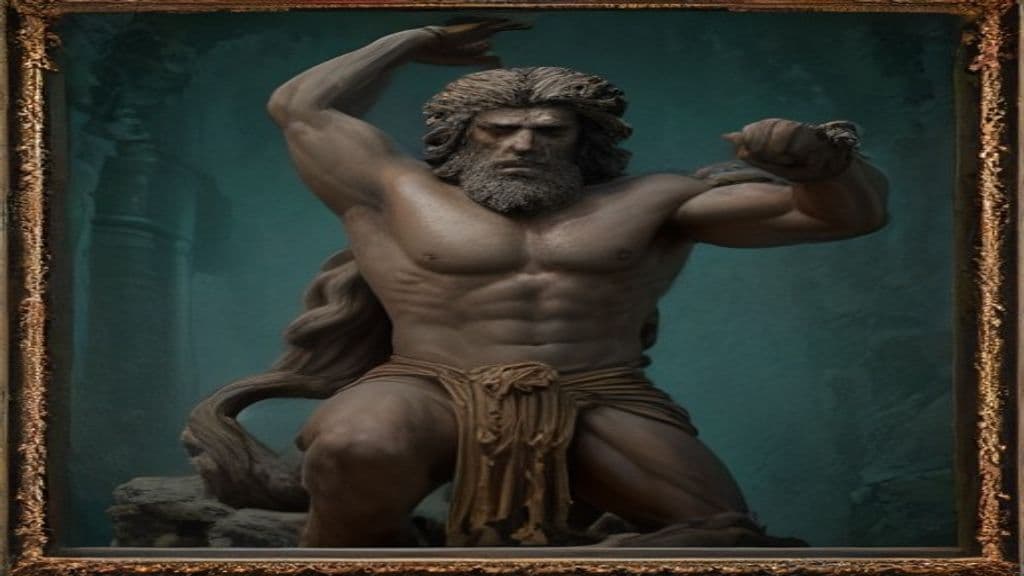
Heracles
Heracles is the greatest hero of Greek myth whose career bridges mortal hero-cult and full divinization. Celebrated for his Twelve Labours, martial prowess, and travels between the mortal world, the underworld, and Olympus, he functioned as a civic patron, ancestor of royal lines (the Heracleidae), and object of cult that treated him both as chthonic hero and as god.
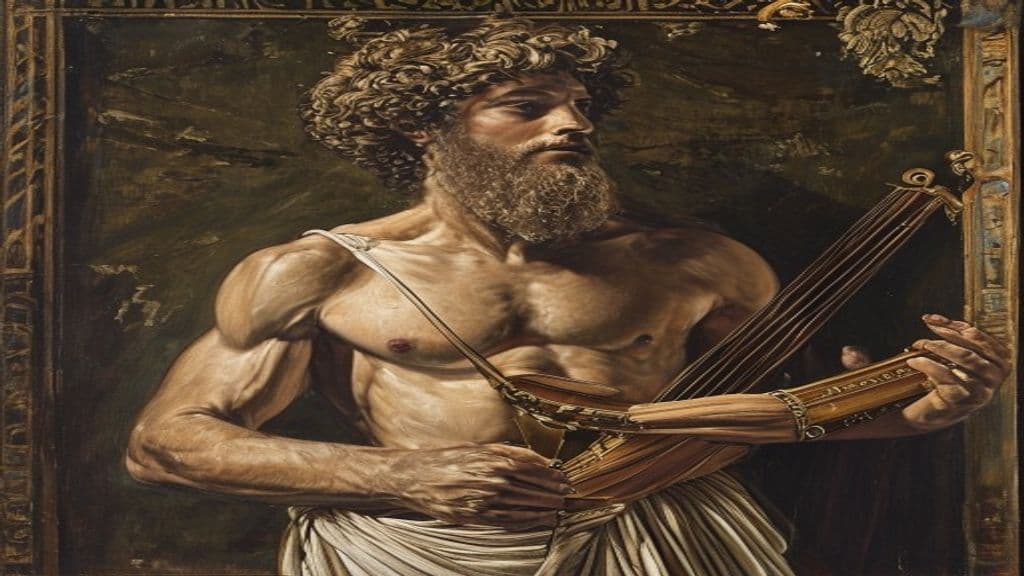
Apollo
Olympian deity of ancient Greek religion associated with prophecy, healing, music, archery, purification, and civic order. Principal patron of the Delphic oracle, protector of youth and flocks, and ambivalently both healer and bringer of plague.
Community Record
- [1]Eurytus of Oechalia (Wikipedia summary of tradition). Wikipedia, 'Eurytus of Oechalia' (summary of traditions citing Homer, Pausanias, and later mythographers)wiki
- [2]The Fables of Hercules (archive LP0055) -- collected mythic narratives. Archive collection including retellings of Heracles-cycle material referenced in the research notesother
- [3]Labors Legacy (archive LP0051) -- Heracles-cycle materials. Archive collection addressing the Heracles narratives and related variants cited in the notesother
- [4]The Argonauts Assembled, from The Fables of Hyginus (archive LP0078). Archive collection of Hyginus material included in the source list of the research notesother