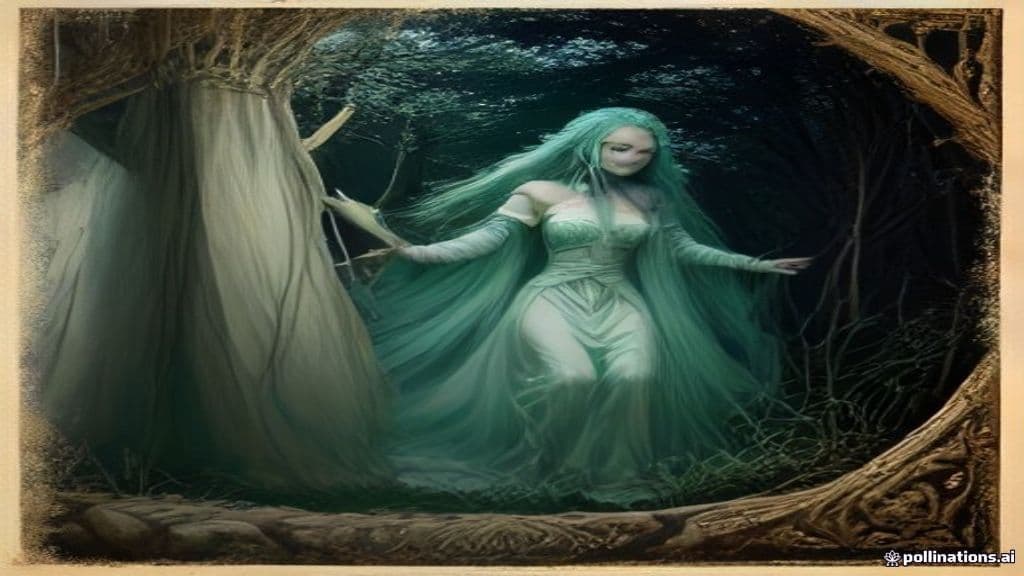
Flidais appears in medieval Irish texts as a named woman bound to a miraculous herd rather than as a systematically attested cultic origin-story figure. In saga material she is presented with family ties and social roles—wife, mother, and lover—appearing in sources such as Táin Bó Flidhais (set in Erris, County Mayo), passages of the Táin Bó Cúailnge (where she sleeps in Ailill mac Máta's tent and her herd supplies the army), and in genealogical lists (Metrical Dindshenchas; Lebor Gabála Érenn; Cóir Anmann). Some later and popular commentators have called her a cattle- or deer-goddess; medieval folk etymologies linking her name to deer (flid ois) and subsequent characterizations as a woodland or deer-associated deity are recorded in secondary tradition, but modern scholarly summaries of the medieval corpus stress that her attested mythology overwhelmingly concerns cattle, milking, and herd-provisioning rather than a clear woodland/divinity cult.
Direct physical description in the cited medieval material is sparse. She is given the epithet Foltchaín, glossed 'beautiful hair,' indicating notable beauty. Narratively she appears as a woman of rank who sleeps in tents (for example in the tent of Ailill mac Máta during the Táin Bó Cúailnge) and as a desirable partner (noted in The Tidings of Conchobar for her capacity to satisfy Fergus mac Róich). Beyond such markers of status and the epithet, the supplied sources do not provide extended bodily description.
In the saga corpus Flidais is chiefly attested as owner/guardian of a supernatural herd and of a favored white cow, the Maol (Maol Flidais). In Táin Bó Flidhais the Maol is said to be capable of feeding 300 men from one night's milking; in accounts of the Táin Bó Cúailnge her herd is said to supply milk for an entire army every seven days. She is portrayed in narratives as a wife, lover (notably of Fergus mac Róich), and mother (e.g., named as mother of Fand in the Metrical Dindshenchas; of Dinand and Bé Chuille in Lebor Gabála Érenn). A late/obscure note names a son, Nia Segamain, alleged to have been able to milk wild deer through power received from his mother—an element that has contributed to later deer-associated interpretations but that is treated as a secondary or contested reading in modern summaries. The extraordinary powers attributed to her herd are presented within saga narration rather than as ritual magic instructions.
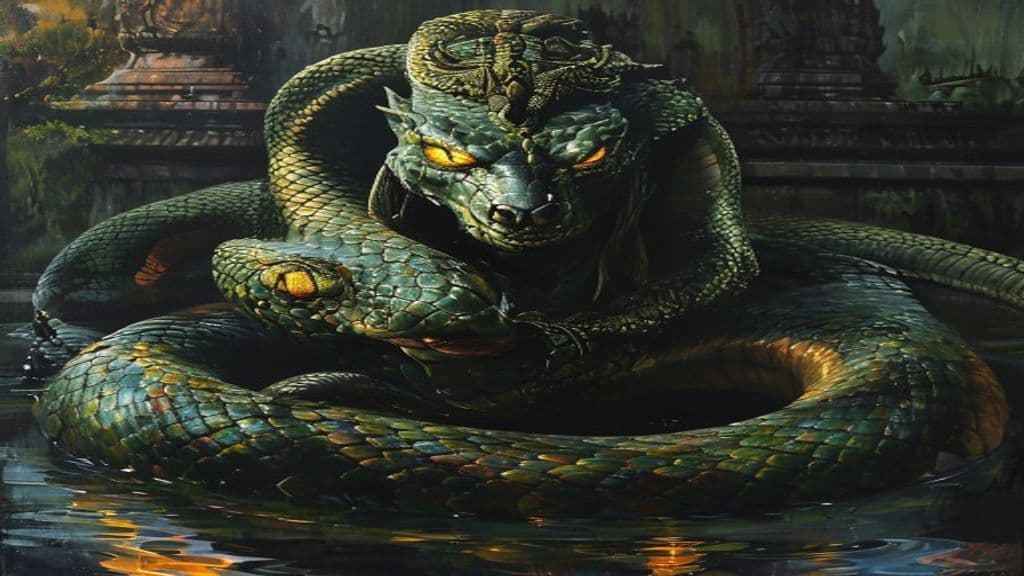
Naga
Divine serpent beings of Hindu, Buddhist, and Jain cosmology — powerful guardians of water, earth, and underground treasures. Revered as deities in South and Southeast Asia.
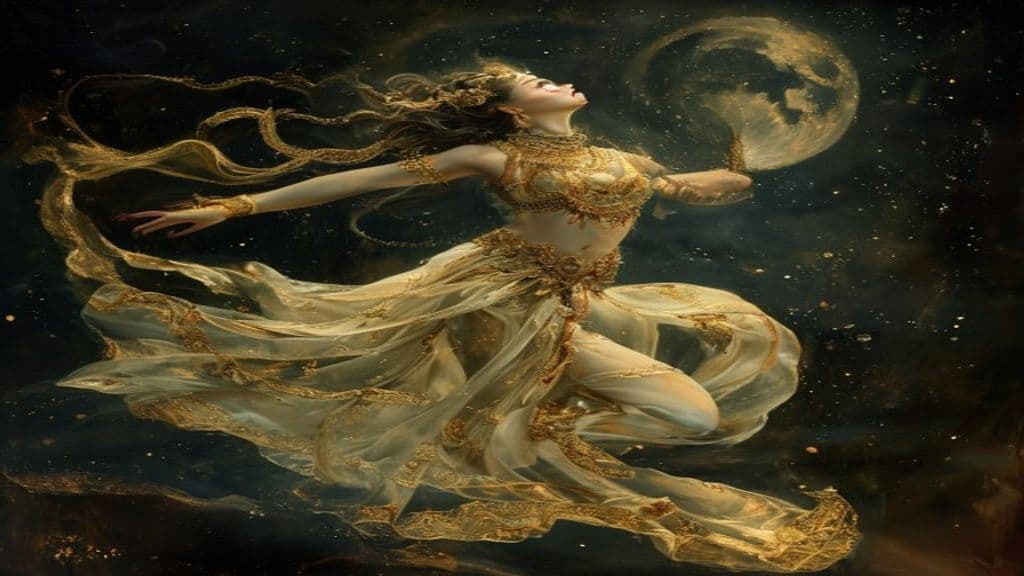
Apsara
Celestial dancers and water nymphs of Hindu cosmology — beautiful semi-divine beings who dance at the court of Indra and, by his command, descend to earth to distract sages from excessive asceticism.
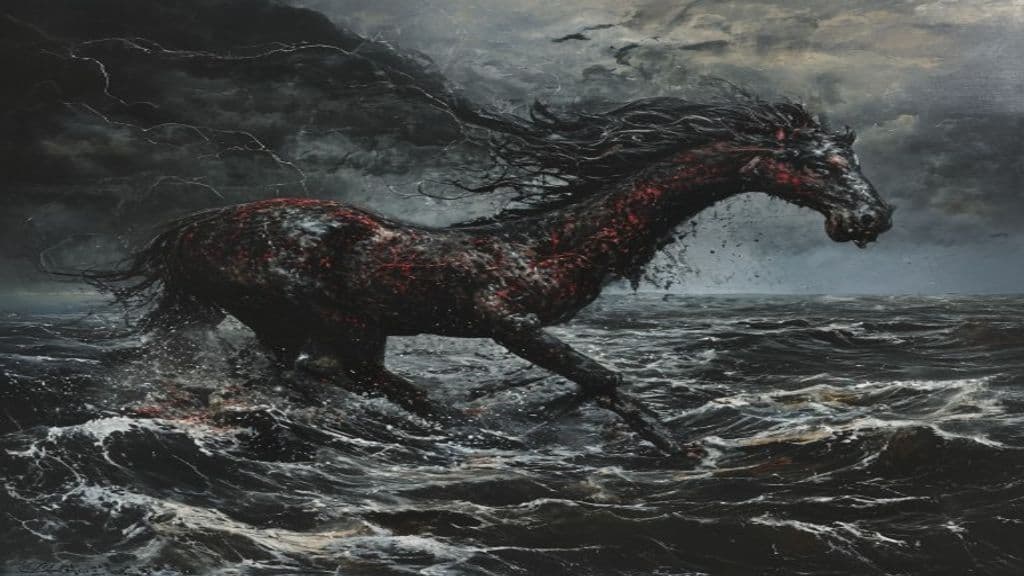
Nuckelavee
The most terrifying creature of Orcadian folklore — a skinless, horse-headed demon of the sea whose breath spreads plague and whose presence causes crops to wither. It cannot cross fresh water.
Community Record
- [1]Flidais (Wikipedia). Wikipedia entry 'Flidais' (summary and discussion of interpretations, etymology, and attestations)wiki
- [2]The Driving of the Cattle of Flidais (Táin Bó Flidhais) - ancienttexts.org. The Driving of the Cattle of Flidais (text as presented at ancienttexts.org) — tale attesting Maol and herd prodigiesliterary
- [3]The Driving of the Cattle of Flidais - Mary Jones. Edition/translation of Táin Bó Flidhais (narrative details on Maol and herd)literary
- [4]Glenmasan Manuscript, Part 2 (celt.ucc.ie). Glenmasan Manuscript excerpts referencing Flidais and the Maol (narrative evidence)literary
- [5]Glenmasan Manuscript, Part 1 (celt.ucc.ie). Glenmasan Manuscript (contextual manuscript attestations cited in the corpus)literary
- [6]The Tidings of Conchobar son of Ness - ancienttexts.org. Passages noting Fergus mac Róich's appetite and Flidais' exceptional capacity to satisfy him (narrative context)literary
- [7]References to Lebor Gabála Érenn, Metrical Dindshenchas, and Cóir Anmann (as cited in Wikipedia). Summaries noting genealogical mentions (e.g., children Dinand and Bé Chuille; daughter Fand; wife of Adamair in Cóir Anmann) as referenced in the Wikipedia entrywiki
- [8]Heroic Romances of Ireland (archive.org). Collected translations/editions of Irish heroic romances that include cattle-raid material; cited in the supplied list as context for saga traditionsliterary