
The theonym appears in Sumerian and Akkadian textual traditions and is conventionally read Gibil in scholarship; the Akkadian form Girra derives from Akkadian girru 'fire'. Cuneiform writings include logographic and syllabic forms (dNE.GI, dGI.NE, dGIBIL6, dGIŠ.BAR). Scholarly sources note uncertainty about some readings: while Girra as the Akkadian word for fire is secure, the conventional Sumerian-derived reading Gibil and some spellings have been subject to debate. Gibil is attested in god lists (An = Anum) with a defined household (spouse Ninirigal, attendant Nablum) indicating an institutionalized cult identity rather than mere anonymous elemental reference.
No secure anthropomorphic depiction of Gibil is known in the surviving visual record. Textual epithets and hymnic language imagine radiance and torch-like qualities (epithets translated as 'prince with a burning white body' and 'prince with a glowing body'), and his conventional emblem in texts is a torch; a censer and torch appear among his named divine counselors in god lists. Hymn fragments address him with torch imagery ('O torch! ... O Gibil the god of fire').
Gibil governs fire across constructive, transformative, purifying, and destructive domains. Texts associate him with furnaces, kilns and metallurgical craft as well as with conflagration caused by lightning and burning of fields or houses. In ritual corpora he functions in purification rites and as an agent invoked in anti-witchcraft and anti-omen incantations (notably the Maqlû and Šurpu series) and appears in namburbi omen-nullifying rituals that treat lightning-fire as a divine display. He receives cultic offerings in city contexts and is invoked in incantations to avert or undo harmful supernatural occurrences.
Weaknesses
- otherNo single 'weakness' attested; sources depict ambivalence—fire under his authority can be both hazard and purifying agent
Wards
- ritualMaqlû (incantation series)
- ritualŠurpu (incantation series)
- ritualNamburbi (omen-nullifying ritual genre)
- symboltorch and censer (textual cultic paraphernalia associated with Gibil)
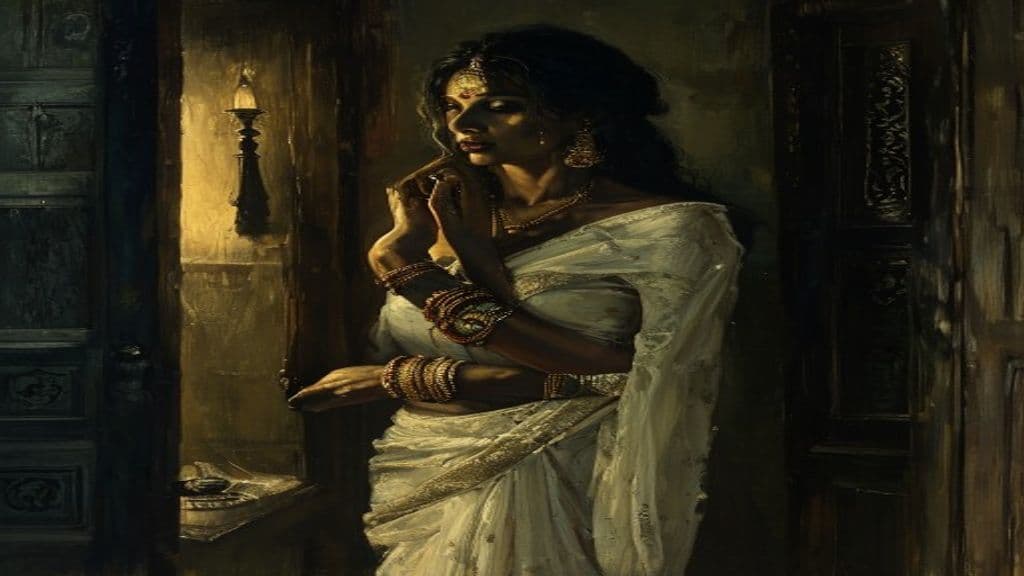
Shakchunni
Bengali ghost of a married Brahmin woman who died before her husband — identifiable by her white sari and conch-shell bangles, she possesses living married women and refuses to relinquish domestic life.
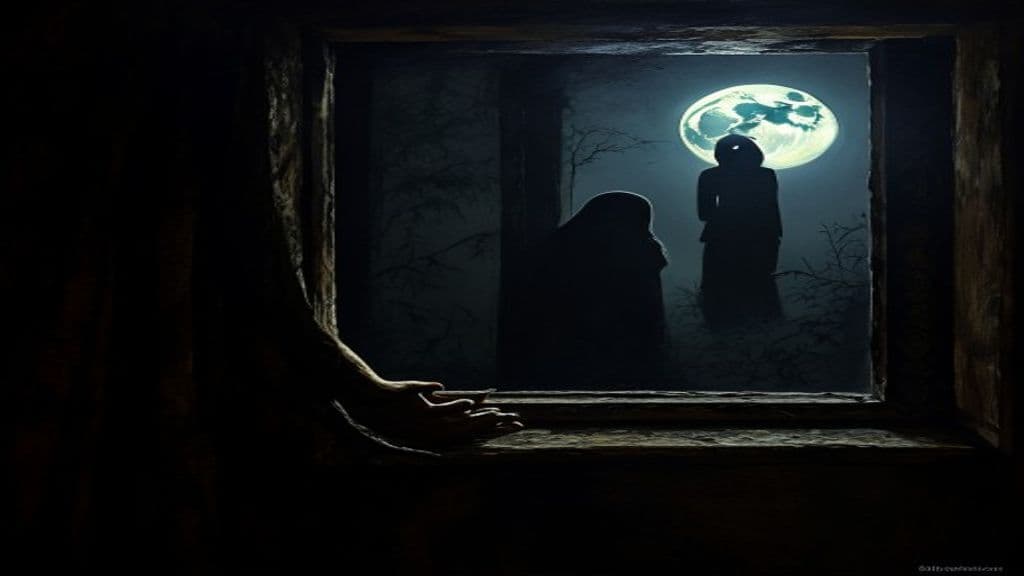
Nishi
Bengali spirit of the night that calls your name in a loved one's voice — answering three times seals your fate. Its call cannot be refused by those whose time has come.
Community Record
- [1]Gibil - Wikipedia. Wikipedia, article 'Gibil'wiki
- [2]A hymn to Kusu (mentions and ritual context). Electronic Text Corpus of Sumerian Literature, 'A hymn to Kusu' (composite text)academic
- [3]Translation: A hymn to Kusu. ETCSL translation excerpt citing hymn language addressing Gibilacademic
- [4]Occasional archival and secondary references. Between the Rivers (archive reference used among research notes)other
- [5]Gibilbiro reference compilation. Compilation of references to Gibil in ritual/incantation materialsother