
In the mythic genealogy related to the foundation of Korea, a heavenly figure named Hwanin (literally 'Heavenly King' and closely related to the Haneunim concept) is presented as the ancestor of Dangun. Hwanin's son Hwanung requests and receives permission to govern the human world; Hwanung is sent to Earth bearing 'three Heavenly Seals' and accompanied by three thousand followers, arriving beneath the sindansu (신단수; 神檀樹; 'Holy Tree of Sandalwood') on a holy mountain where he founds a holy city. Sources present Haneunim/Hananim as the supreme sky-lord occupying the highest place in older Korean cosmology and later identified with analogous supreme deities in adjacent religious systems.
The supplied sources do not record a fixed anthropomorphic iconography for Haneunim. Rather than a consistent visual form, Haneunim is described as the supreme sky deity and is in various traditions identified with other high deities (for example Indra/Śakra in Buddhist contexts or Okhwang Sangje, the Jade Emperor, in Taoist-influenced contexts). No specific, consistent physical description is provided in the cited materials.
Source material characterizes Haneunim chiefly by role and status: as the Lord of Sky and supreme heavenly authority in Korean cosmology. In the Dangun narrative the heavenly king bestows authority to his son (Hwanung) to govern Earth, sending him with three Heavenly Seals and followers — an act of conferral of rule. Syncretic identifications with Indra, the Jade Emperor, and other pan-Asian sky-high deities imply functions typical of apex deities (rule over heaven, legitimization of earthly authority) as reported by the sources, but the provided materials do not enumerate a list of specific supernatural powers or miracle stories beyond these roles and identifications.
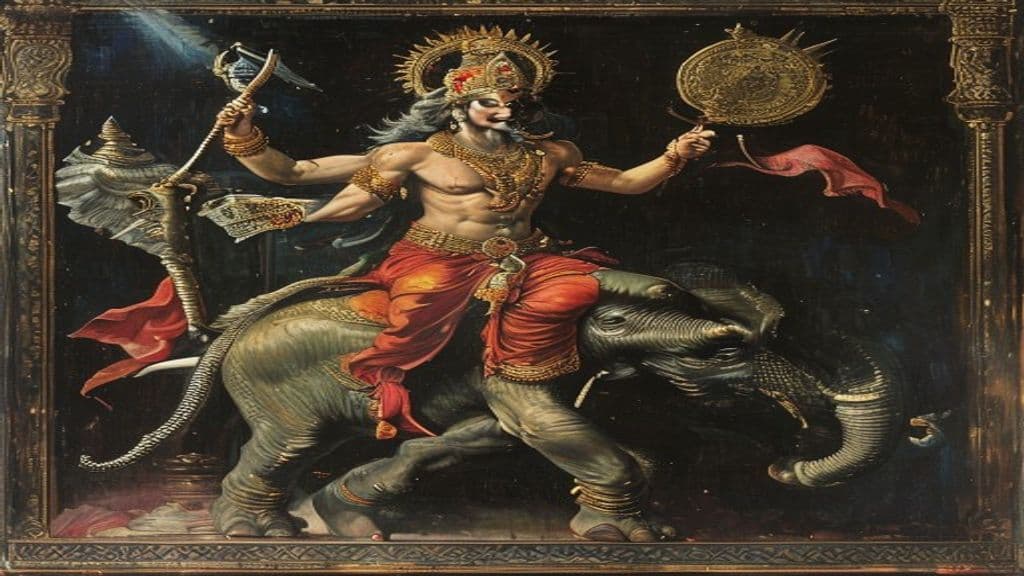
Indra
Indra is a major Vedic deity, king of the devas and lord of Svarga (heaven), associated primarily with the sky, storms, lightning, rain, rivers and martial heroism; he is central in the Rigveda and later appears across Hindu, Buddhist and Jain cosmologies with varying status.
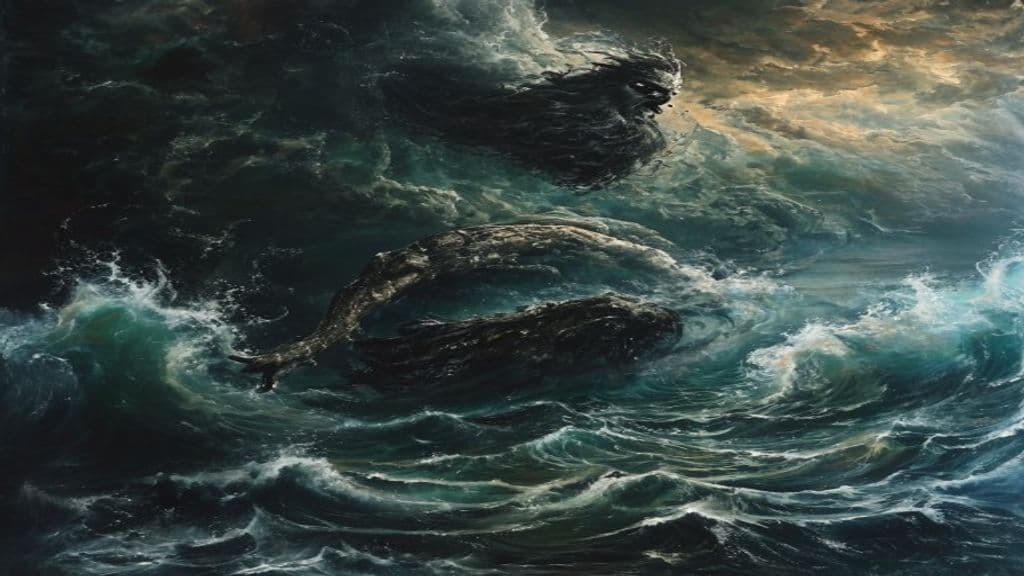
Marid
The most powerful class of jinn in Islamic tradition — beings of the sea, associated with the deep ocean, storms, and the granting of wishes at terrible cost. The classic genie of the Arabian Nights.
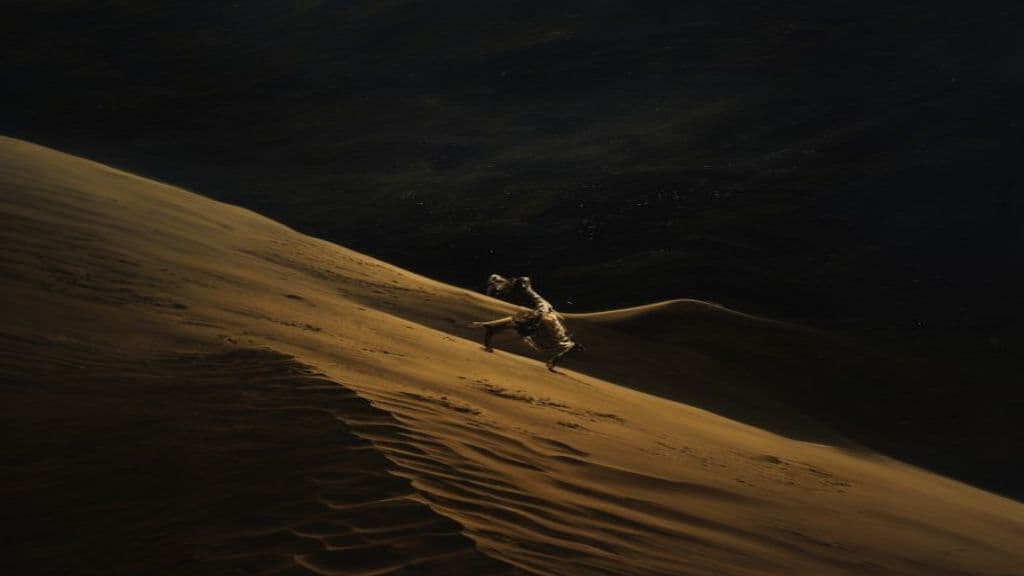
Jann
The weakest class of djinn in Islamic tradition, associated with desert winds and taking the form of snakes or whirlwinds, dwelling in empty wilderness and posing little threat to those who know the proper invocations.
Jann
The weakest class of djinn in Islamic tradition, associated with desert winds and taking the form of snakes or whirlwinds, dwelling in empty wilderness and posing little threat to those who know the proper invocations.
Community Record
- [1]Haneunim. Wikipedia: 'Haneunim (Korean: 하느님; lit. "Lord of Sky") or Hananim (Korean: 하나님) is the sky god in Korean mythology.'; Dangun section: description of Hwanung sent bearing three Heavenly Seals and arriving under the sindansu.wiki
- [2]Haneullim (Wikidata entry). Wikidata: 'Sky god of Cheondoism and Jeungsanism.'other
- [3]Korean Studies mailing-list posts: 'Again, Haneunim (and the Trinity)'. Discussion noting linguistic/confessional variation and usage of Haneunim/Hananim in Christian contexts (forum/mailing-list commentary).folk
- [4]GypsyScholar blog: Rhie Won-bok on Christian 'Misuse' of 'Allah' (includes discussion of name-usage). Blog commentary noting debates over term usage and noting Haneunim/Hananim in modern religious-language contexts (blog/forum source).other