Harendotes is not presented as a separate origin figure but as a named local form or epithet of Horus attested in Greek transliteration and Egyptian documentary sources. The Greek gloss recorded in a lexical list renders the name as 'Horus-avenger-of-his-father,' linking this manifestation to the mythic cycle in which Horus avenges Osiris and to the legitimating, filial actions of the Horus identity. The epithet appears in temple dedication at Philae and in Demotic and administrative documents of the later Pharaonic and Roman eras.
No unique iconography for Harendotes is preserved in the cited materials beyond standard Horus imagery. Sources identify Horus most often as a falcon (commonly depicted as a lanner or peregrine) or as a man with a falcon head. A cornice block from the Temple of Harendotes at Philae contains a coronation/baptism scene associated with the temple; the specific Horus figure on that fragment is not preserved, but the relief provenance and scene associate Harendotes with conventional Horus representations in temple relief.
As a local manifestation of Horus, Harendotes embodies filial avengement (the gloss 'Horus-avenger-of-his-father') and functions in protective and legitimating roles for the pharaoh. Temple imagery (the Baptism of Pharaoh cornice block from Philae) shows Horus (here associated with Harendotes) and Thoth pouring streams symbolized by ankh (life) and was (dominion) over the king, linking Harendotes to purification and the conferment of royal life and authority. Documentary and onomastic attestations — personal names and fiscal/administrative references — indicate the name was used in social, protective, and identity-bearing contexts.
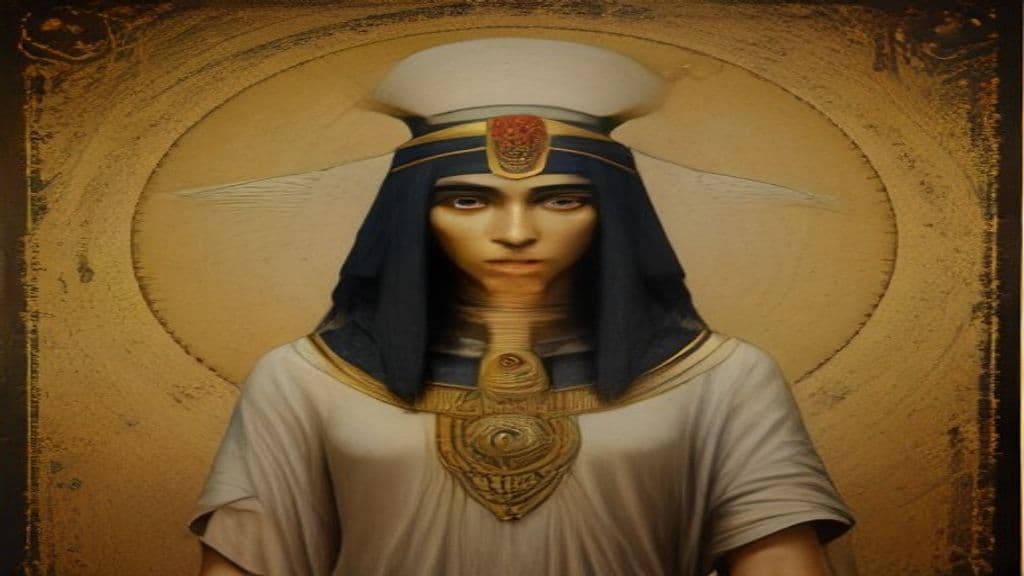
Thoth
Thoth is an ancient Egyptian deity of the Moon, wisdom, writing, measurement, and magic, functioning as divine scribe, counsellor, and maintainer of Ma'at; he appears in myth as inventor/author of knowledge and as a recorder in funerary judgment and cosmic calculation.
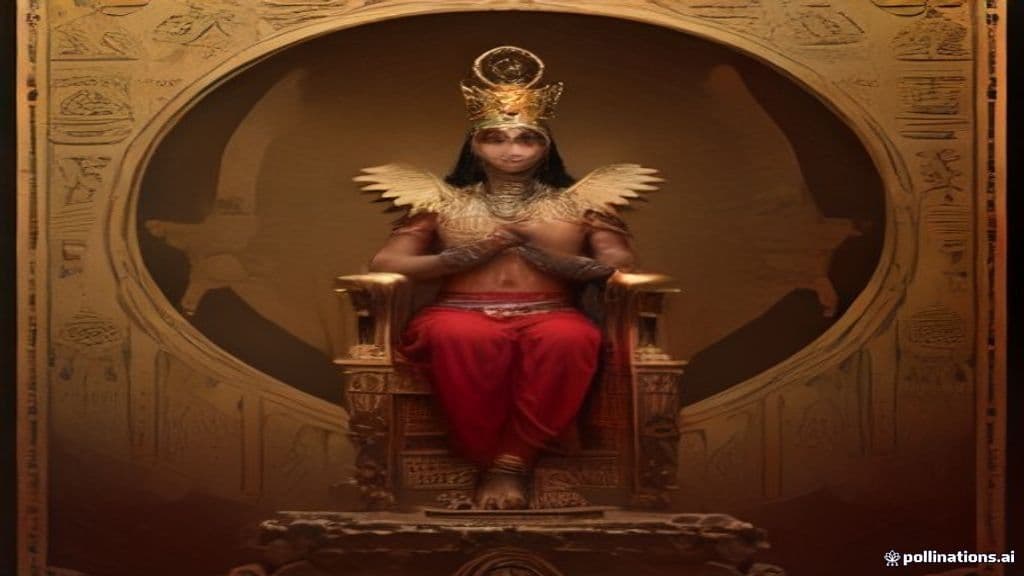
Horus
Horus (Ancient Egyptian ḥr.w) is a major Egyptian deity associated with the sky, the sun and moon, kingship, protection, and healing. He appears in multiple local and chronological manifestations (e.g., Horus the Elder, Horus the Younger) and serves as the divine model of the living pharaoh and avenger/heir of Osiris.
Community Record
- [1]Horus (Wikipedia). Encyclopedia entry on Horus noting common depictions and major aspects of Horus.wiki
- [2]Wikidata entry: Harendotes. Wikidata classification entry for Harendotes as a deity/form of Horus.other
- [3]Cornice Block with Relief Showing the Baptism of Pharaoh (Temple of Harendotes, Philae). Archive description: this block formed part of a screen wall in the Temple of Harendotes; relief represents the 'Baptism of Pharaoh' with Horus (not preserved) and Thoth pouring streams of ankh and was over the king.other
- [4]Demotic Moral Precepts (Attalus) — personal names. Demotic text citing individuals named 'Harendotes' (e.g., 'Harendotes the son of Katytis'), demonstrating onomastic use.other
- [5]Trismegistos / papyri.info record (4592). Administrative papyrus record referencing payments 'from Harendotes' in fiscal context.other
- [6]Photographic/epigraphic references to Philae reliefs (Temple of Harendotes). Photographic and epigraphic material documenting the Temple of Harendotes at Philae and associated reliefs.other
- [7]Marvunapp appendix listing Horus aliases. List of Horus variants including Harendotes among Horus epithets.other
- [8]Rosetta-text-like gloss list (SaturnianCosmology rosetta.txt). Gloss rendering 'Ie Horus-avenger-of-his-father, in Greek Harendotes.'other
- [9]Philae – following hadrian photography (blog/photo discussion). Photographic/contextual discussion of Philae reliefs and temple contexts.other