
No distinct mythic birth narrative for Haridra Ganapati is provided in the cited sources. The entity is presented in iconographic and sectarian texts as an aspect or manifestation of the pan-Hindu deity Ganesha; claims that he is the "leader of all deities" or the guru of divine sages are reported as doctrinal assertions of the Haridra Ganapatya sect rather than as objective historical fact in the sources.
Sources commonly describe Haridra Ganapati as turmeric‑yellow in complexion and dress and as wearing a yellow yagnopavita (sacred thread). Principal treatises (Niyotsava, Mantra-maharnava) describe him as three‑eyed and seated on a golden throne; Dakshinamnaya and other variant texts add jewelled throne elements. Iconographic variants are attested: several sources give a four‑armed form holding a pasha (noose), an ankusha (goad), a modaka (sweet) and the danta (broken tusk), while Dakshinamnaya records a six‑armed variant (three right hands: ankusha plus krodha‑mudra and abhayamudra; three left hands: pasha, parashu (axe) and varadamudra). Ajitāgama describes him flanked by two unnamed wives in that source's version.
Cited texts and archival material present Haridra Ganapati as worshipped for wealth, well‑being and protection of devotees. In the theology of the Haridra Ganapatya sect he is asserted to be preeminent among deities and a source of supreme knowledge; the sectarians claim that worship of Haridra Ganapati can grant moksha. The form is explicitly identified as a Tantric manifestation of Ganesha: its worship employs special mantras and yantras and is used in sadhana directed to material objectives. Sources state that rituals associated with this form "generally are performed to fulfill material objectives, especially gaining boons related to sexuality." The literature also associates Haridra Ganapati with six abhichara rituals (malevolent spell‑uses) by which an adept is said to be able to cause a target to suffer delusions, be overcome with irresistible attraction or envy, be enslaved, be paralysed, or be killed; this association is reported as part of the cultic repertory in the sources.
Weaknesses
None recorded.
Wards
- ritualWorship and invocation using Haridra Ganapati mantras and yantras
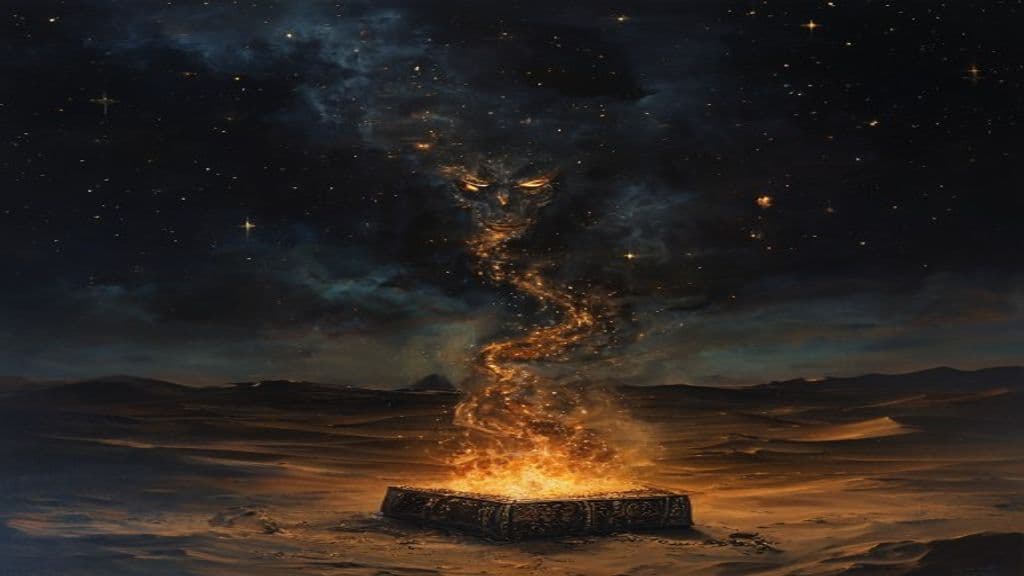
Djinn
The class of supernatural beings created from smokeless fire in Islamic cosmology — a parallel civilization to humanity, capable of belief or unbelief, with their own prophets, society, and judgment before God.
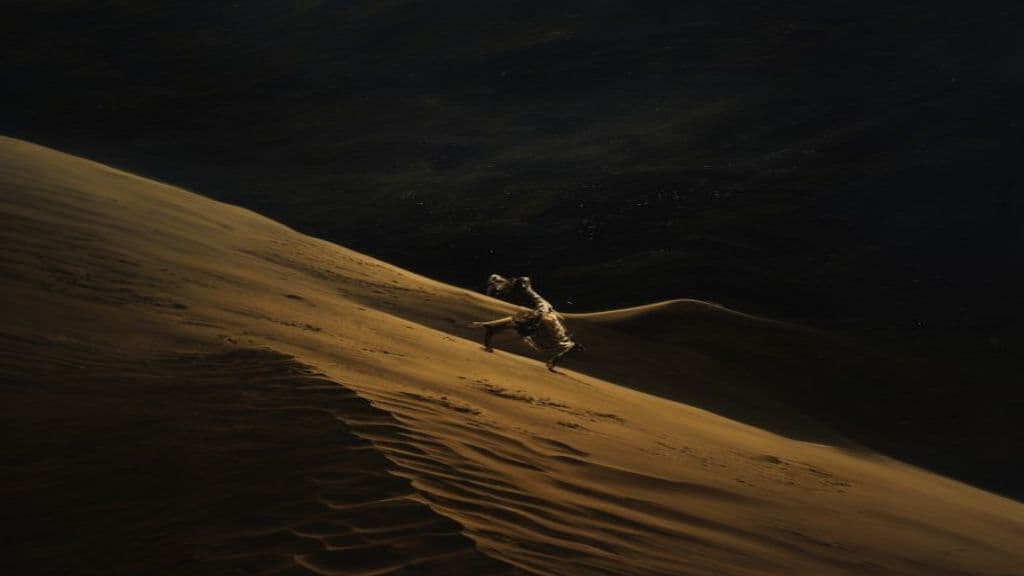
Jann
The weakest class of djinn in Islamic tradition, associated with desert winds and taking the form of snakes or whirlwinds, dwelling in empty wilderness and posing little threat to those who know the proper invocations.
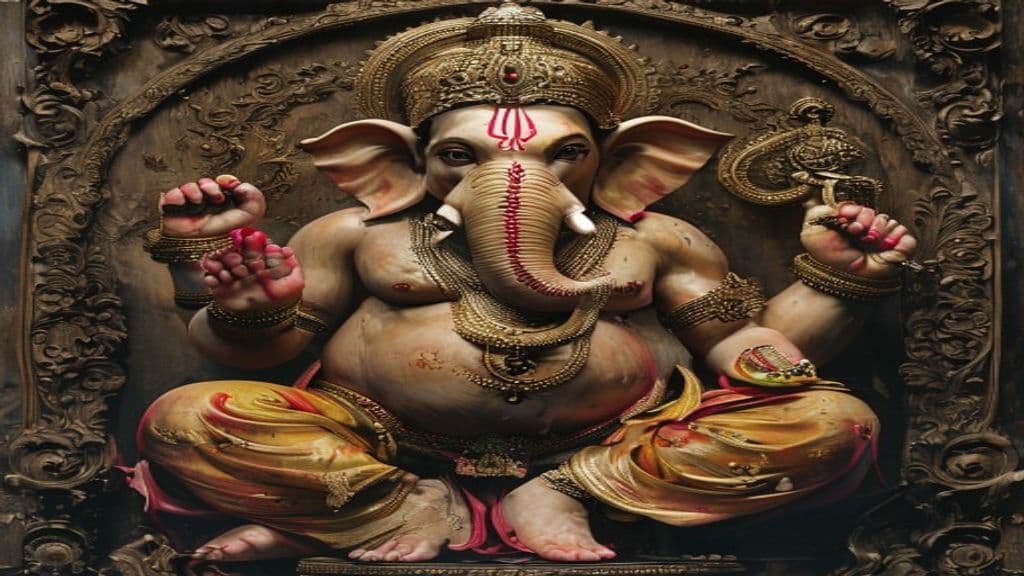
Ganesha
Ganesha (Gaṇeśa), also called Ganapati or Vinayaka, is a widely revered Hindu deity identified by an elephant head who functions as remover of obstacles, patron of arts and learning, and god of beginnings; he is son of Shiva and Parvati and head of the gaṇas in many traditional accounts.
Community Record
- [1]Haridra Ganapati — Wikipedia. Wikipedia, entry 'Haridra Ganapati'.wiki
- [2]Haridra Ganapati Sadhana (Archive item). Archive.org, 'Haridra Ganapati Sadhana' (archival sadhana/advertisement).other
- [3]Series on Hareli Festival in Chhattisgarh, India. Part-556. © Pankaj Oudhia (Archive). Archive.org, series item referencing related regional practice and archival material.other
- [4]Wikidata: Haridra Ganapati. Wikidata entry Q16313458 for Haridra Ganapati.wiki