According to surviving mythographic summaries (principally the account preserved in Apollodorus as reflected in later summaries), Heleus is one of the sons born to Perseus and Andromeda within the Perseid royal house. He is named among Perseus's offspring who inherit and populate the post-Titan heroic landscape of Mycenaean-age kingship. The same tradition records that Heleus accompanied his nephew Amphitryon on an expedition to Taphos and, after the campaign, shared sovereignty with Cephalus. Some local traditions ascribe the foundation and eponymy of the town Helos in Laconia to Heleus.
Ancient mythographic sources that mention Heleus are genealogical and narrative in nature and do not provide a physical description. No surviving texts in the supplied materials record iconography or detailed poetic portrayals of his appearance.
The supplied sources do not ascribe supernatural powers or magical attributes to Heleus. He appears as a mortal princely figure whose recorded activities are political and martial: participation in Amphitryon's expedition to Taphos and the holding of shared sovereignty afterward. No divine agency, sorcery, or extraordinary feats specific to Heleus are attested in the cited materials.

Perseus
Perseus is a legendary hero of ancient Greek myth, a mortal son of Zeus and Danaë famed as a slayer of monsters and founder of the Perseid dynasty; his narrative emphasizes divine intervention (gifts from Hermes, Athena, and Hades), heroic cunning, and eventual placement among the stars as a constellation.

Amphitryon
Amphitryon is a mortal nobleman of Greek mythic-historical tradition: son of Alcaeus of Tiryns, husband of Alcmene, and the acknowledged stepfather of Heracles. He appears in heroic-age narratives as a warrior, dynastic actor, and the human whose identity is impersonated by Zeus in literary treatments that explore paternity and identity.
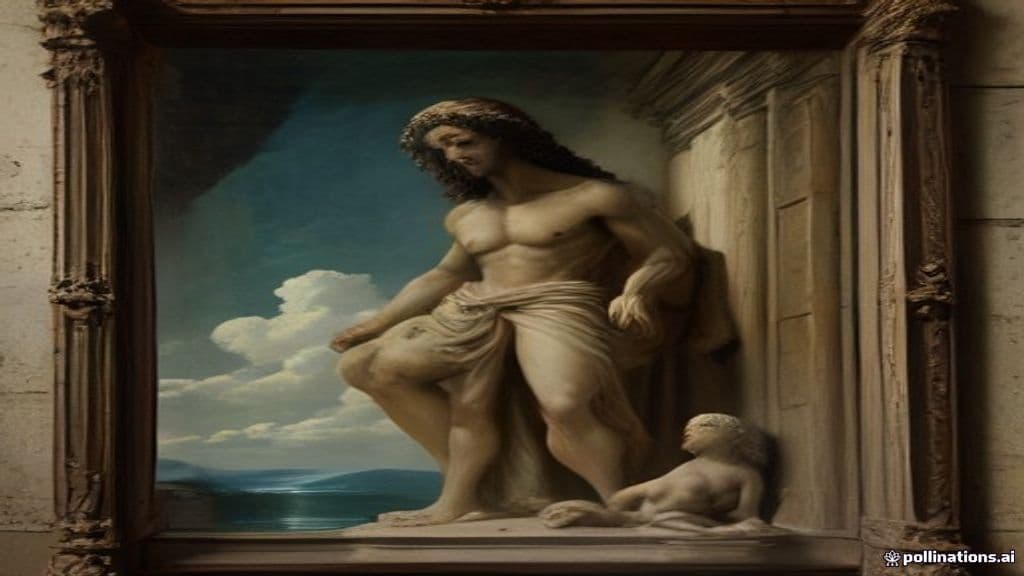
Cephalus
Cephalus (Ancient Greek: Κέφαλος) is an ancient Greek masculine personal name borne by several mythological and literary figures. In surviving sources he appears as a hunter, husband of Procris, a beloved of the dawn-goddess Eos in some traditions, a son in varying genealogies, and as a named interlocutor in Plato's Republic rather than as a class of supernatural being.
Community Record
- [1]Heleus — Wikipedia. Wikipedia contributors, 'Heleus,' Wikipedia, The Free Encyclopedia, https://en.wikipedia.org/wiki/Heleus (accessed via supplied research notes).wiki
- [2]Apollodorus, Library (summary passages as preserved in archival transcripts). Apollodorus, Bibliotheca (as summarized in archival transcript), listing Perseus's sons including Heleus and noting his participation in Amphitryon's expedition and later sharing of sovereignty; cited in supplied archive materials.literary
- [3]Wikidata: Heleus. Wikidata entry Q1705660 for Heleus (used in supplied research notes).other