
Daughter of King Oenomaus of Pisa, Hippodamia's marriage was conditioned on a lethal chariot-contest arranged by her father, who, fearing a prophecy that he would be killed by his son-in-law, required suitors to defeat him in a race. Pelops won the contest (in traditions variously explained by divine horses or the tampering/bribery of Oenomaus' charioteer Myrtilus) and married Hippodamia, through whom rulership of Pisa passed to Pelops' house and from whom descended Atreus and Thyestes.
Ancient sources and the supplied summaries do not record a physical description of Hippodamia (dress, features, age). She is presented in role-terms: princess of Pisa, bride in the chariot-contest narrative, and later queen and mother. Iconographically and narratively she is typically situated in scenes of courtship, chariot-race or marriage and in association with Pelops at the local sanctuary context of Olympia/Pisa, but no specific bodily details are provided in the cited materials.
The sources do not attribute supernatural powers to Hippodamia; she functions primarily as a social and genealogical agent within myth. Her principal 'abilities' are narrative: she is the prize of the chariot-contest arranged by Oenomaus, the wife of Pelops after his victory, and the mother/ancestress through whom the Atreid dynastic line is established. While variants of the tale involve Myrtilus and chariot-tampering as causes of Pelops' success, the provided sources emphasize Pelops' actions and do not ascribe independent magical or prophetic faculties to Hippodamia. She also appears in local cultic memory at Olympia/Pisa, indicating a commemorative or ritual presence rather than supernatural agency.
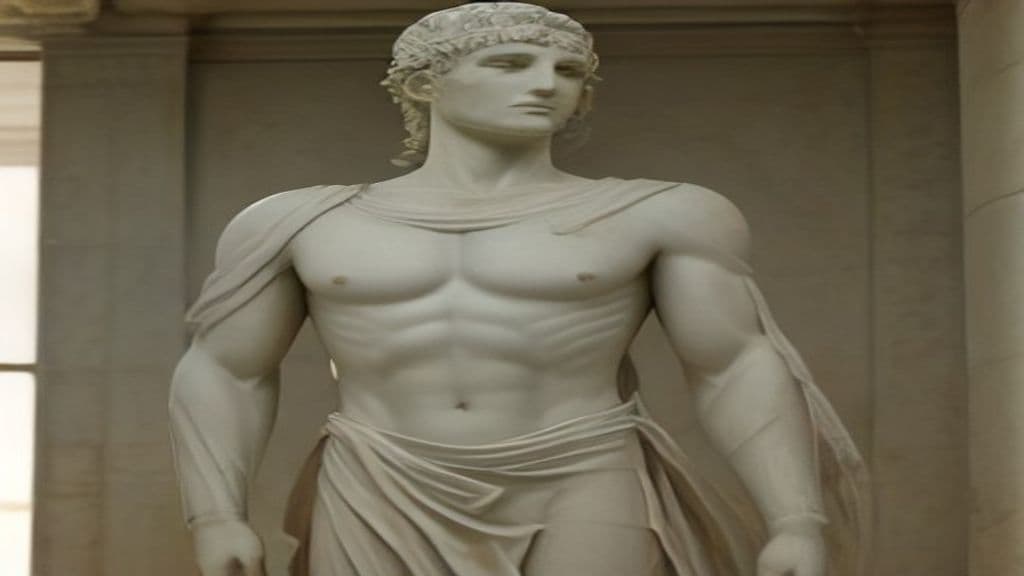
Pelops
Pelops is a mythic heroic-royal figure of ancient Greek tradition, an eponymous founder-ancestor of the Peloponnesus, ruler of Pisa/Olympia, and progenitor of dynasties (notably the House of Atreus). He is both a cult hero venerated at Olympia with chthonic libations and a narrative focal point whose deeds generate a long-lasting familial curse.
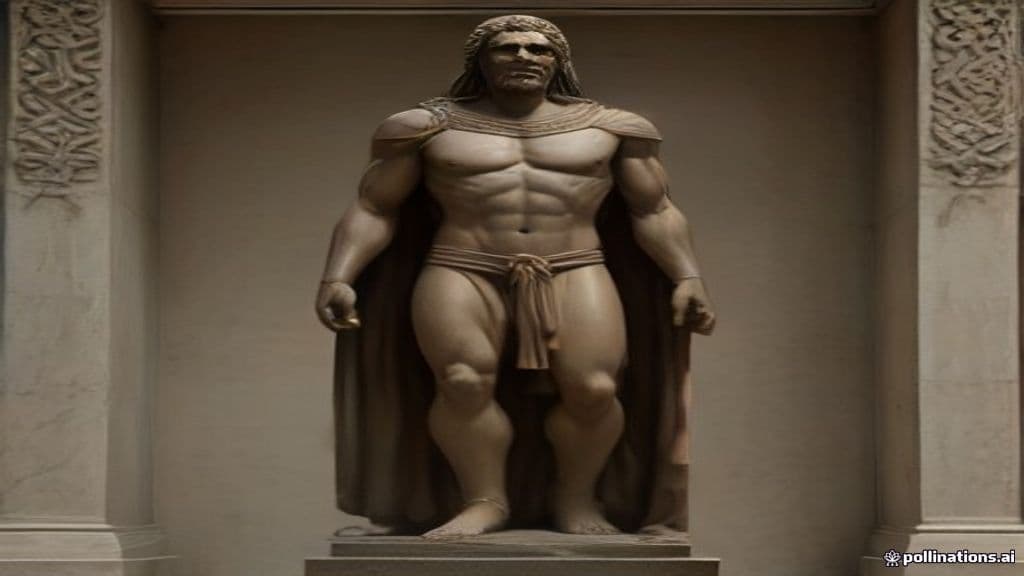
Myrtilus
Myrtilus is a heroic figure in Greek myth, known as the charioteer of King Oenomaus of Pisa and commonly described as a son of Hermes. He sabotaged Oenomaus's chariot, causing the king's death; Pelops then threw Myrtilus into the sea, and the dying charioteer pronounced a curse that, in tradition, haunted Pelops' descendants. His body was said to have been recovered and honored at a sanctuary of Hermes, and local topography and stellar identifications (Myrtoan Sea, a taraxippus at Olympia, and a later association with the constellation Auriga) are recorded as variants.
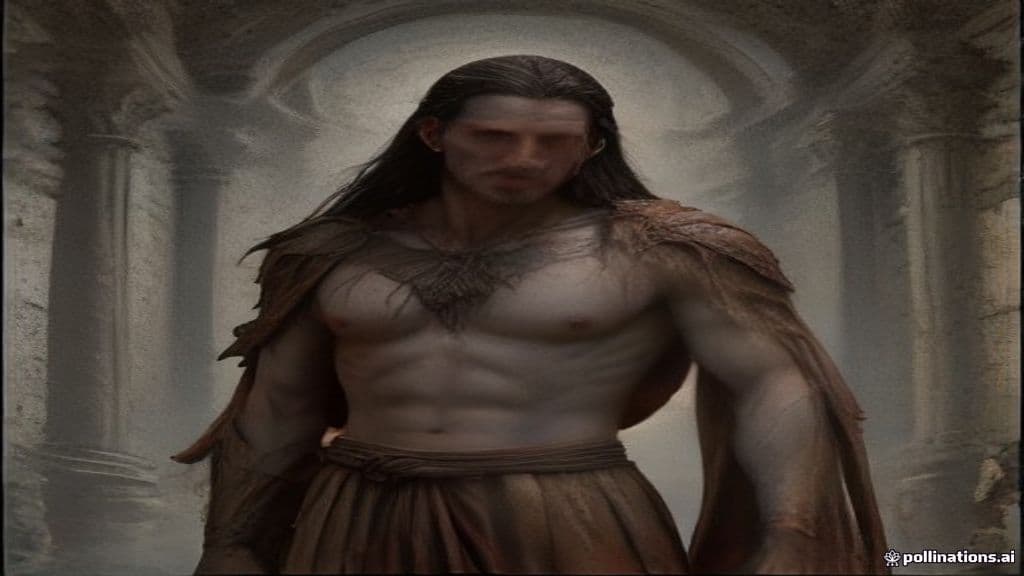
Atreus
Atreus is a legendary king of Mycenae in Greek myth, progenitor of the House of Atreus and father of Agamemnon and Menelaus. Presented as a mortal dynastic figure, his story in the sources revolves around rivalry with his brother Thyestes, contested kingship, and extreme acts of revenge that form part of a multi‑generational cycle of curse and retribution.
Community Record
- [1]Hippodamia (daughter of Oenomaus) — Wikipedia. Wikipedia: 'Hippodamia was a Greek mythological figure, the daughter of Oenomaus... wife of Pelops, appearing with Pelops at a potential cult site in Ancient Olympia.'wiki
- [2]Pelops — Wikipedia. Wikipedia summaries of Pelops' marriage to Hippodamia and descent of Atreus and Thyestes.wiki
- [3]Mycenae – Mythoi Koinoi (Pressbooks chapter). Overview of Pelops cycle and dynastic implications linking Hippodamia to the Atreid house.other
- [4]Star Tales – Auriga (discussion including Myrtilus identification). Discussion noting identification of Auriga with Myrtilus and linking the charioteer to the Oenomaus/Pelops/Hippodamia narrative.other
- [5]Local entries on Pisa (contextual location pages). Location and cultic context placing Hippodamia in Pisa/Olympia.other