Primary attestations of Hippolytus derive from literary and dramatic sources: he is presented as a son of Theseus whose chastity and refusal of illicit sexual advances provoke the central conflict involving Phaedra and Theseus. The surviving tragedy Hippolytus by Euripides, produced at the City Dionysia in Athens in 428 BC and awarded first prize, is the clearest extant literary source shaping the character's narrative. Lost and later treatments by Sophocles (Phaedra), Seneca (Phaedra/Hippolytus), and later dramatists and artists (Racine's Phèdre, operas, ballets, and modern adaptations) carry forward and reshape the mythic material. The figure appears in the genealogical-historical frame of the Athenian heroic cycle rather than as a cultic supernatural being.
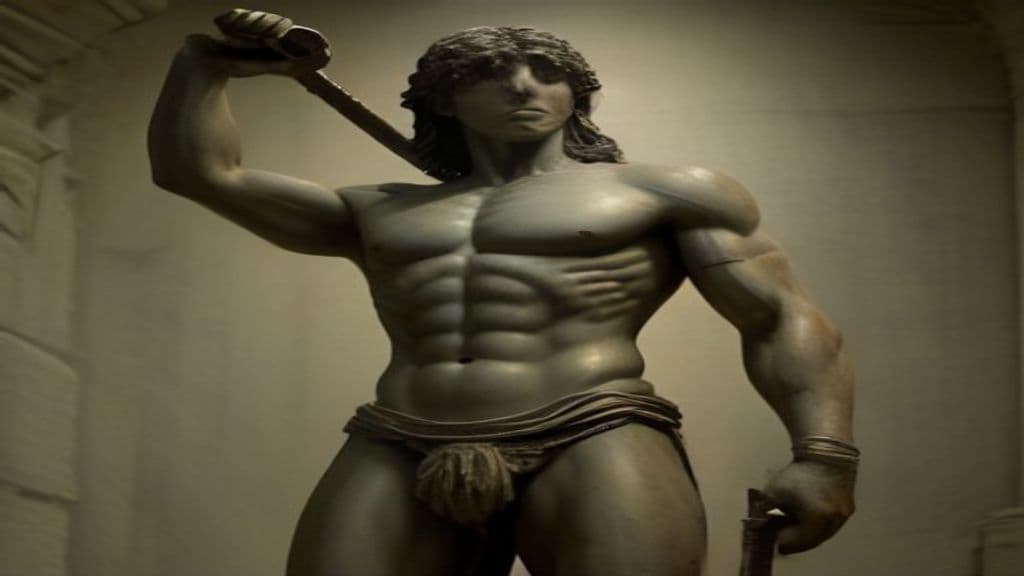
The supplied sources do not provide a fixed iconographic portrait; descriptions of Hippolytus are literary and thematic rather than detailed physical inventories. Dramatic treatments emphasize his youth, chastity, and social role as the son of Theseus. In the theatrical and critical tradition he is often evoked as a young, virginal male devotee of chastity (frequently associated with Artemis in interpretive accounts) and as a hunter-like or horsemasterly youth whose purity and refusal of sexual advances mark him as distinct within the plays. Surviving summaries and reviews foreground these character markers rather than concrete physical features.
Hippolytus possesses no supernatural powers in the provided material; he is a mortal hero. His defining attributes in the mythic-dramatic tradition are moral and behavioral: pronounced chastity or devotion to sexual restraint, strict personal honor, and skills conventionally associated with heroic youth (in some treatments implied horsemanship or hunting prowess). These human qualities drive the plot—his refusal of Phaedra's desire (or the appearance thereof) and adherence to vows or honor precipitate the false accusation and his subsequent death, events that reveal the vulnerability of mortals to divine or familial wrath in Greek tragedy.
Weaknesses
- conditionmortal vulnerability (no divine protection)
- otherrigid chastity/honor-bound behavior (narrative weakness that provokes conflict)
Wards
None recorded.
Community Record
- [1]Hippolytus (play) - Wikipedia. Wikipedia, 'Hippolytus (play)'wiki
- [2]Hippolytus - Wikipedia (disambiguation / mythology entry). Wikipedia, 'Hippolytus'wiki
- [3]Greek Studies: a Series of Essays (contains 'Hippolytus veiled: a study from Euripides'). Walter Pater, 'Hippolytus veiled: a study from Euripides', in Greek Studies: a Series of Essaysliterary
- [4]Phaedra (Sophocles play) - Wikipedia. Wikipedia, 'Phaedra (Sophocles play)'wiki
- [5]Modern review referencing Hippolytus' fate. TheArtsDesk review, referencing 'Hippolytus, slain to save her reputation as Theseus bride'other