
Sources present the hākuturi as a multitudinous class of forest-attending beings connected to Tāne, the god of the forest and ancestor of birds. They are described in tradition as the host or myriads of Hakuturi (Te Tini o Hakuturi). Rather than a single founding narrative, their role is demonstrated in episodes such as the Rātā story: when Rātā felled a tree without performing the proper incantations and rituals, the hākuturi re-erected the tree to rebuke him, and after he showed remorse they felled it again and made it into a canoe for him in one night.
Accounts describe the hākuturi as a multitude of small beings often regarded as birds or birdlike; some local traditions identify particular small native birds (for example, whitehead) with the hakuturi. Sources emphasize their multitudinous, host-like nature rather than a single anthropomorphic form. Regional stories and modern representations vary, but the birdlike/multitude imagery is recurrent in the cited material.
The hākuturi act as custodial agents of the forest: they avenge desecration of the forest's sacredness, rebuke humans who cut trees without proper ritual observance (for example by re-erecting felled trees), and can restore or perform repair when human penitence is shown (as when they felled and carved a canoe for Rātā overnight). Their agency is collective and responsive to human ritual behaviour; some sources present them as offspring or agents of Tāne, placing their actions within Tāne's guardianship of the forest and birds.
Weaknesses
None recorded.
Wards
- ritualperformance of proper incantations and rituals (karakia) before felling trees
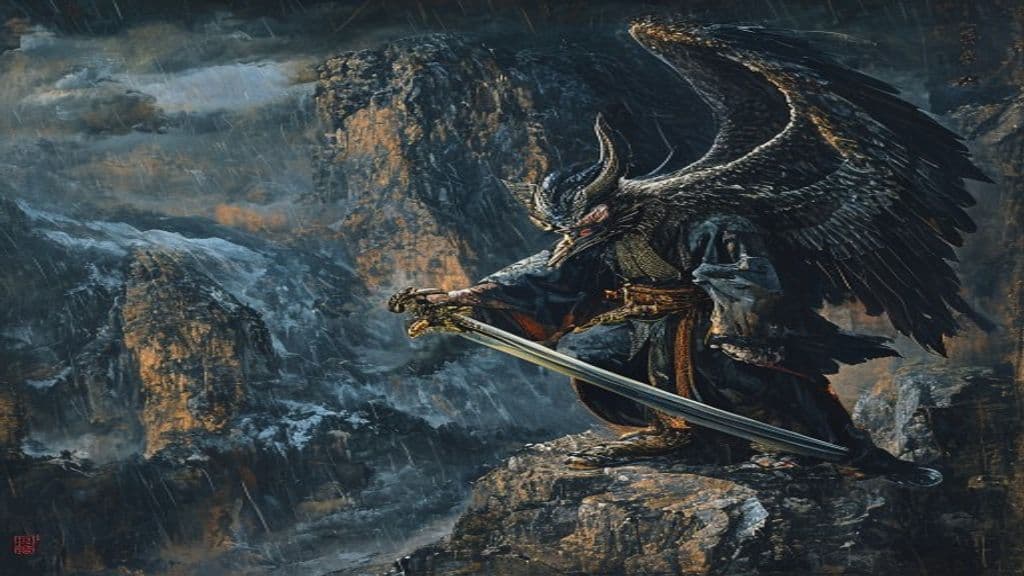
Tengu
Proud, warrior-like mountain spirits of Japan, associated with martial arts, pride, and the wild mountains. Neither fully good nor evil — they test and train warriors and monks, but punish the arrogant.
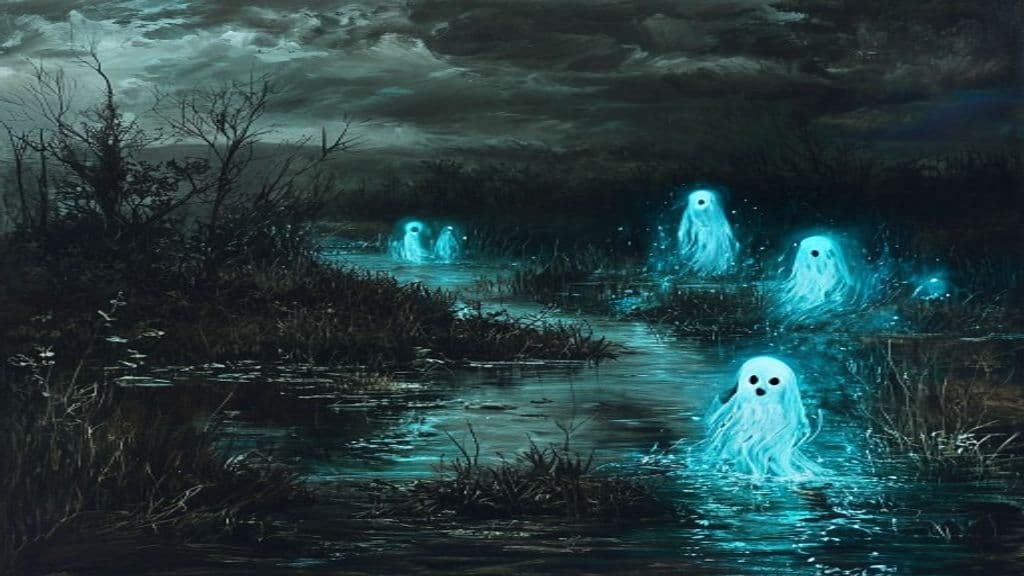
Will-o'-the-Wisp
A wandering light seen over marshy ground at night, leading travellers astray into bogs and fens. Possibly a spirit, possibly the soul of the unbaptised dead, possibly the devil himself.
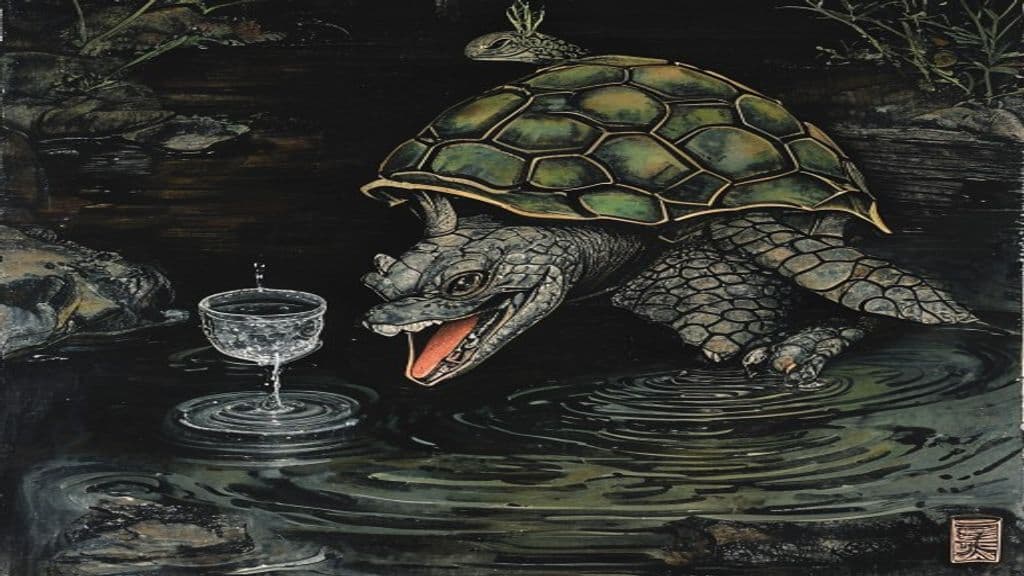
Kappa
A water-dwelling imp of Japanese folklore with a bowl of water on its head. Mischievous but bound by strict codes of politeness; dangerous near rivers.
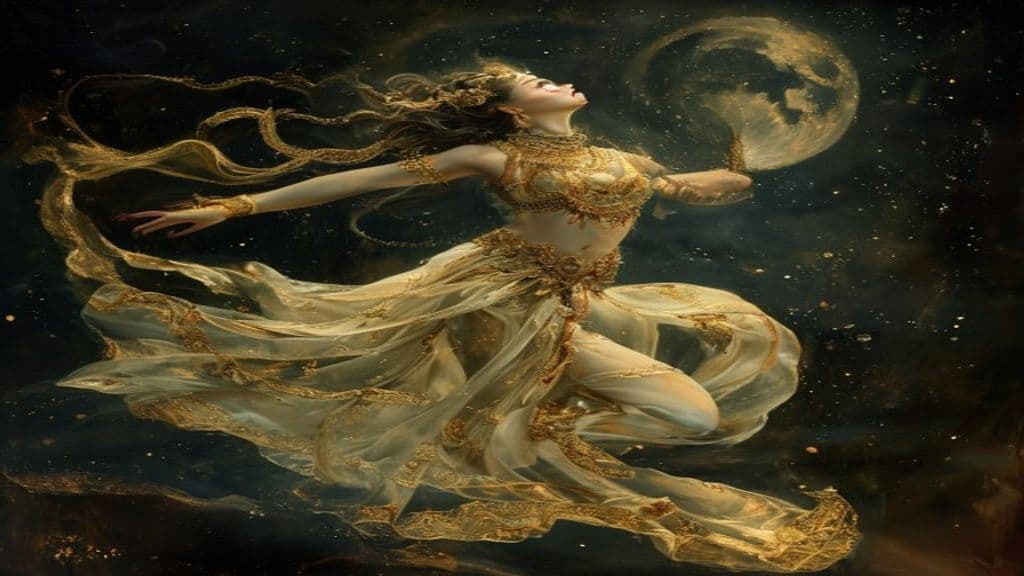
Apsara
Celestial dancers and water nymphs of Hindu cosmology — beautiful semi-divine beings who dance at the court of Indra and, by his command, descend to earth to distract sages from excessive asceticism.
Community Record
- [1]Hākuturi. Wikipedia: Hākuturiwiki
- [2]Rātā (Māori mythology). Wikipedia: Rātā (Māori mythology)wiki
- [3]Hakuturi | Facts, Information, and Mythology. Pantheon entry on Hakuturiother
- [4]Te Tini o Hakuturi – Waikato Students Union. Waikato Students Union: Te Tini o Hakuturiother
- [5]Obscure Life-Forms: Hakuturi. Obscure Life-Forms entry on Hakuturiother
- [6]Blather.net Abroad (December 2007). Blather.net: Abroad (December 2007)other
- [7]Tau - Te Aka Māori Dictionary. Te Aka Māori Dictionary: tau (example phrase citing Te Tini o te Hakuturi)other