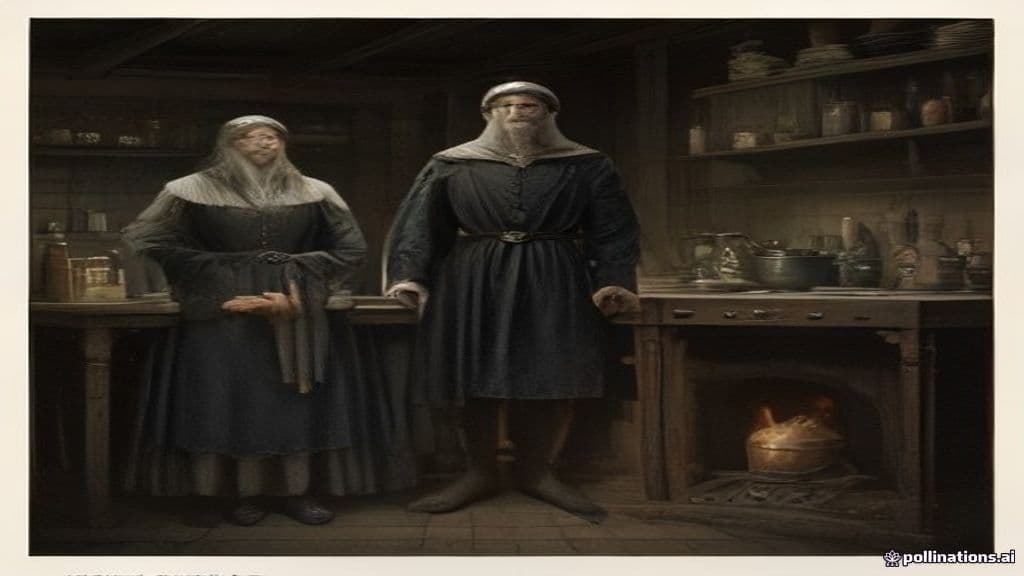
The hob belongs to the wider class of small domestic supernatural beings in northern British and Germanic‑derived folk traditions (a tradition shared with brownies and related household spirits). It appears both as a generic category ('a hob') and as personalized, locally anchored individuals (such as an 'Old Hob' or the Hob of Runswick Bay), reflecting a cosmology of many local, named presences tied to specific households or landscape features rather than a single canonical origin.
Sources emphasize the hob's role and behaviours rather than a single, consistent physical description. Regional accounts and summaries treat the hob as a small domestic spirit living close to the household or in named local hollows or caves called 'hob‑holes' (for example, the Hob at Runswick Bay). The provided materials do not record a canonical visual form, and descriptions of appearance are therefore uncertain in the cited sources.
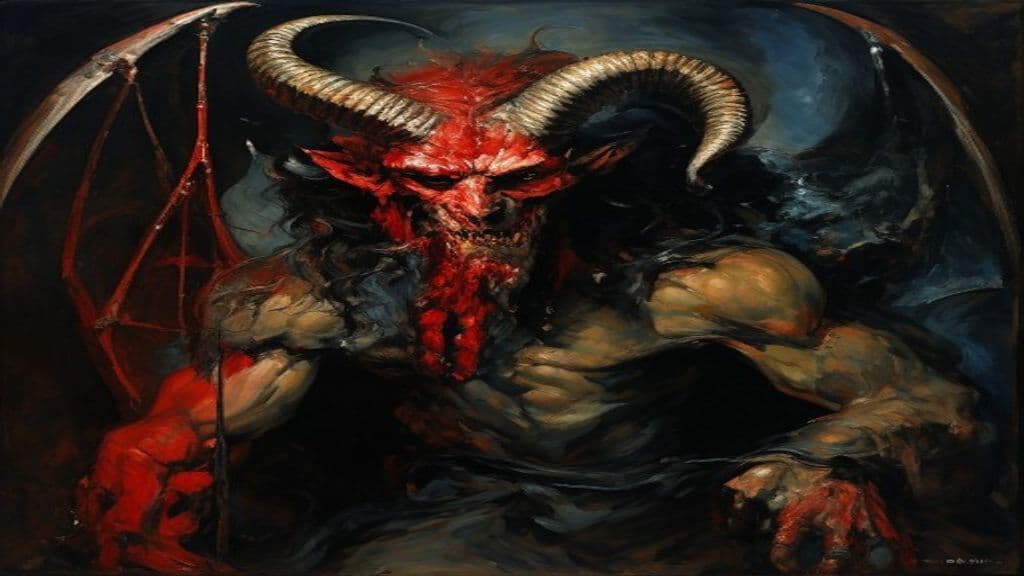
Hobs perform domestic and occupational assistance — helping with farm work and with healing needs of local people — and are integrated into a reciprocal domestic economy in which gifts and hospitality maintain goodwill. They are placated by food offerings and can be offended by certain gifts (notably clothing), which in folklore causes them to depart. Hobs are described as kindly and generally less mischievous than other regional spirits (e.g., the Cauld Lad). The name 'Old Hob' is also attested in broader English usage as a nickname sometimes applied to the Devil, showing terminological fluidity in folk vocabulary.
Weaknesses
- conditionOffended by being given clothes (folkloric motif causing departure)
Wards
- ritualOngoing reciprocal hospitality (regular food offerings)
Community Record
- [1]Hob (folklore) — Wikipedia. Wikipedia: Hob (folklore) — entry describing hob as northern English household spirit; clothes motif and rhymes noted.wiki
- [2]Brownie (folklore) — Wikipedia. Brownie (folklore) entry noting a Hob in Runswick Bay living in a natural cave known as the 'Hob‑Hole' and cross‑reference with household spirit traditions.wiki
- [3]Folklore in Mandrake (Failbetter Games). Failbetter Games commentary noting hob as 'less mischievous than the Cauld Lad' and advising keeping him friendly with occasional gifts of food.other
- [4]Tireless Hob — Ronel the Mythmaker. Summary referencing Patricia Monaghan and noting the hob as a kindly northern Britain spirit helpful in healing and farm work.folk
- [5]Monkeyfilter link (name variants / etymology note). Notes connecting 'Hob' to vernacular name variants such as Hobbe, Hodge, indicating both proper-name and type‑name usage in folk contexts.other