
Comparative surveys presented in the sources frame household deities as deriving from animistic or ancestor-focused practices and domestic cults rather than from high cosmological powers. Scholars cited in survey material (drawing on classical anthropological models such as Tylor and Durkheim in the secondary literature summarized by reference works) have long argued that private household cults can be survivals or transformations of ancestor-worship, totemic/animistic ties to place, or locally venerated protective powers. Specific cultural genealogies are given as case examples: Roman lares and the lararium represent an organized private cult integrated into family ritual; Shinto practice demonstrates a kinship-linked process in which a shrine records a child as an ujiko and ancestral ujiko may become a family kami (ujigami); folkloric house-spirits in Slavic, Germanic, and British traditions are treated in the literature as localized continuations of similar domestic religious concerns.
The sources emphasize variety rather than a single fixed form. Across cultures household deities were commonly represented inside the home by small idols, reliefs, amulets, paintings or other images (for example Roman lararia and biblical teraphim; the Egyptian protective goddess Tawaret appears on domestic objects). In many folk contexts these beings are described by tradition as small humanoid or fairy-like household spirits (examples named in surveys include domovoy, brownie, kobold, nisse/tomte/tonttu), but the provided comparative sources do not supply consistent, detailed physical descriptions applicable to the entire category. Thus appearance is often culture-specific and expressed through material representations kept in the household.
Across the surveyed traditions household deities exercise immediate, practical influence on domestic life: they protect the home and certain members, are sustained by regular offerings and shrine care, and are treated as part of the family with reciprocal obligations. Roman practice shows formalized domestic cult (lares worshiped at the lararium and invited to household meals); Shinto exemplifies kin-linked continuity where a living registration (ujiko) and later ancestral veneration (ujigami) embed protective responsibilities in household religion. Comparative sources note that such beings can persist under religious change, being reinterpreted or syncretized (for example domestic protective roles taken on by saints or other religious figures in Christianized contexts). The sources do not provide a universal catalogue of magical powers (e.g., precise charms or standardized miracles) but emphasize the local, ongoing, and reciprocal nature of their influence.
Weaknesses
- conditionneglect or failure of household cult/offerings
Wards
- ritualmaintenance of household shrine (lararium)
- ritualregular offerings and inclusion in family meals
- ritualkinship/registration practices that bind family to shrine (Shinto ujiko/ujigami registration)
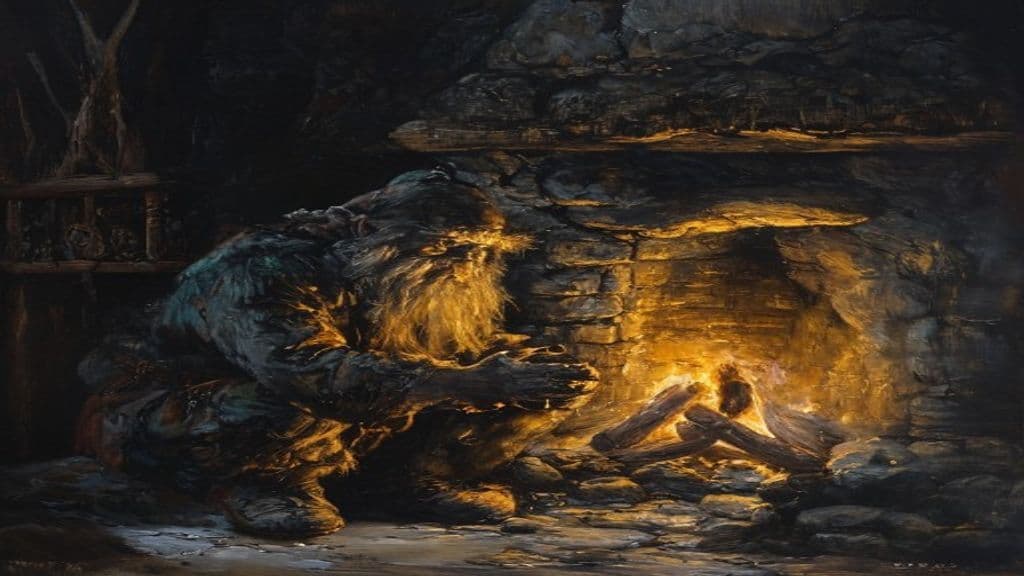
Domovoi
The house spirit of Slavic tradition — a small, invisible guardian of the home bound to a specific dwelling and its family. Protective when respected; dangerous when insulted or forgotten.
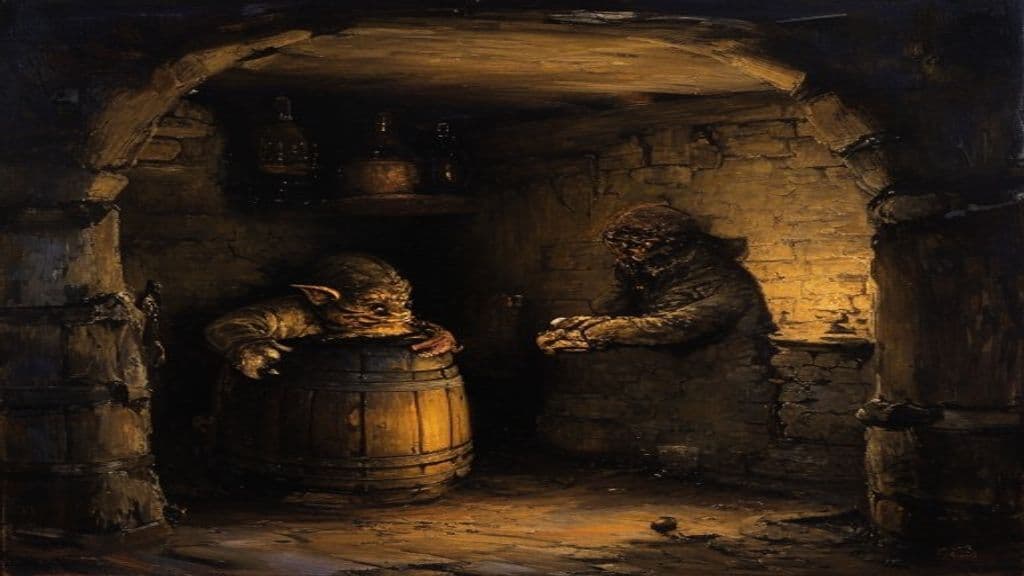
Kobold
The German household and mine spirit — a mischievous but potentially helpful small being who attaches to a household, bringing luck or disaster depending on how it is treated.

Nisse (tomte / tomtenisse / tonttu)
A Scandinavian household and farmstead spirit tied to a particular homestead; a small, human‑like custodian who performs chores, protects livestock and property in return for annual ritual food offerings (notably Yule porridge), and who can become dangerous if offended or neglected.
Community Record
- [1]Household deity. Wikipedia: Household deitywiki
- [2]Household worship - NovaRoma. NovaRoma: Household worshipother
- [3]Lares and the evolution of household deities in Europe - Fabrizio Musacchio. Fabrizio Musacchio, 'Lares and the evolution of household deities in Europe'other
- [4]Household Deity | Monster Wiki | Fandom. Monster Wiki (Fandom): Household Deitywiki
- [5]The Household Deity (blog). CorreresmiDestino blog: The Household Deityother
- [6]Ahom religion. Wikipedia: Ahom religion (note referencing household/ancestral elements)wiki