
No single canonical origin is given across sources; the corpus records multiple, regionally variant origin accounts reflecting syncretism. Some strands treat huldufólk as continuations or euphemistic renamings of Old Norse álfar; other narratives interpret them through Christianized frames (e.g., connections to hidden children of Eve, Lilith, or fallen angels). Scholarly commentary also describes a blending of Norse and Celtic settler beliefs (e.g., Norse álfar and Irish hill‑fairies) that produced the later huldufólk concepts.
Generally reported to look and behave much like humans and often described in human terms; they inhabit nature and may dwell in mounds, rocks, mountains, forests, or water. Regional specifics vary: a 19th‑century Icelandic account claimed a convex philtrum as a distinguishing trait, while Faroese folktales describe them as large in build, wearing grey clothes with black hair. Their defining feature in many sources is the capacity for concealment — they inhabit a parallel unseen world and can make themselves visible at will.
Huldufólk are place‑bound personlike beings who can interact with humans, negotiate or retaliate when their sites are disturbed, and control visibility (appearing or remaining hidden at will). Folktales depict a range of temperaments across the category—some hidden people assist or side with humans, others punish offenders or defend landscapes. Traditions emphasize avoidance, respect, and offerings rather than formulaic magical combat; there is no documented, uniform corpus of protective or exorcistic rites in the supplied sources.
Weaknesses
- conditionavoidance/not provoking them
Wards
- ritualplace‑respect and landscape protection
- rituallinguistic euphemism (using huldufólk rather than naming álfar)
- otherleaving food/offerings (customary maintenance of good relations)
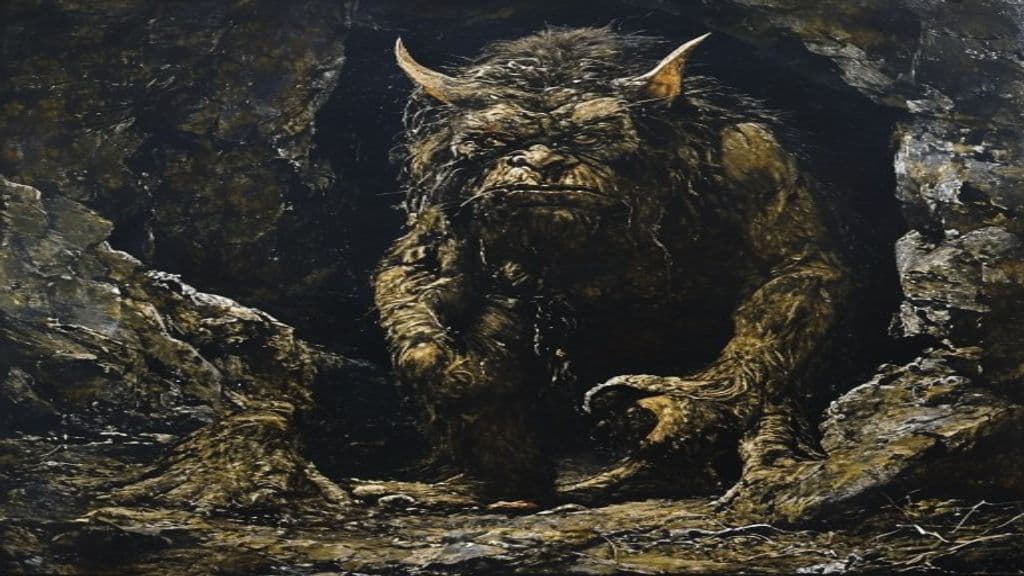
Troll (Germanic Tradition)
In Germanic folklore, a troll is a being that dwells in isolated areas of rocks, mountains, or caves, living together in small family units and rarely interacting with humans. (Note: - Power tier should be changed from Primordial to Ancient (trolls' origins from primordial forces don't necessarily imply cosmic-level power). - Ability description is not entirely accurate; it's stat)

Nisse (tomte / tomtenisse / tonttu)
A Scandinavian household and farmstead spirit tied to a particular homestead; a small, human‑like custodian who performs chores, protects livestock and property in return for annual ritual food offerings (notably Yule porridge), and who can become dangerous if offended or neglected.

Draugr
In Nordic folklore the draugr (plural draugar; anglicized draug) is an archaic term for a malevolent revenant — a dead person who returns and remains active in the world of the living. Accounts emphasize variability: traits, behaviours, and descriptions change between stories and across regions, especially in early medieval Icelandic sagas and surviving Norwegian folklore.
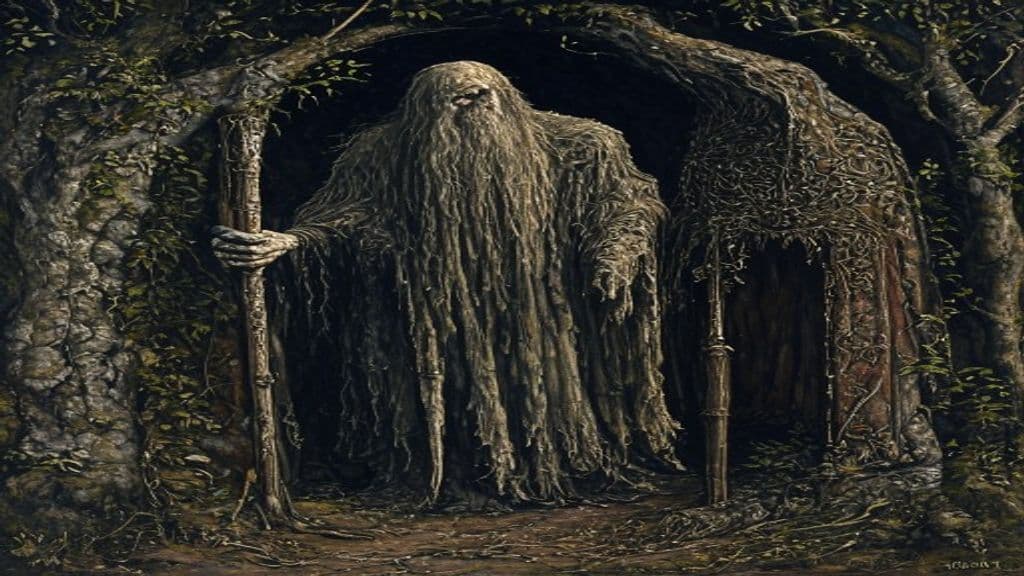
Wight
A Germanic-language term historically meaning 'being' or 'creature' that, across Old English and Old Norse usage, covers ordinary created beings as well as a range of supernatural local spirits (e.g., land- and household- vættir). In later medieval and modern contexts the term's range shifted and in modern fantasy it has been narrowed by authors to denote specific undead creatures.
Community Record
- [1]Huldufólk (Wikipedia). Wikipedia, article 'Huldufólk'.wiki
- [2]Wikidata: huldufólk. Wikidata entry Q2457508.wiki
- [3]Huldufólk 102 (documentary / media reference). Documentary title referenced in supplied materials.other
- [4]Guide to Iceland: Icelandic Elves: A Guide to the Huldufolk. Guide to Iceland, 'Icelandic Elves: A Guide to the Huldufolk'.other
- [5]Elves in Distress: Icelandic Huldufólk Legends in Light of Nineteenth-Century Internal Migration. Arv journal article abstract on contemporary huldufólk legends and migration.academic
- [6]FATEMAG: The Presence Of Elves / Iceland's Obsession With Elves. FATEMAG cultural pieces on contemporary Icelandic belief and practice.other
- [7]Archive: Huldúfolk, Il Popolo Nascosto.mp 4. Archive recording/documentary material titled 'Huldúfolk, Il Popolo Nascosto'.other