No mythic birth narrative or cosmogonic origin for Ištaran is preserved in the supplied sources. Textual attestations present him as the local god of Der from the Early Dynastic period onward; his cult flourished through the Middle Babylonian period, after which his name is no longer regularly attested in the provided materials.
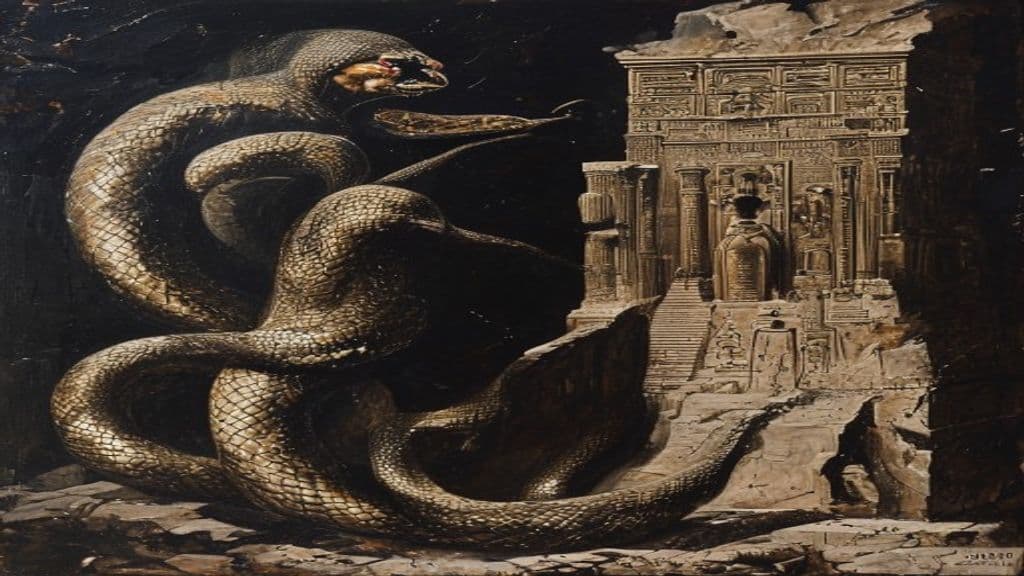
Sources associate Ištaran with serpents and with the snake god Nirah. It is stated in the sources that he may have been depicted partially or fully in serpentine form, but definitive, detailed iconographic descriptions are not preserved in the supplied material.
Textual evidence explicitly describes Ištaran as a divine judge and as the tutelary deity of the city of Der; local rulers of Der could be regarded as his representatives after the city's independence following the Ur III period. The political importance of his cult is illustrated by multiple recorded instances in which Assyrians carried away Ištaran's statue to secure Der's loyalty. Beyond these civic and judicial roles and snake associations, the sources supplied do not attest additional powers or behaviors.
Weaknesses
- otherNo weaknesses attested in supplied sources
Wards
- otherNo wards or protective practices against Ištaran are attested in the supplied sources
Community Record
- [1]Ištaran - Wikipedia. Wikipedia contributors, "Ištaran," Wikipedia, The Free Encyclopedia.wiki
- [2]Ištaran - Ancient Near East. AncientNearEast.net, "Ištaran."other
- [3]Der (Sumer) - Wikipedia. Wikipedia contributors, "Der (Sumer)," Wikipedia, The Free Encyclopedia.wiki
- [4]Wikidata: Ištaran. Wikidata entry Q2756466, "Ištaran."other