The cultural identity of the jackal in these traditions arises from its ecological and behavioral presence at the margins of human settlement and its vocal habit: the English name derives via French and Ottoman Turkish from Persian shaghāl and ultimately the Sanskrit śṛgāla-, glossed as 'the howler.' In religious and narrative traditions this liminal animal is incorporated into mythic roles — modeled in funerary iconography (the canine-headed Anubis in Egyptian contexts) and invoked in fable cycles (Panchatantra) and ritual embodiments (Bengali tantrik associations with Kali) — rather than described as a single unified origin deity in the provided sources.
Folkloric descriptions align with the animal form: a medium-sized wild canid, doglike in head and body, frequently imagined at ruins and on the edges of habitation. In iconography the jackal form is sometimes rendered as a generic 'dog-headed' figure (as with Anubis in ancient sources), and texts note uncertainty about the precise species represented in art (golden jackal, fox, or Ethiopian wolf). The jackal's nocturnal/crepuscular presence and scavenging association are emphasized in literary imagery.
Sources attribute no consistent set of supernatural powers to the jackal; rather, its abilities are symbolic and role-based. In narrative it functions as wily and wise (Panchatantra trickster/adviser); in Bengali tantric materials jackals are said to represent or appear as the goddess Kali when meat is offered, implying a ritualized manifestation; in funerary and biblical imagery the jackal is a denizen of ruins and a marker of desolation. Natural behaviors (scavenging, crepuscular activity, territoriality) inform these symbolic roles in the sources.
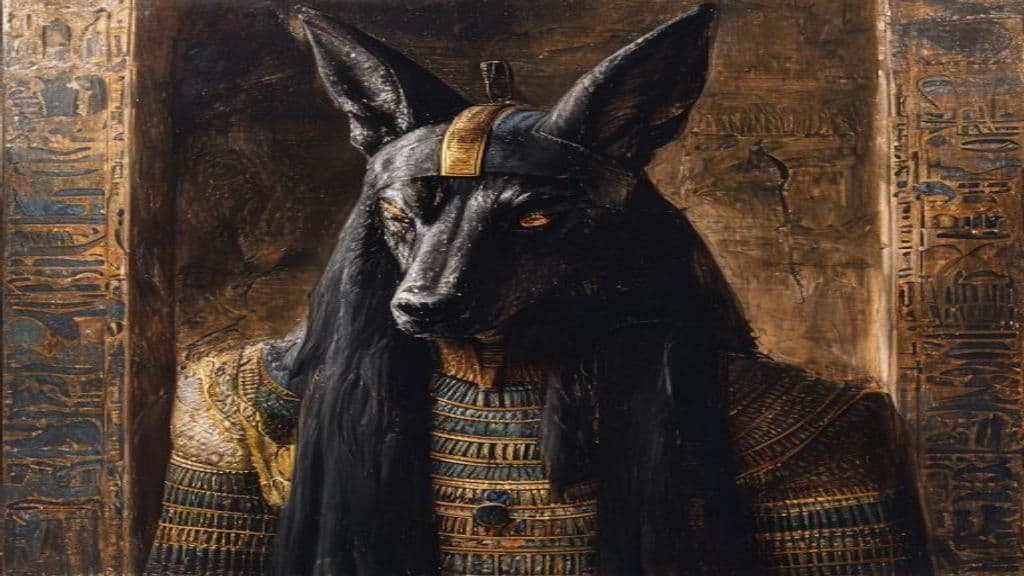
Anubis
Anubis is the ancient Egyptian funerary deity associated with embalming, protection of graves, and guiding the dead into the afterlife. Depicted as a canine or a man with a canine head and shown in black, he presides over mortuary rites and attends the judgment of the deceased, though he is not the central subject of many major myths.
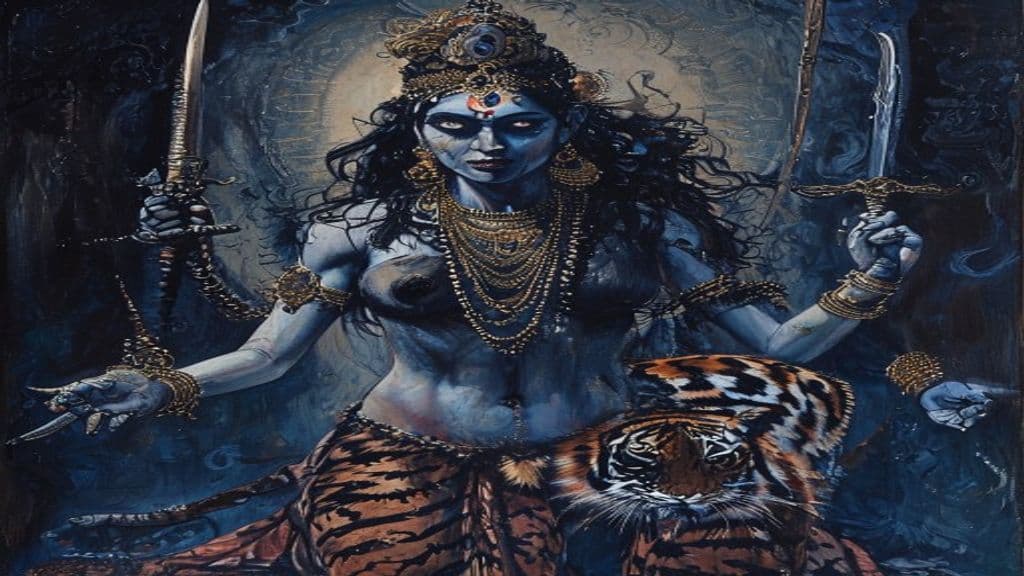
Kali
Kali is a major Hindu goddess associated with time (kāla), death, destruction, and also with liberating knowledge; she appears in Puranic and Tantric texts as a fierce battlefield power and as a protective Divine Mother (Kali Mātā).
Community Record
- [1]Jackal — Wikipedia. Wikipedia, 'Jackal' article (etymology, cultural associations, species summaries, Anubis discussion)wiki
- [2]Wikidata: Jackal. Wikidata entry for 'Jackal' (identifier and linked data)other
- [3]Archive item: ELEKTRODOS. New songs and DJ Set from Amper Clap. Archive.org item listed among collected materials (metadata reference only)other
- [4]Archive item: The Witcher School of the Jackal Steel Sword Fan Concept Art. Archive.org item listed among collected materials (metadata reference only)other