Sources link the personal name Jenny/Jinny to regional storytelling practices and linguistically relate the epithet Greenteeth to older names for similar water‑beings (grindylow, forms recorded as 'Grendith' or 'Grinteeth'). The figure appears in local oral and literary sources in northwestern and northern England as a personification of treacherous pond surfaces and drowning risk; in at least one 19th‑century poetic/musical text she is described as a 'goddess of death' in Lancashire folklore. The material supports a likely linguistic and typological derivation from older river‑hag traditions rather than a single authored origin.
Traditional descriptions portray her as green‑skinned with long, dripping hair and sharp, conspicuous teeth; the name 'Greenteeth' evokes algae and pondweed associated with stagnant water. Literary and modern retellings supply variant details (for example, 'teeth like a shark's but green', 'dripping green hair like waterweed', or large round/piercing eyes) but such features are more characteristic of later literary or variant formulations rather than a unified core description.
Across sources her principal ability is physical predation at water's edge: luring, seizing, and drowning children or the elderly. The figure also functions conceptually to explain how a misleading mat of duckweed or pondweed can hide deep or treacherous water. Comparative references in sources note analogous powers (singing, enticement, change of form) in other cultures' water‑beings (e.g., Storm Hag, Qallupilluit, rusalka, kappa), but the supplied English tradition does not reliably ascribe shape‑changing or sonic sorcery to Jenny herself — those details belong to variants or analogues.
Weaknesses
- otherno documented supernatural vulnerabilities
- conditionpractical exposure — the figure functions primarily as a hazard personification (its 'weakness' is that storytelling and avoidance remove its efficacy)
Wards
- othernarrative warning / cautionary storytelling
- otherlandscape literacy: recognition of duckweed/pondweed as treacherous
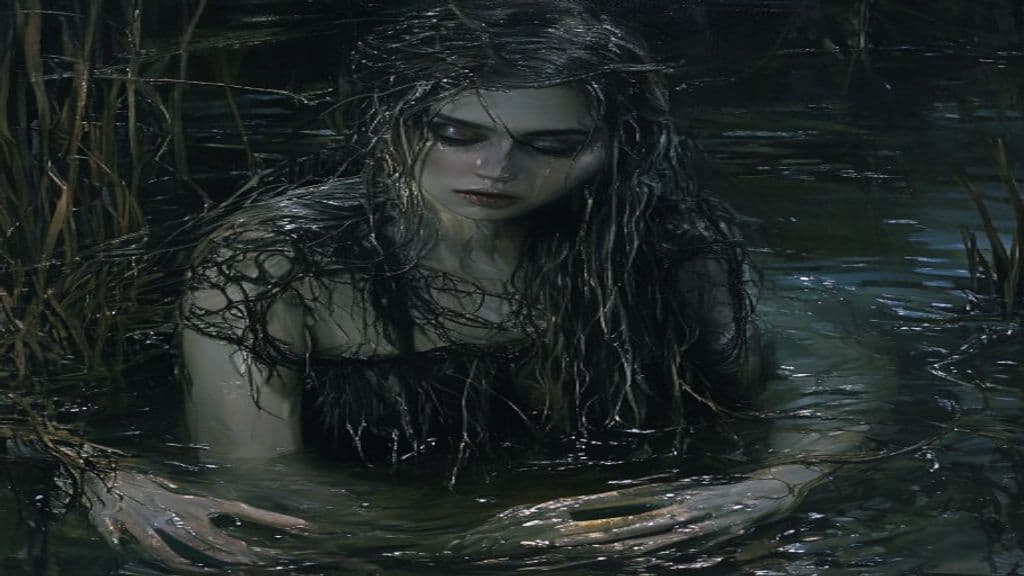
Rusalka
Water spirits in Slavic folklore — the spirits of young women who died by drowning or suicide, bound to rivers and lakes. Beautiful and dangerous, they can bewitch men to their deaths.
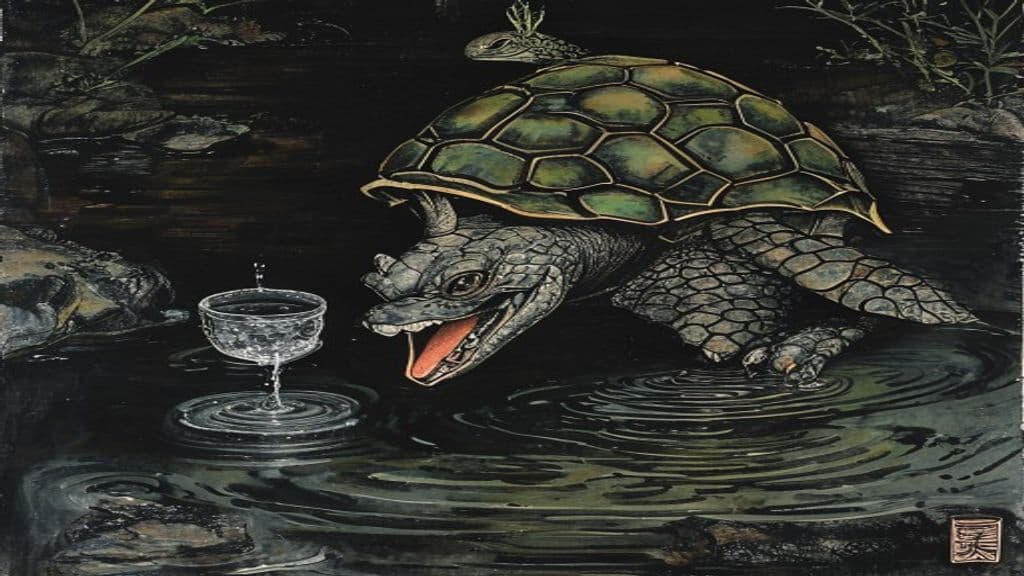
Kappa
A water-dwelling imp of Japanese folklore with a bowl of water on its head. Mischievous but bound by strict codes of politeness; dangerous near rivers.
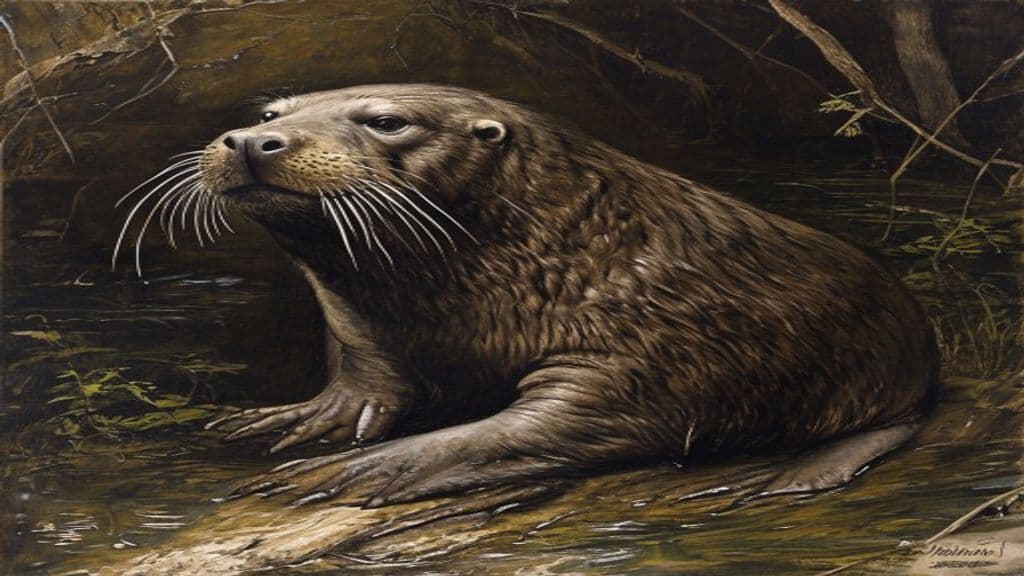
Bunyip
A class of Aboriginal Australian water-being from southeastern Australia associated with swamps, billabongs, creeks, riverbeds and waterholes. Bunyip stories warn people away from dangerous waters and in some traditions enforce resource-use norms and child safety.

Qallupilluit
A shoreline-dwelling supernatural being in Inuit oral tradition that inhabits the liminal space between sea and ice. Presented primarily as a cautionary figure, the Qallupilluit lures and steals children who approach hazardous sea-ice edges.
Community Record
- [1]Jenny Greenteeth. Wikipedia: 'Jenny Greenteeth' articlewiki
- [2]Jenny Greenteeth (Wikidata). Wikidata entry Q1512208other
- [3]Jenny Greenteeth (archive recording and page). Archive.org collection 'Jenny Greenteeth' (2008)folk
- [4]Avak Avakyan — Hymn to Jenny Greenteeth (archive entry). Archive.org description citing John Higson noting 'a name of goddess of death in Lancashire’s folklore'folk
- [5]Necessary Fiction — 'Jenny Greenteeth' (short fiction). Contemporary short fiction retellingliterary
- [6]The Dark Magazine — 'Jenny Greenteeth'. Modern literary retelling / publicationliterary
- [7]David Renton — 'JENNY GREENTEETH: ECO‑HORROR AND INDUSTRY' (MIR Online). Contemporary commentary on cultural survival and reinventionother