
The name appears in Hebrew as לִילִית (līlīṯ) in Isaiah 34:14 and is treated in later Jewish aggadic, mystical, and magical texts as a night‑demon or, in some medieval stories (e.g., Alphabet of Sirach), as a first wife of Adam who left Eden rather than submit. Scholarly and textual materials supplied trace Lilith into a wider Near Eastern taxonomy: Akkadian terms lili, līlītu and the masculine lilû/arda‑lilî family of wind/night spirits share lexical and functional affinities with the Jewish Lilith traditions, and some medieval and Aramaic sources conflate her with Babylonian infant‑threatening demonesses such as Lamaštu. Modern scholarship and the supplied summaries note disputes about direct etymological continuity (and alternative readings of Isaiah's 'lilit' as a night‑bird), so the figure as attested is a syncretic product of Hebrew textual citation, later Jewish folklore, and continuities with Mesopotamian demonological categories.
Primary textual material in the supplied documentation emphasizes Lilith's name and function more than consistent physical description. Jewish amulets and incantation bowls from late‑antique Mesopotamia are identified as providing early visual depictions, but canonical texts cited do not supply a unified iconography; medieval narratives personalize her as a dangerous female figure and later popular or speculative sources attach hybrid or monstrous imagery (e.g., composite demoness motifs) that are not uniformly attested in the primary texts summarized. Therefore appearances range in the sources from nameless night‑spirit to individualized female demon; detailed, consistent physical features are not preserved in the supplied excerpts.
Across the supplied material Lilith is associated with nocturnal predation: harming or stealing infants, threatening pregnant women and nursing mothers, and attacking sleeping people. In some medieval mystical texts she is portrayed as sexually active (later traditions pair her with figures such as Samael) and as a temptress or succubus‑like presence; in Mesopotamian parallels the līlītu/lilû family also function as disease‑bearing wind‑spirits. Rabbinic warnings and magical inscriptions reflect a belief she could seize solitary sleepers or endanger households. The supplied sources also stress scholarly ambivalence about continuity between animal/night‑bird readings and agentive demon readings of early biblical occurrences.
Weaknesses
- conditionavoid sleeping alone (rabbinic precaution)
Wards
- ritualamulets and incantation bowls (inscribed protective objects)
- conditionsocial precaution (not sleeping alone in a house)
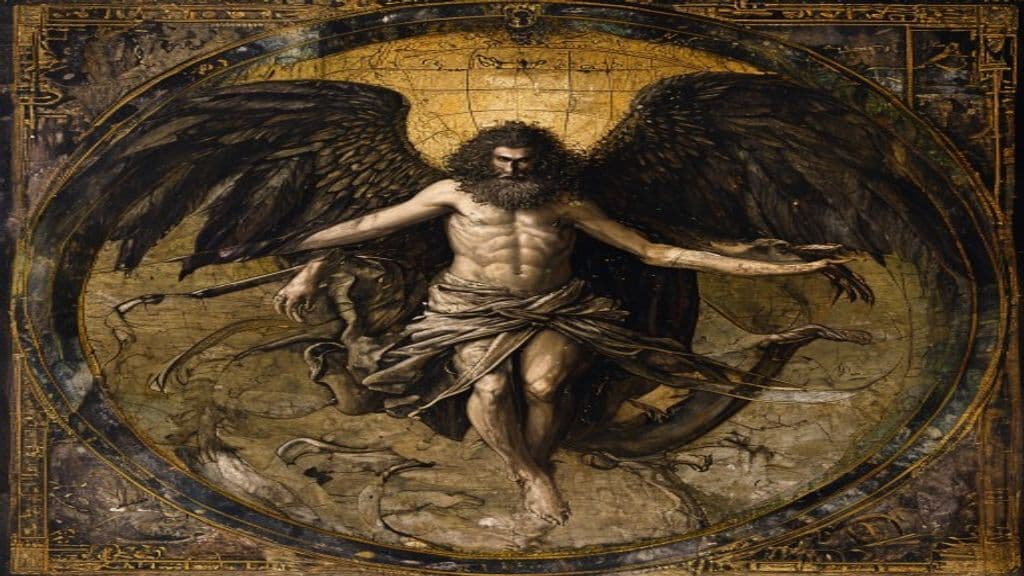
Samael
An angelic figure in Jewish textual traditions whose roles include accuser/adapter (Satanic function), tempter, destroyer/angel of death, and, in later mystical texts, leader of demonic or qlippothic forces. Samael is presented variously across Second Temple literature, midrashim, and Kabbalah; his destructive functions are often framed as serving divine purposes rather than as an independent absolute evil.

Lilitu / Lilith
Lilitu (Mesopotamian) and later Lilith (Hebrew/Jewish folklore) are feminine night-associated supernatural figures whose identity shifts between goddess, underworld queen, and demoness across sources. In Mesopotamian iconography (e.g., the Burney Relief) the figure combines divine regalia with nocturnal and avian features; in medieval Jewish folklore a fuller character, Lilith, develops from the Hebrew term lilit attested in Isaiah 34:14.
Community Record
- [1]Lilith (Wikipedia). Wikipedia, 'Lilith' article (supplied excerpts)wiki
- [2]Wikidata entry: Lilith. Wikidata entry for Lilith (supplied)other
- [3]Biblioteca Pleyades: Sumer/Anunnaki (pages citing composite imagery). Biblioteca Pleyades (secondary site cited in supplied materials) — supplies derivative iconographic descriptions noted as uncertainfolk
- [4]Biblioteca Pleyades: Sumer/Anunnaki (additional imagery commentary). Biblioteca Pleyades (secondary site cited in supplied materials) — supplies derivative iconographic descriptions noted as uncertainfolk