The name Macar/Macareus appears across a range of Greek local traditions as the personal name of several mythic mortals whose genealogies and deeds explain place-names and kinships. In Arcadian tradition one Macareus is listed among the fifty sons of King Lycaon, implicated in the impiety that led Zeus to destroy them and marking a connection to the eponymous place Macaria. Other attestations present a Macareus as son of Aeolus within Aeolian genealogies; as a king of Locris (father of Euboea) possibly conflated with other local genealogical figures; as king of Lesbos named son of Crinacus; as one of the Heliadae of Rhodes (children of Rhodus and Helios); as a Lapith present at the wedding of Pirithous and Hippodamia who kills the centaur Erigdupus; and as a companion of Odysseus from Nericus who is transformed into a pig by Circe and later restored. These multiple usages function etiologically and genealogically within Greek myth rather than as originating from a single archetypal narrative (sources summarize the name as borne by several individuals).
No consistent physical description is provided in the sources for a singular 'Macar' entity. The traditions record several distinct mortal figures (princes, kings, companions, members of hero companies) without a shared iconography or set of bodily traits; any physical detail for individual bearers is not recorded in the supplied materials.
There is no uniform suite of supernatural powers attributed to 'Macar' as a class. Individual named figures are reported performing ordinary heroic or narrative actions appropriate to mortal characters in myth: participation in acts of impiety (as one of Lycaon's sons), dynastic paternity and eponymy (founding or lending a name to places, fathering named daughters), participation in martial exploits (a Lapith who kills a Centaur), membership among the Heliadae, and surviving Circe's metamorphoses as one of Odysseus' companions. These are narrative roles rather than consistent magical abilities.
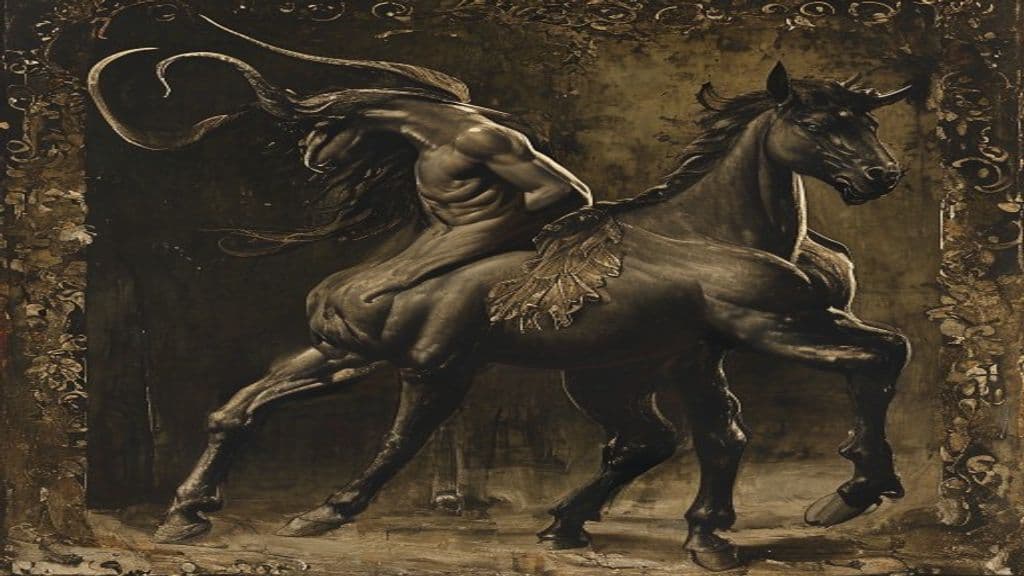
Centaur
A mythic hybrid from ancient Greek tradition with the upper body of a human and the lower body and legs of a horse. Centaurs appear as a tribal population associated with mountainous and wooded regions of Greece and embody tensions between human social order and untamed nature.
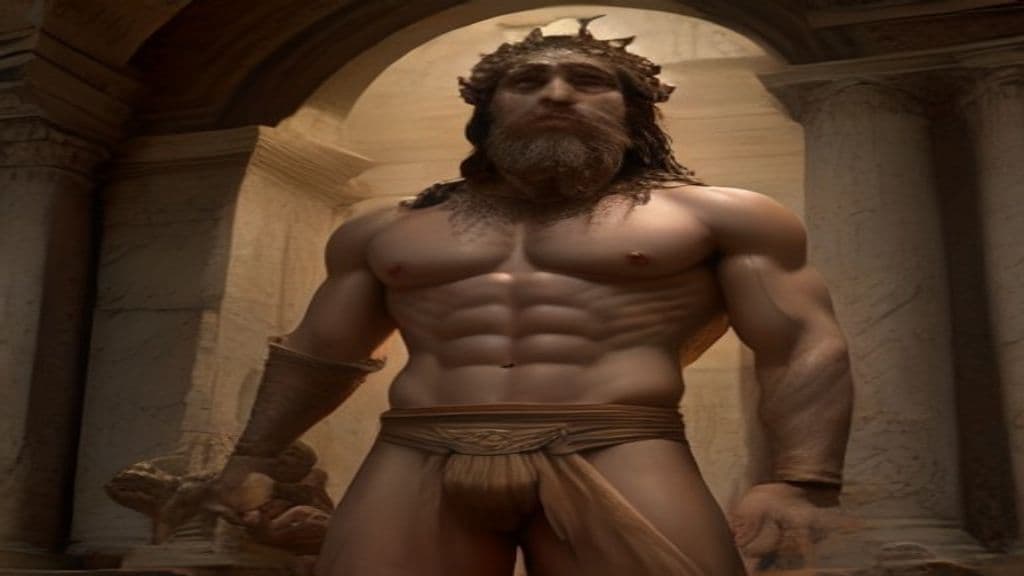
Odysseus
Odysseus is a legendary mortal king of Ithaca from ancient Greek epic tradition, best known as the protagonist of Homer's Odyssey. Celebrated for his intellect, craft (mêtis), and long nostos (homecoming), he functions as an exemplar of heroic cunning rather than a supernatural being.
Community Record
- [1]Macar. Wikipedia, 'Macar' (entry summarizing multiple bearers of the name Macar/Macareus and etymology Μάκαρ 'happy, blissful')wiki
- [2]Macar (Wikidata). Wikidata entry Q431232 (identifier and linked data for Macar/Macareus)other
- [3]Hanussen 1988 (archive). Archive copy referenced in research notes (Hanussen 1988) — cited in source list for related materialother
- [4]Pluto In Varsator (archive). Archive copy referenced in research notes (Pluto In Varsator) — cited in source list for related materialother
- [5]Ion Ghica — Scrisori către V. Alecsandri (1953) (archive). Archive copy referenced in research notes — cited in source list for related materialother