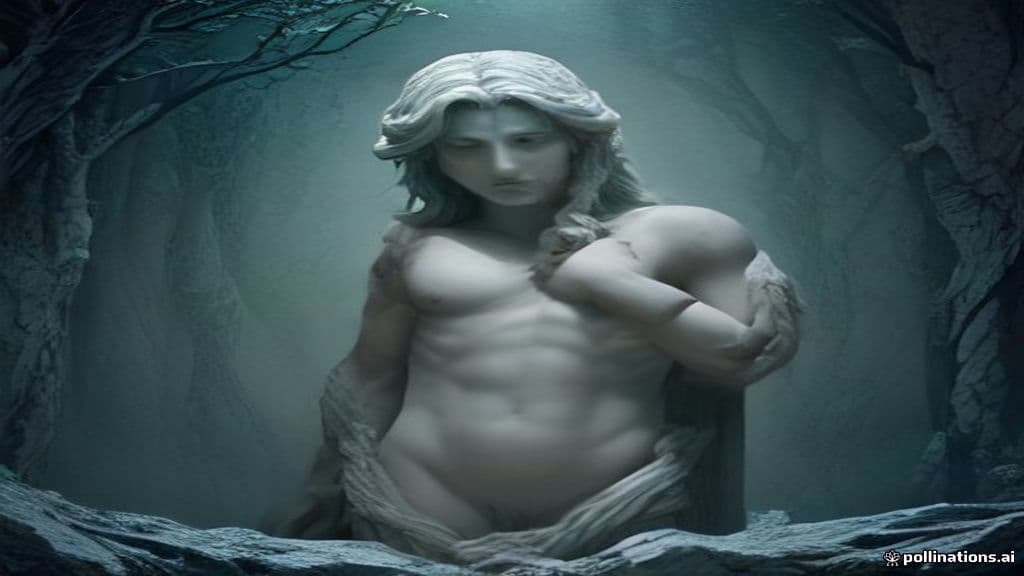
There is no single origin story for Maeon; rather the name is borne by several mortal characters in the epic and tragic past. Variants include a Theban Maeon (son of Haemon, in some versions son of Haemon and Antigone), a Maeon of Troy named as father of Agelaus, a Maeon listed among Rutulian warriors in Roman epic commentaries, and other local traditions (including a kingly figure in a Lydian/Phrygian exposure tale attested in compilations). The multiplicity reflects local and authorial reuse of the personal name within heroic genealogies.
Sources describe Maeon as an ordinary mortal man; no consistent supernatural form is attested. In Theban variants he is identified by a hereditary bodily mark said to mark descendants of the Spartoi (the precise visual detail is not supplied in the excerpts). Statius’ Thebaid depicts one Maeon amid battlefield aftermath and committing suicide, implying a human corpse in that scene.
Across the attested variants Maeons perform ordinary human actions: participation in ambushes and warfare, giving burial to the fallen, attending ritual games, fathering offspring, and in at least one local account exercising prophetic faculties. The prophetic attribute is attached in some sources to a Theban Maeon in mythographic summaries; otherwise no consistent supernatural powers are ascribed and the figures are portrayed as mortal.
Weaknesses
- conditionmortality (vulnerable to killing, suicide, death in war)
- otheridentification by hereditary mark (led to recognition and death in some Theban variants)
Wards
None recorded.
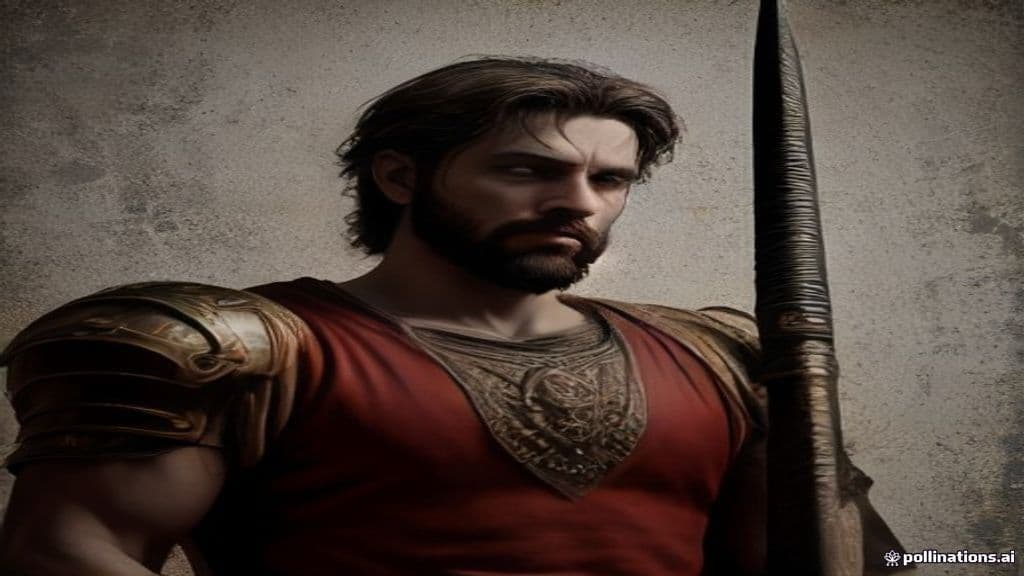
Tydeus
Tydeus (Ancient Greek: Τυδεύς) is an Aetolian heroic figure of archaic Greek myth, counted among the Seven against Thebes and known as the father of Diomedes (Tydides). He appears in narratives of exile, single combat, and the Theban campaign; in some traditions his extreme violence — notably a reported episode of consuming the brains of his killer — leads the goddess Athena to withdraw a promised immortality.
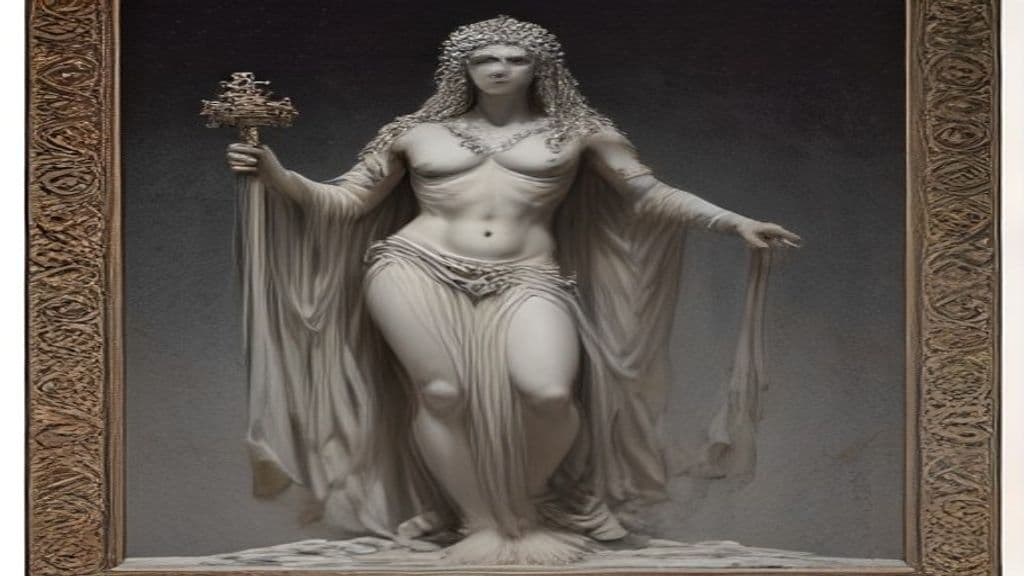
Haemon
Haemon (Ancient Greek: Αἵμων, Haímōn) is a mortal Theban prince in the dynastic cycle of Thebes and a principal human character in Sophocles' Antigone; he is Creon's son and Antigone's fiancé whose choices and fate exemplify conflicts between filial duty and civic authority. He is a human tragic figure, not a supernatural being.
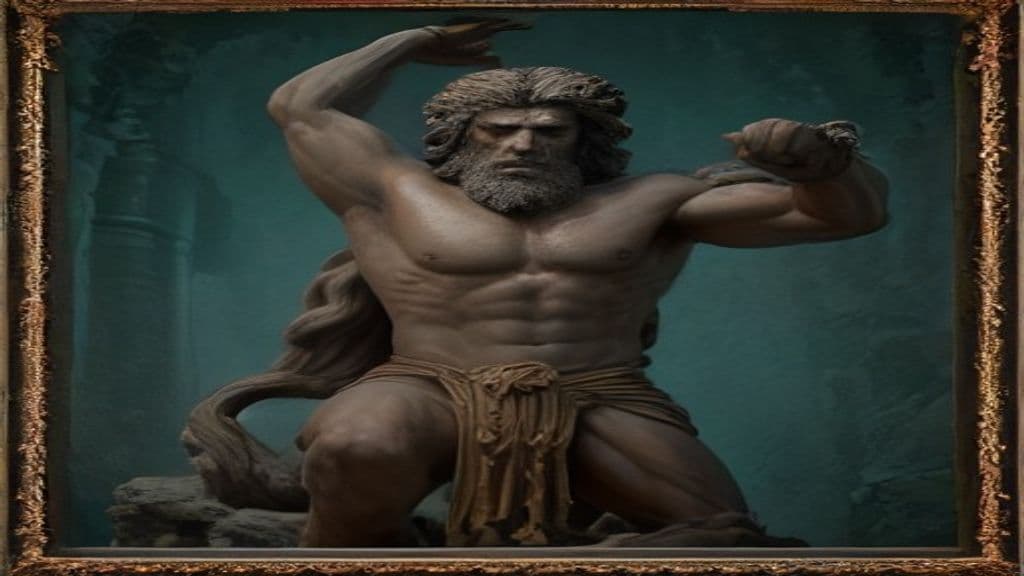
Heracles
Heracles is the greatest hero of Greek myth whose career bridges mortal hero-cult and full divinization. Celebrated for his Twelve Labours, martial prowess, and travels between the mortal world, the underworld, and Olympus, he functioned as a civic patron, ancestor of royal lines (the Heracleidae), and object of cult that treated him both as chthonic hero and as god.
Community Record
- [1]Maeon (Wikipedia). Wikipedia, 'Maeon' entry (summarizes multiple mythographic attestations of Maeon of Thebes, Maeon of Troy, and other variants).wiki
- [2]Statius, Thebaid, Book III. Statius, Thebaid (Book III) — passage describing a Maeon committing suicide amid the aftermath of battle.literary
- [3]MAEON | Dickinson College Commentaries (Vergil). Dickinson College Commentaries entry for 'Maeon' noting Rutulian / Vergilian catalogue appearances and scholia on Virgilic lines.academic
- [4]Antigone traditions and retellings (Greek Legends and Myths; Maicar). Online retellings and myth summaries describing a Maeon son of Haemon (and in some variants son of Antigone) who is identified by Creon and killed, with Haemon and Antigone meeting tragic ends.folk