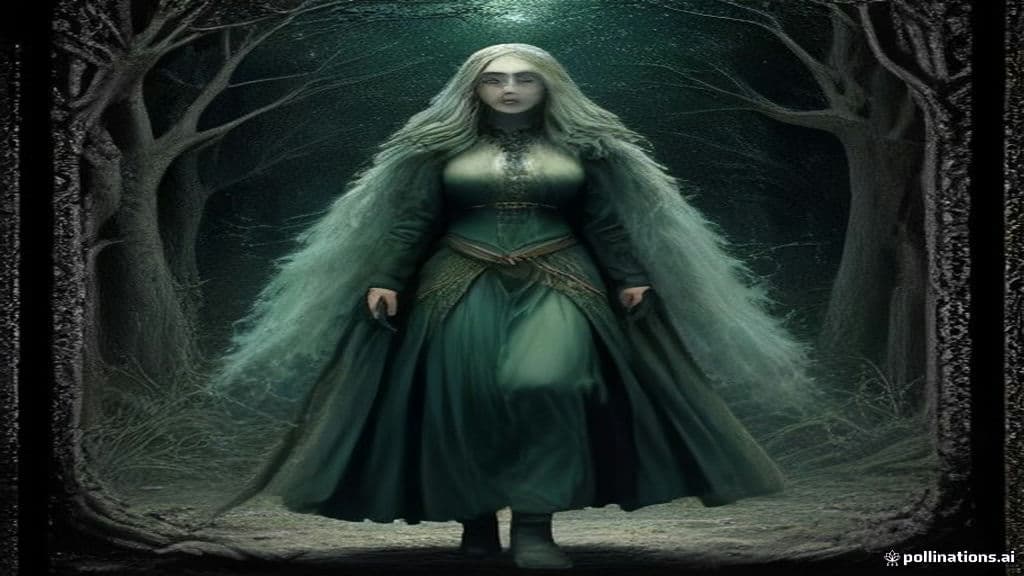
Mór Muman is represented in early medieval Irish texts as the personification of the province of Munster and as a euhemerised mother/sovereignty goddess linked to the Eóganachta dynasty. A key medieval narrative survives under the title Mór Muman 7 Aided Cuanach meic Ailchine ("Mór Muman and the death of Cuanu mac Ailchine") in the Book of Leinster (suggested 10th century or earlier), which relates that she was placed under an enchantment, wandered in a state of madness for two years, and was restored when King Fíngen mac Áedo Duib accepted her. Annalistic entries historicize her as "Mór Muman ingen Áedo Bennáin," recorded in the Annals of Ulster (under 632) and the Annals of Tigernach (under 636), reflecting the medieval tendency to integrate mythic figures into dynastic chronologies. Scholarly and folkloric commentary in the sources also connects her with other feminine sovereignty figures (Mugain, Anu, the Morrígan, Medb) and the possibly identical figure Mis, indicating fluid identities within the Irish goddess/queen tradition.
Sources portray Mór Muman primarily through narrative guises rather than fixed iconography. In the Book of Leinster tale she appears during her enchanted period as a disordered or "wild" woman — a loathly/hag-like figure wandering the land in madness — and after restoration is presented with queenly regalia (a queen's robe and brooch) and reinstated as a proper sovereign consort. Other variants repeat the binary of ragged, wandering female and dignified queen; specific physical descriptors (height, coloring, etc.) are not provided in the cited texts, and the visual detail derives from these narrative states rather than a consistent anthropomorphic portrait.
Mór Muman's primary function in the sources is as a sovereignty-personification: she embodies the land of Munster and confers legitimacy on the rightful king by way of intimate/ceremonial union. The Book of Leinster tale records that when King Fíngen slept with the mad woman her memory and status returned and he gave her the queen's robe and brooch, thereby restoring order. The tradition also contains an etiological motif in which her bodily action on Mount Eagle is said to have formed ravines in Munster — a tale-form attributing landscape-formation to a mythic deed. She is furthermore connected in scholarship with other mother/sovereignty figures (Mugain, Anu, the Morrígan, Medb), suggesting polyvalent maternal, territorial, and occasionally martial aspects in the wider corpus; these identifications are presented as scholarly or traditional conflation rather than definitive separate-source attestations.
Weaknesses
- conditionmadness/enchantment lifted only by rightful king's acceptance (ceremonial union)
Wards
- otherno wards attested in sources
Anu
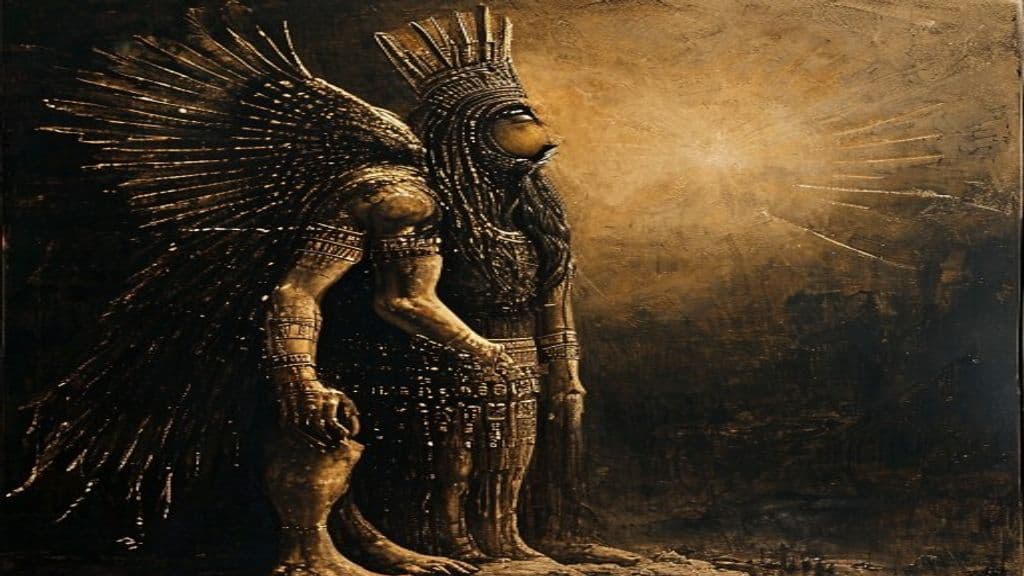
Anu (Sumerian An; Akkadian Anu/Anum) is the divine personification of the sky in ancient Mesopotamian religion, traditionally ranked at the top of god‑lists as the source of heavenly authority (anûtu/anuti) and the fount of legitimate rule for gods and kings. Though supreme in genealogies and astronomical schema, many periods portray him as a relatively passive or figurehead deity whose active cultic role is limited until a late Seleucid reinvention in Uruk.
Medb
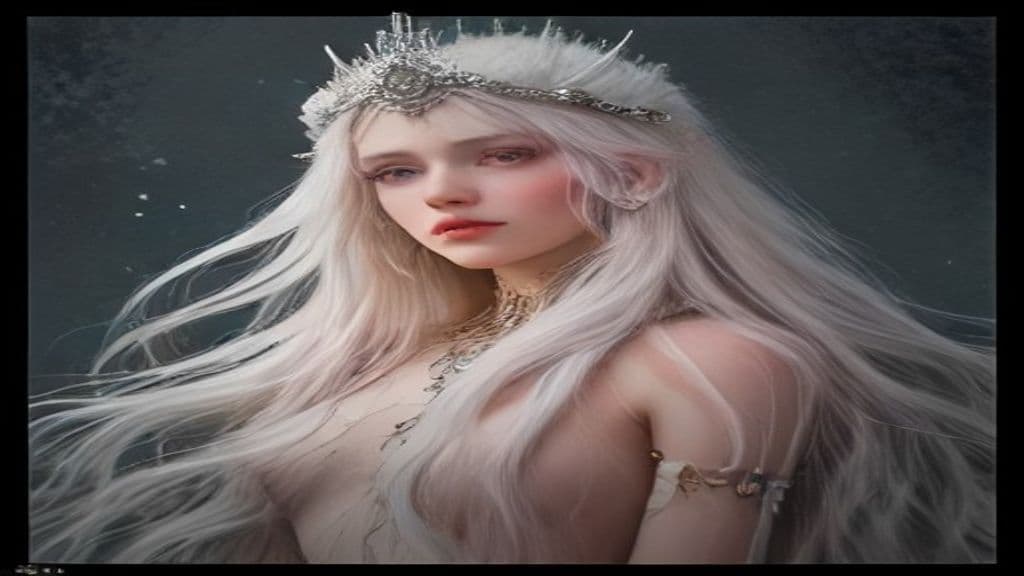
Medb is the legendary queen of Connacht in the Irish Ulster Cycle, presented as a powerful royal figure and a sovereignty-woman who embodies the land's power to grant kingship. She is famed as the instigator of the Táin Bó Cúailnge and is etymologically associated with mead/intoxication and rulership.
Community Record
- [1]Mór Muman — Wikipedia. Wikipedia contributors. "Mór Muman." Wikipedia, The Free Encyclopedia.wiki
- [2]Mór Muman — Wikidata. Wikidata entry Q45452: Mór Muman.other