Ohthere appears in Scandinavian and Anglo-Saxon heroic genealogies as a member of the Scylfing/Yngling royal sequence rather than as a mythic progenitor with a separate cosmogonic origin. Medieval poetic and saga materials present him as the son of Ongentheow/Egill and as an active warrior-king; his placement in the genealogies serves to link later dynastic claims and saga historiography to a heroic past. Later saga narrative (notably Snorri's Ynglinga saga) expands on his career and death, but older summaries (Historia Norwegiæ, Íslendingabók) give shorter variants and differ about the attribution of the Vendelcrow epithet.
The literary sources offer no sustained physical description of Ohthere as a living man. Archaeology connected by local tradition to his name is the Vendel barrow (Ottarshögen) in Uppland: a mound 5 metres high and 40 metres wide excavated in 1914–16, which contained human remains (a man and a woman), a wooden vessel with ashes, decorative panels, a comb in a case, and a perforated late Roman solidus used as a pendant. Archaeologist Sune Lindqvist described the finds as "worthy of a king" but cautioned that the identification of the barrow specifically as Ohthere's cannot be confirmed beyond the excavation's evidence.
Sources depict Ohthere as a human ruler and warrior: leading raids against the Geats and later campaigning into Danish territory, refusing tribute demands (in Snorri's account) and engaging in dynastic warfare. He functions as a political actor — mustering forces, conducting raids, and ruling as a named king whose death and burial are narrated in differing ways across sources. No supernatural powers or magical abilities are attributed to him in the provided materials.
Weaknesses
- otherhuman mortality and defeat in war (no supernatural vulnerabilities attested)
Wards
None recorded.

Onela
Onela is a semi-legendary Swedish king attested in early medieval Germanic sources (notably Beowulf and Norse saga summaries). He appears as a dynastic usurper and wartime opponent in the Scandinavian heroic-legend tradition whose actions (usurpation, killing of a rival prince, and eventual slaying in battle) structure episodes of vengeance and succession.
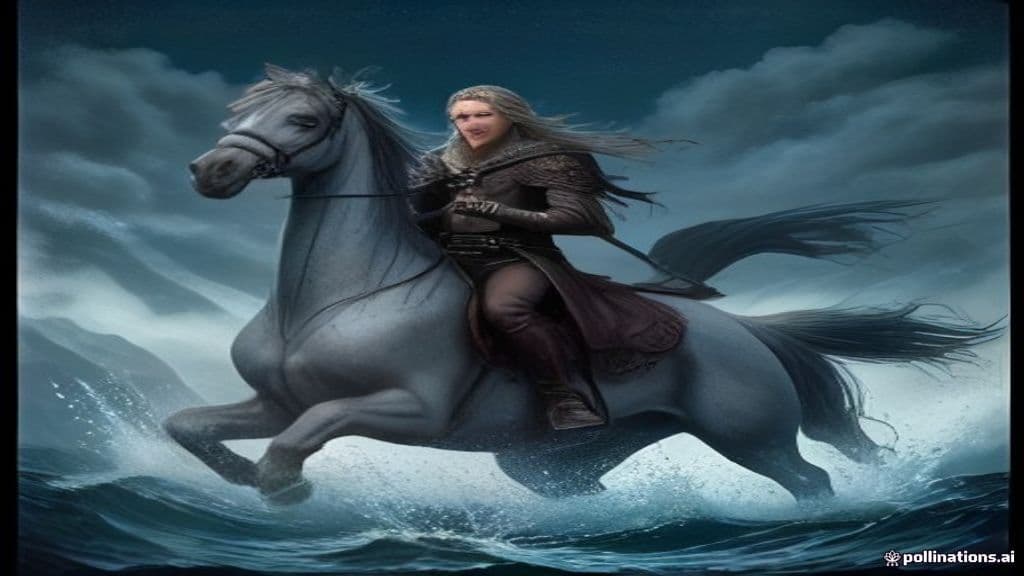
Eadgils (Aðils / Adils)
Eadgils is a semi-legendary 6th-century Swedish king of the Yngling/Skilfing dynasty attested in Old Norse skaldic poetry and sagas and in the Anglo-Saxon epic Beowulf. Sources present him as a dynastic figure whose exile, restoration, and conflicts (notably with Onela/Áli and later associations with Hrólfr Kraki) explain succession and inter-kingdom violence; he is treated as a mortal ruler rather than a supernatural being.
Community Record
- [1]Ohthere. Wikipedia: Ohthere (summary of medieval sources and archaeological association)wiki
- [2]Ottarshögen excavation summary (Sune Lindqvist report cited in secondary sources). Summary of archaeological finds from Vendel barrow (Ottarshögen), excavated 1914–16; Sune Lindqvist recorded grave goods including wooden vessel with ashes and a perforated Roman solidus, and cautioned about direct identification with Ohthere.other
- [3]Histoire d'Ottar jarl, pirate norvégien, conquérant du pays de Bray, en Normandie, et de sa descendance (digitized item referenced). Digitized book listed in research notes (content excerpt not quoted in provided material); included as contextual source listed in the notes.other