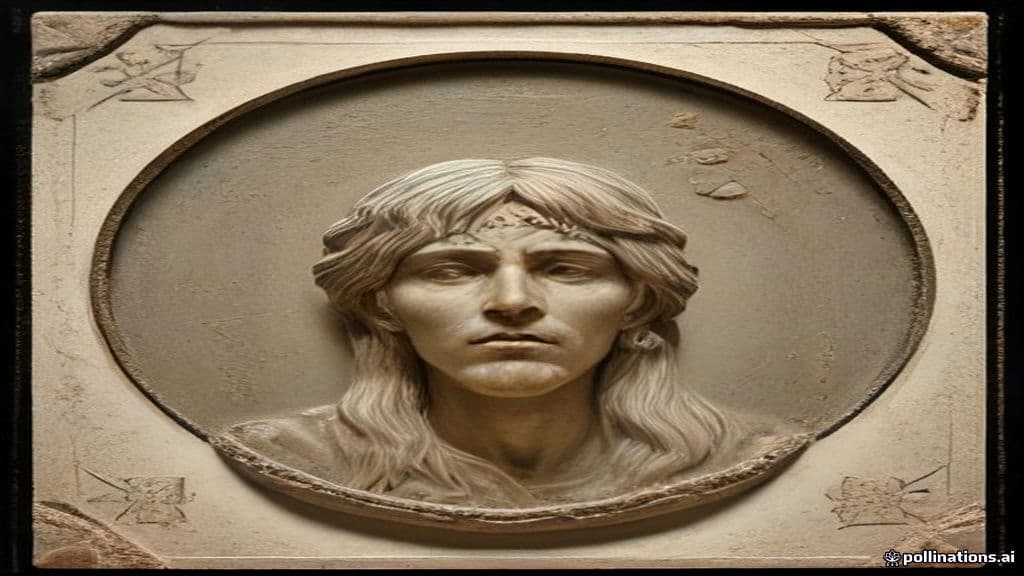
Sources present Oicles as son of Antiphates and grandson of the prophetic figure Melampus; some accounts give his mother as Zeuxippe. He is married in the Catalogue of Women to Hypermnestra and fathered Amphiaraus (the famous seer), Iphianeira, and either Endeos or Polyboea depending on the tradition (Diodorus vs. the Catalogue fragments). Oicles is placed in the heroic generation contemporary with Heracles and in the genealogical chain that precedes Alcmaeon (his grandson), linking him into the Theban and Epigoni cycles.
No preserved sources in the supplied material give a physical or iconographic description of Oicles. He is represented in the literary record and local memory through his relationships, martial deeds, and identified tomb near Megalopolis rather than by any detailed bodily depiction; his character survives as a named ancestral and narrative figure rather than through descriptive portraiture.
Oicles is portrayed as a mortal warrior and leader in martial contexts: in the Troy episode he is assigned by Heracles to guard the expedition's ships and is killed in the fighting by Laomedon. He is not described as possessing prophetic or supernatural powers himself in the supplied sources; his significance chiefly derives from his familial role as father of the seer Amphiaraus and as a participant in heroic warfare.
Weaknesses
- othernone attested
Wards
- othernone attested

Amphiaraus
Amphiaraus is a legendary Greek seer and chthonic hero, famed as one of the Seven against Thebes. After his death—when the earth opened and swallowed him—he was venerated at the Amphiareion of Oropos as a healing and oracular figure whose sanctuary received petitioners seeking dream-delivered solutions.
Heracles
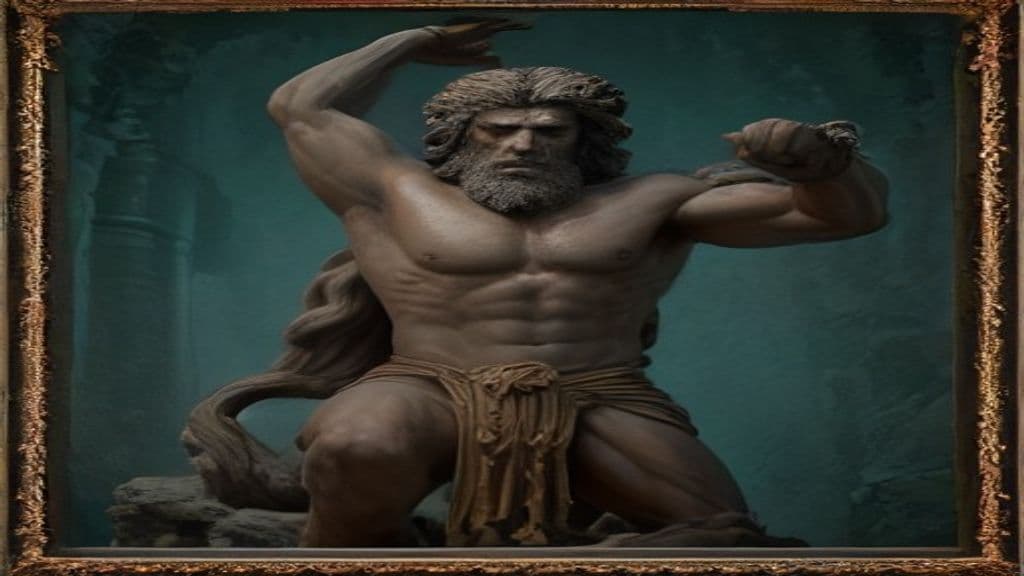
Heracles is the greatest hero of Greek myth whose career bridges mortal hero-cult and full divinization. Celebrated for his Twelve Labours, martial prowess, and travels between the mortal world, the underworld, and Olympus, he functioned as a civic patron, ancestor of royal lines (the Heracleidae), and object of cult that treated him both as chthonic hero and as god.
La Llorona
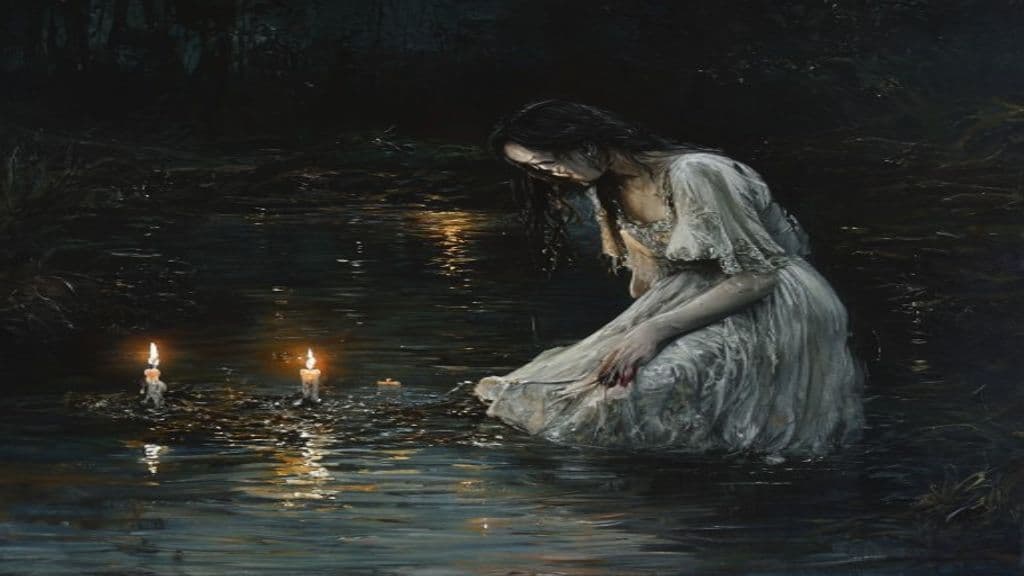
The Weeping Woman of Mexican folklore — the ghost of a mother who drowned her children and now wanders rivers and lakes, weeping for them and taking other children she finds at night.
Community Record
- [1]Oicles — Wikipedia. Wikipedia article 'Oicles' (summarizes Homer, Apollodorus, Diodorus, Pausanias, Catalogue of Women fragments).wiki
- [2]Wikidata: Oicles (Q8221527). Wikidata entry for Oicles.other
- [3]Pausanias (as cited in summaries). Pausanias' report (as summarized) of a tomb said to be Oicles' near Megalopolis (cited in secondary summaries).literary
- [4]Homer / Catalogue / Diodorus / Apollodorus (as cited in summaries). Ancient source traditions summarized in modern compendia: Homeric genealogy (son of Antiphates, grandson of Melampus), Catalogue of Women (family names and spouse Hypermnestra), Diodorus (variant children), Apollodorus (narrative placing him in Theban/Epigoni contexts), and the Troy episode where he guards ships and is slain by Laomedon.literary