Ongentheow is attested across Old English and Old Norse literary traditions as a member of the Scylfing/Yngling royal line. In Old English heroic poetry (chiefly Beowulf and references in Widsith) he appears as a fearsome Swedish king who fights the Geats; in Scandinavian sources he is generally equated with Egil Vendelcrow recorded in Ynglingatal, Ynglinga saga, Historia Norwegiae and Íslendingabók. Genealogically he is placed after Aun (Aun the Old) and before Ohthere/Óttarr (often conflated with later Eadgils) in dynastic lists. Modern scholarship treats the identification between the Old English and Old Norse attestations as persuasive but interpretive rather than absolutely proven, and the tradition preserves variant tellings of his life and death.
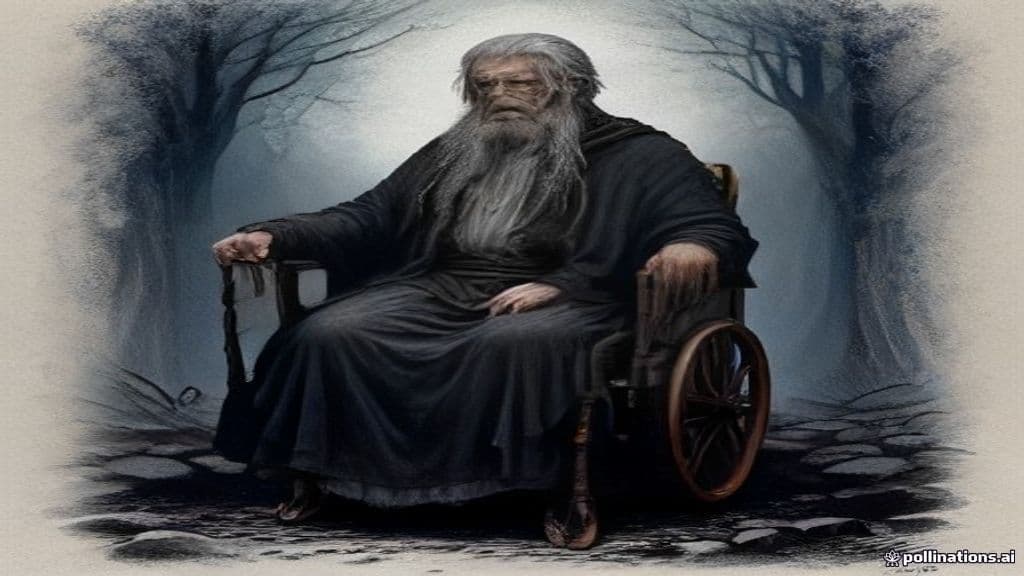
The sources give no detailed physical portrait beyond martial epithets. In Beowulf Ongentheow is described as a fearsome, hoary (elderly) warrior-king, battle-hardened and commanding in combat; the poem emphasizes his age and martial reputation rather than bodily detail. Scandinavian saga tradition preserves him under the epithet Vendelcrow (Vendelcráka / Vendelkráka / Vendelcrow), linking him to the Vendel estate, but does not attribute supernatural or monstrous features. Across accounts he appears as a human aristocratic ruler whose physiognomy is left largely unspecified.
Narrative accounts stress Ongentheow's martial prowess, leadership and role in dynastic politics rather than any supernatural powers. In Beowulf he kills Hæthcyn, besieges the Geats at Hrefnesholt to recover the captured Swedish queen, and wounds the warrior Wulf before being slain when Eofor delivers the death-blow (Beowulf summary). Saga materials portray related episodes of political violence: rebellion by a thrall named Tunni/Tonne against Egil, flight or tributary relations with Denmark in some accounts, and a saga version in which Egil is killed by a bull during sacrifices at Gamla Uppsala. The sources explicitly attribute no magical abilities to him; his extraordinary aspects are reputation and dynastic centrality.
Weaknesses
- conditionmortality
- othervulnerability in battle (slain by Eofor in Beowulf)
- othernarrative vulnerability to ritual/animal accident (killed by a bull during sacrifices in saga tradition)
Wards
- othernone attested in sources
Aun the Old
Aun (Old Norse: Aunn inn gamli; Latinized Auchun) is a legendary Swedish king of the Yngling dynasty attested in Old Norse sources (Ynglingatal, Ynglinga saga in Heimskringla, and Historia Norwegiae). He is portrayed as a mortal ruler who prolonged his life by performing human sacrifices to the god Odin until his community refused a final offering.
Ohthere (Vendelcrow)
Ohthere (Old Norse Óttarr vendilkráka; modern Swedish Ottar Vendelkråka) is a semi-legendary Swedish king of the Scylfing house, placed by sources in the Germanic Heroic Age, possibly early 6th century (fl. c. 515–c. 530). Literary traditions present him as a warrior-king involved in Swedish–Geatish and Swedish–Danish conflicts; a burial mound in Vendel parish (Ottarshögen) has long been associated with his name. Some narrative details (notably a Danish death in the Limfjord and the story of a wooden "Vendelcrow" of humiliation) are attested only in Snorri's later Ynglinga saga and may represent literary elaboration.
Community Record
- [1]Beowulf (summary and references). Beowulf (as summarized on Wikipedia entry for Ongentheow); references to Beowulf poem episodes involving Ongentheow, Eofor and Wulf.literary
- [2]Ynglingatal / Ynglinga saga / Historia Norwegiae / Íslendingabók (synoptic attestation). Modern summaries referencing Ynglingatal and saga sources that identify Egil Vendelcrow with Ongentheow (as cited in the provided research notes).literary
- [3]Widsith (mention). Reference to Widsith's citation of Ongentheow in summaries collected in the provided material.literary
- [4]Onomastic and kenning-based interpretation (secondary scholarship summarized). Summarized scholarly discussion of name elements (þeōw and ongēan), and of kenning/dialect issues linking boar/bull imagery across traditions (scholarly notes attributed to Schück, Nerman, Sundquist in the provided material).other
- [5]Archive: Historical biography of Ongentheow (archival compilation). Collected materials and essays on Ongentheow (as included in the provided research notes).other