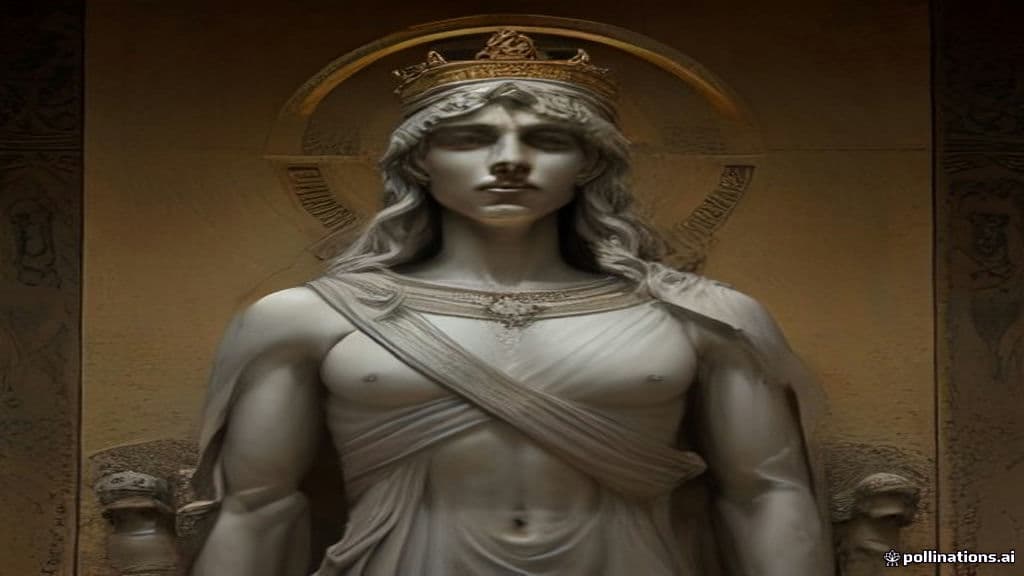
The name Ormenus appears in multiple genealogical and epic contexts rather than a single origin narrative. In local genealogies one Ormenus is presented as eponymous king of Ormenion (Ormenium) in Thessaly and as father of figures such as Amyntor and Euaemon; in Homeric reminiscence an Ormenus is given as the father of Ctesius, king of the isle of Syra and grandfather of Eumaeus. Other occurrences place men named Ormenus among the ranks of warriors in legendary wars (the Seven against Thebes, the Trojan War). The name itself, recorded in Ancient Greek as Ὄρμενος, is glossed in modern summaries with possible meanings such as 'impetuous', 'eager', or 'one who sets in motion,' but those glosses are optional semantic notes rather than a unitary founding myth.
Sources do not preserve a shared or consistent physical or iconographic description for Ormenus beyond the ordinary human roles ascribed to individual name-bearers. Different attestations describe Ormenus as a ruling figure (king of Ormenion/Ormenium), a father and ancestor (father of Ctesius; grandfather of Eumaeus), and as named combatants (a warrior in the Seven against Thebes; one or more Trojan warriors listed among the slain). One attestation lists an Ormenus among the Telchines in some secondary mentions of the name. No source in the provided material attributes distinct supernatural appearance, attributes, or iconography to the name; descriptions are literary and social rather than visual or mythic-ritual.
The 'abilities' attested for bearers of the name are ordinary human social, political, and martial functions rather than supernatural powers. Attested roles include rulership (an eponymous Thessalian king of Ormenion/Ormenium who fathers dynastic lines), paternal and genealogical roles (father of Amyntor and of Ctesius, ancestor of Eumaeus), and military participation (named warriors included among those fighting in the Seven against Thebes and in the Trojan War, some of whom are killed in the narrative lists). One secondary tradition cites an Ormenus among the Telchines as a name-bearer in a cataloging context. Across the sources provided there is no attribution of magical, divine, or otherworldly powers to any Ormenus.

Community Record
- [1]Ormenus (Wikipedia). Wikipedia, 'Ormenus' entrywiki
- [2]Ormenus (Wikidata Q3886056). Wikidata item Q3886056wiki
- [3]Amyntor (son of Ormenus) (Wikipedia). Wikipedia, 'Amyntor (son of Ormenus)'wiki
- [4]Eumaeus' Tale — Odyssey (Bibliomania). Bibliomania, 'Eumaeus' Tale' (Odyssey passage citing Ctesius son of Ormenus)literary
- [5]Person: Ormenus (UVic myths). University of Victoria Mythology pages (Ormenus entry)other
- [6]Person: Ormenus (UVic myths, alternate entry). University of Victoria Mythology pages (Ormenus entry)other
- [7]Achaean Eurypylus in Greek Mythology (GreekLegendsAndMyths). GreekLegendsAndMyths (references Ormenus as eponymous king related to Ormenium genealogy)folk
- [8]Papilio aegeus (mention of 'ormenus'). Wikipedia (modern taxonomic reuse of the name 'ormenus')wiki