According to the Ifa literary corpus as reported in the available sources, Oshun was the only female Irunmole (primordial spirit) sent by Olodumare to assist Shango in the creation of the world. Mythic accounts place her among the original creative agents (Irunmole) rather than as a late addition; narratives emphasize her unique female status among the delegations and describe a subsequent settling of authority in which Shango ensures that other spirits respect her role. Olodumare's grant of orisha powers after these events situates Oshun as a foundational, deified figure within Yoruba cosmology.
Source material emphasizes symbolic attributes rather than a fixed anthropomorphic canonical portrait. Oshun is strongly associated with yellow and gold (often reflected in ritual dress and offerings) and with sweet or aromatic plants such as folha-da-fortuna (Kalanchoe pinnata). In the Brazilian diaspora she is affectionately invoked with maternal epithets and often represented in visual culture by river imagery, yellow/gold colors, and plants rather than a single standardized physical description.
Oshun governs freshwater bodies (notably the Osun River), love, sexuality, fertility, and femininity; she is also associated with destiny, divination, purity, wealth, prosperity and beauty. In Yorubaland she is a patron of the Osun River and in Candomblé Ketu she functions as the deity of fresh water, the patron of gestation and fecundity, receiving prayers from women who seek children and protecting them during pregnancy. In Afro‑Brazilian contexts she acquires emphases on wealth (often called the 'Lady of Gold') and remains central to petitions for prosperity; she is counted among the most popular and venerated of the orishas.
Weaknesses
None recorded.
Wards
- ritualOsun-Osogbo Festival
- substanceyellow/gold offerings and sweet/aromatic plants (e.g., Kalanchoe pinnata)
- ritualviolín (musical ceremony in Regla de Ocha performed for Ochún)
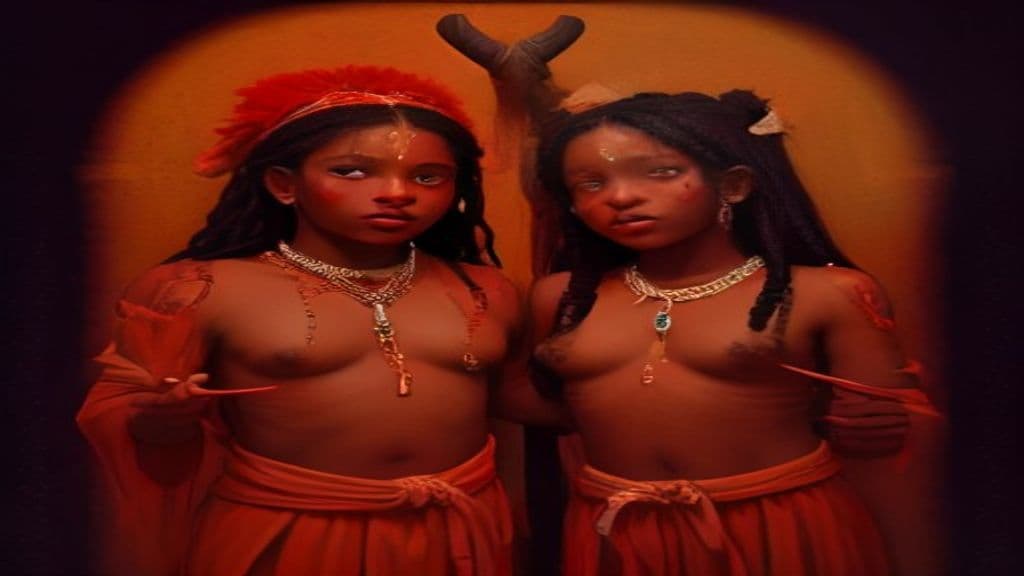
Ṣàngó (Shango / Chango / Xangô)
Ṣàngó is a major orisha in the Yorùbá pantheon identified as a deified royal ancestor (the third Alaafin of Oyo) and as the spirit who governs thunder, lightning, fire, virility, drumming, dance, strength and justice. He is venerated across Yorubaland and in African-derived New World religions (e.g., Candomblé, Santería, Vodou) where his attributes, symbols and rituals have been adapted and occasionally syncretized with Catholic saints.

Ọya
Ọya is a principal female orìṣà in the Yoruba pantheon associated with winds, lightning, and storms. She is also described in the supplied sources as the only orìṣà capable of controlling the Eégún, a power said to have been given to her by Babalú Ayé.
Community Record
- [1]Oshun — Wikipedia. Wikipedia, 'Oshun' article (accessed via provided research notes)wiki
- [2]Oshun — Wikidata. Wikidata entry for Oshun (summary noting 'the youngest of the orisha')wiki
- [3]Gods & Pantheons: Yoruba (summary page). Gods & Pantheons (listed among supplemental materials in research notes)other
- [4]Oshun — GoddessSchool project page. Project page listed in research notes referencing Oshunother