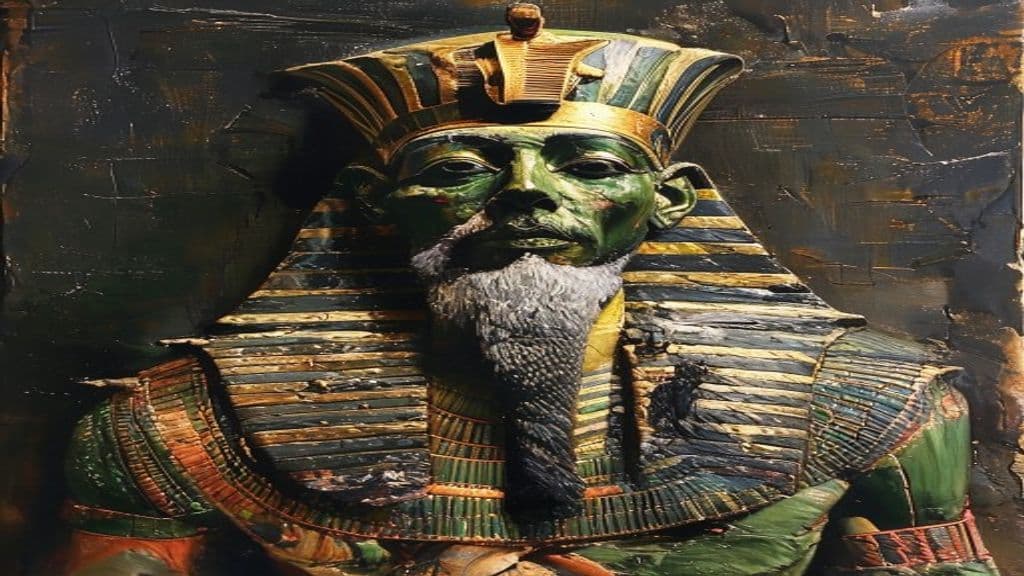
In the canonical Egyptian mythic cycle, Osiris is a son of Geb (Earth) and Nut (Sky), brother and spouse of Isis, and brother of Set and Nephthys; he is also father, in mythic terms, of Horus the Younger. In the central Osiris myth, Set murders and dismembers Osiris to usurp the throne. Isis (with assistance from Nephthys) searches for and recovers his scattered parts — collecting all but one (classically reported as Osiris's genitalia) — and through assembling and wrapping his body enables his return to life. This death-and-recovery sequence establishes Osiris as the resurrected lord of the dead and the model for royal and mortuary regeneration.
Osiris is commonly depicted in mummiform as a pharaonic figure: partially wrapped from the chest downward, wearing the Atef crown (the White Crown of Upper Egypt flanked by ostrich feathers), carrying the crook and flail, and bearing a pharaonic beard. His skin is typically rendered green (a symbol of rebirth) or black (alluding to the fertility of Nile silt).
Osiris rules the underworld and the realm of the dead (epitomized by the epithet Khenti-Amentiu, 'Foremost of the Westerners,' and titles such as 'Lord of Silence'), provides the pattern and promise of postmortem resurrection, and is intimately connected to fertility cycles of vegetation and the annual Nile inundation. Through myth and ritual, deceased kings and others are imagined to be integrated with Osiris to inherit eternal life via imitative funerary technologies (mummification, offerings, mortuary formulae). In some contexts he is syncretized with lunar deity aspects (e.g., with Iah), producing lunar associations in later or syncretic attestations.
Weaknesses
- otherVulnerability in mythic narrative to Set (murder and dismemberment)
Wards
- ritualMummification and funerary offerings/spells (imitative magic to secure Osirian protection)
- ritualMortuary formulae invoking Osiris (e.g., Pyramid Texts style offerings: 'An offering the king gives and Osiris')
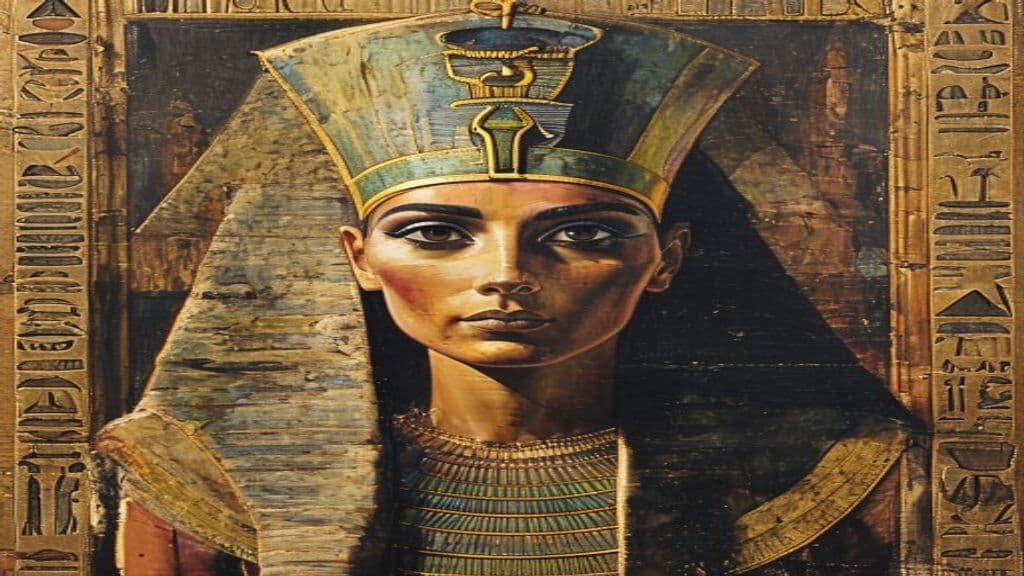
Isis
Isis is a major goddess of ancient Egyptian religion, a member of the Heliopolitan Ennead who functions as sister and consort of Osiris, mother and protector of Horus, a funerary and royal protector, and a locus of potent magic whose cult spread through the Hellenistic and Roman Mediterranean.
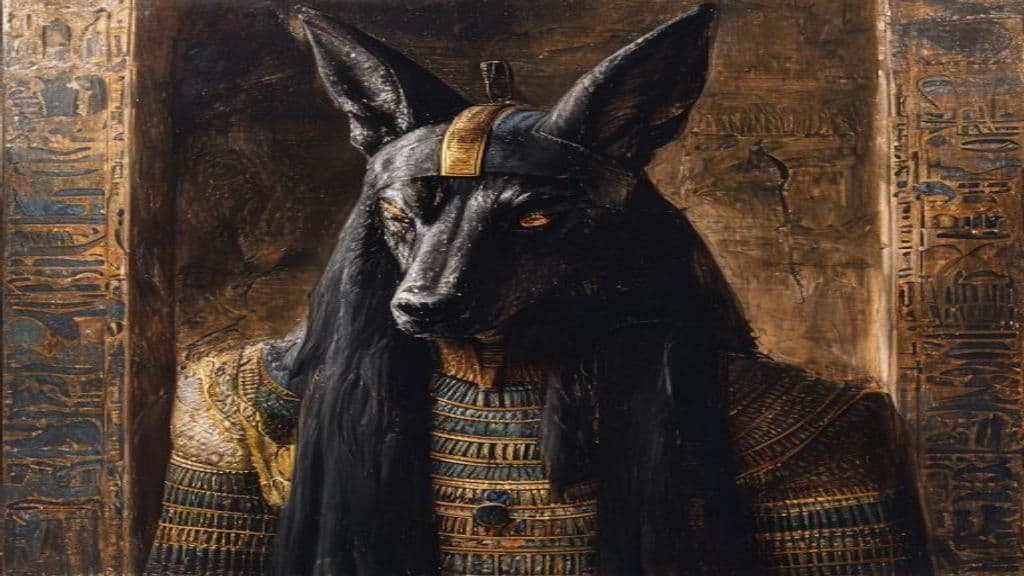
Anubis
Anubis is the ancient Egyptian funerary deity associated with embalming, protection of graves, and guiding the dead into the afterlife. Depicted as a canine or a man with a canine head and shown in black, he presides over mortuary rites and attends the judgment of the deceased, though he is not the central subject of many major myths.
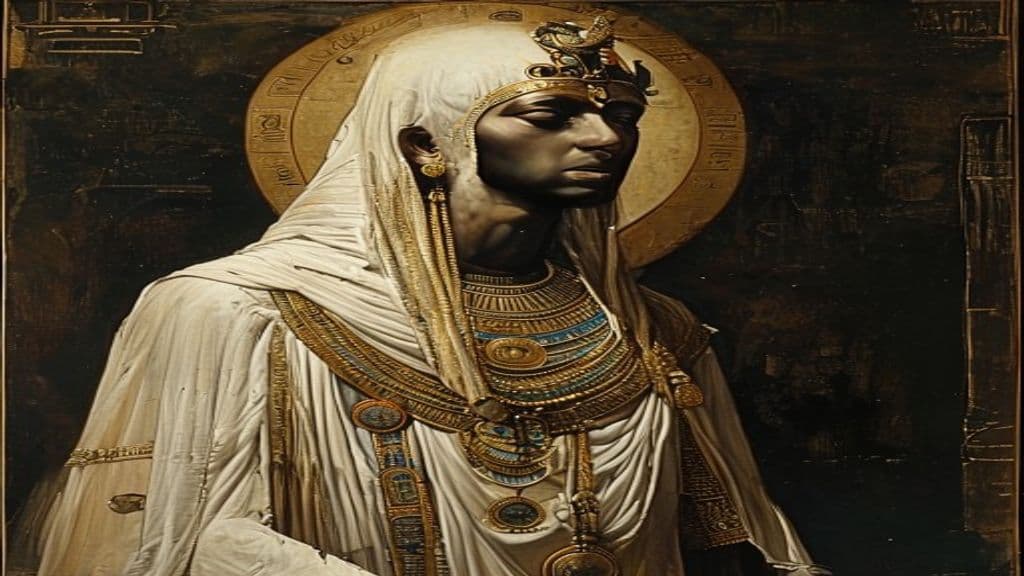
Iah
Iah (Ancient Egyptian jꜥḥ, Coptic ⲟⲟϩ) is the personification of the Moon in ancient Egyptian religion. Initially an independent lunar deity attested from the Middle Kingdom, Iah was later increasingly identified with other lunar and related gods such as Thoth (Djehuty), Khonsu, and at times assimilated with Osiris.
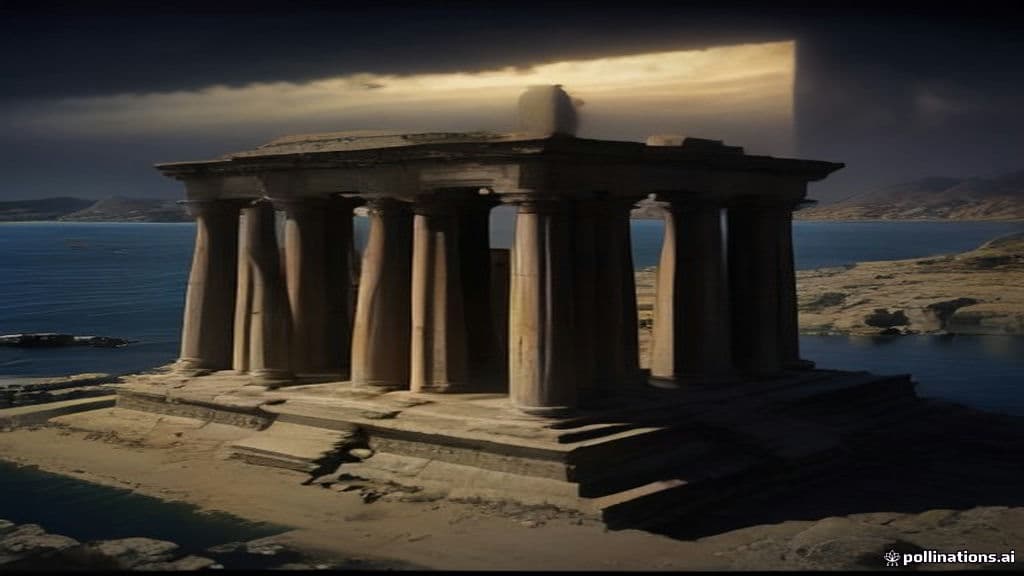
Philae (Island of Philae) — Temple of Isis
Ancient temple complex dedicated to the goddess Isis originally located on Philae island near the First Cataract; famous for its Ptolemaic and Roman-era monuments and for a UNESCO-led relocation to Agilkia Island to save it from inundation by dam works.
Egypt

Abydos — Temple of Seti I and Umm el-Qa'ab necropolis
Abydos is an ancient Egyptian cult city associated with the god Osiris; the area includes temple precincts (notably the Temple of Seti I) and the burial grounds known as Umm el-Qa'ab. Sources document Abydos' long funerary significance and modern heritage issues such as looting in the cemetery areas.
Egypt
Community Record
- [1]Osiris - Wikipedia. Wikipedia contributors, 'Osiris', Wikipedia, The Free Encyclopedia.wiki
- [2]Osiris - Wikidata. Wikidata entry Q1385493 for Osiris.other
- [3]Osiris mythwiki