
The sources supplied do not record a single unified origin narrative for Padmāvatī; rather the name appears as an epithet or identity applied in multiple traditions. In Hindu Vaishnava devotional contexts Padmāvatī is identified with Alamelu Manga, the consort of Venkateshvara (a form of Viṣṇu), locating her as part of the divine household of a major deity (Wikipedia). In Jain tradition Padmāvatī appears as a yakṣiṇī — an attendant goddess associated with a tirthankara (Wikipedia). Separately, Padmāvatī (Padmāvati / Rani Padmini) functions as a legendary queen and heroine in epic and balladic literature (notably the 16th-century Awadhi Padmavat and other classical and vernacular texts listed in the disambiguation). These multiple attributions indicate the name's emergence within overlapping devotional, attendant-goddess, and narrative-royal registers rather than from a single origin myth (Wikipedia; Wikidata; archive listings).
The provided sources do not offer a consistent or detailed physical description for Padmāvatī in any of her roles. Entries and archival titles list her identifications (Vaishnava consort Alamelu Manga; Jain yakṣiṇī; legendary queen) and occurrences in texts and media but do not supply iconographic particulars or uniform visual attributes. Thus, based on the supplied materials, Padmāvatī's appearance is unspecified and varies by tradition and textual portrayal (Wikipedia; Wikidata; archive listings).
Specific supernatural powers or behaviors are not described in the supplied sources. The roles implied by the identifications suggest customary functions: as a Jain yakṣiṇī Padmāvatī would traditionally serve as an attendant and protective female deity associated with a tirthankara; as Alamelu Manga, consort of Venkateshvara, she occupies a devotional relational role within Vaishnava worship and temple practice; and as legendary queens (e.g., Rani Padmini/Padmāvati) she functions within narrative traditions as a royal heroine whose actions belong to epic and balladic plots. The sources enumerate these institutional and narrative placements but do not document formulaic powers, magic, or specific ritual capacities (Wikipedia; Wikidata; archive listings).
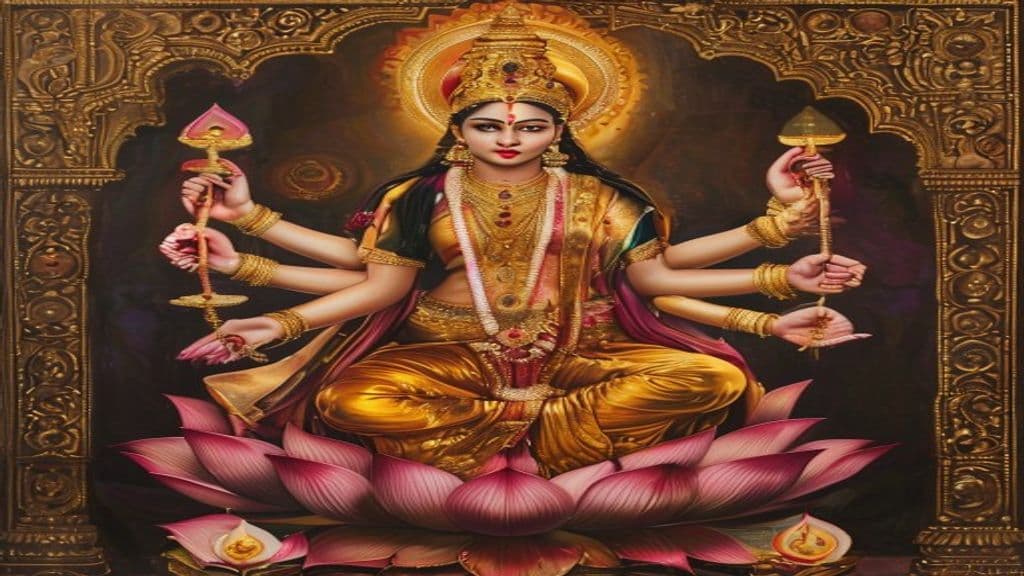
Lakshmi
Lakshmi is a principal Hindu goddess who personifies śrī (auspiciousness) and is revered as the giver of fortune, wealth, prosperity, beauty, fertility, sovereignty, and abundance. She is the consort and shakti of Vishnu in Vaishnavism, part of the Tridevi with Parvati and Sarasvati, and is the focus of popular devotional and festival practices such as Lakshmi Puja during Deepavali and Navaratri.
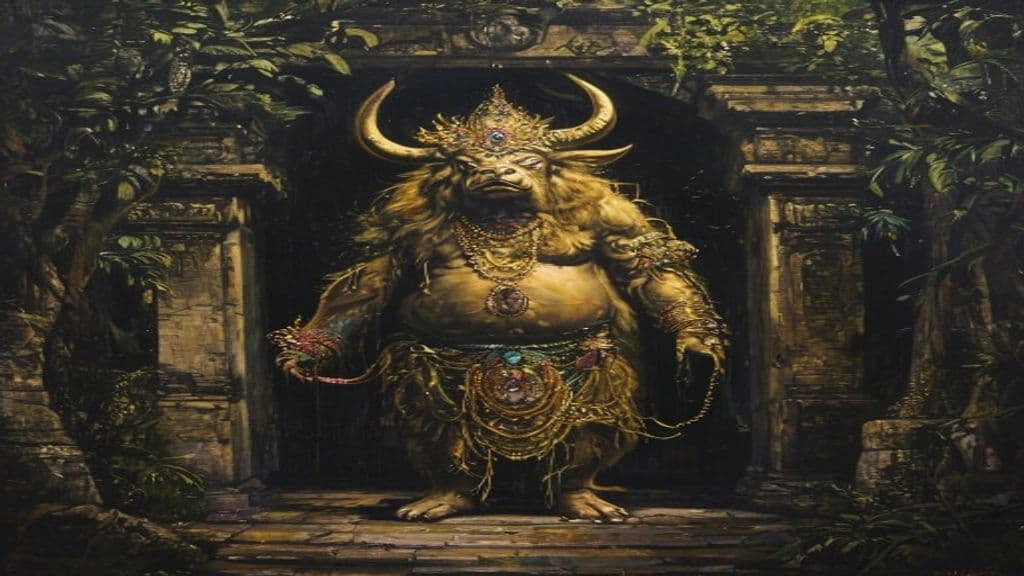
Yaksha
Nature spirits of Hindu, Buddhist, and Jain cosmology — guardians of forests, treasures, and wilderness. Ambivalent beings, capable of great benevolence to the respectful and terrible harm to the greedy.
Community Record
- [1]Padmavati (Wikipedia disambiguation). Wikipedia: 'Padmāvatī may refer to: ... Padmavati (Jainism), a Jain attendant goddess (Yakshini) ... Padmavati (Hinduism), or Alamelu Manga, a Hindu goddess and consort of Venkateshvara ... Rani Padmini, also known as Padmavati... Padmâvatî (opera) ... Padmāvatī, in Bhasa's Svapnavasavadattam.'wiki
- [2]Wikidata: Padmāvatī (Q4705901). Wikidata entry identifying Padmāvatī and linking to related articles and identifiers.wiki
- [3]पद्मावतीआख्यान. (a Story Of Padmavati). Archive listing titled 'पद्मावतीआख्यान.' (a Story Of Padmavati) — attests a manuscript/item bearing the name Padmāvatī.other
- [4]Padmavati Maha Mantram (archive listing). Archive listing titled 'Padmavati Maha Mantram' — indicates a mantric/devotional item associated with Padmāvatī but provides no ritual text in the supplied metadata.other
- [5]The Stream: #Padmavati — ALJAZ (archive listing). Archive listing for an Al Jazeera program noting that the modern film Padmaavat (formerly titled Padmavati) sparked threats of violence — evidence of the name's modern cultural and political resonance.other