
Sources present conflicting genealogies. In one tradition Phthius is listed among the fifty sons of the impious Arcadian king Lycaon (mother variably named as the naiad Cyllene, Nonacris, or an unnamed woman), placing him firmly within Arcadian royal descent. In another account (Dionysius of Halicarnassus), Phthius is named as a son of Larisa and Poseidon and appears alongside Achaeus and Pelasgus as a leader of a colony that arrived in Haemonia (an older name for part of Thessaly). These variant parentages display the fluidity of local foundation myths and genealogies in Greek tradition.
No physical description or iconographic attributes for Phthius are provided in the examined sources; he is attested only as a named genealogical/founder figure in lists and foundation narratives.
The supplied materials attribute no supernatural abilities to Phthius. His functions in the traditions are those of a mythic founder or eponymous ancestor and of a leader within colonizing/migration narratives (e.g., named among leaders who 'arrived in Haemonia' according to Dionysius). He serves narratively to explain place-names, tribal origins, and lines of descent rather than acting as a divine or magical agent.
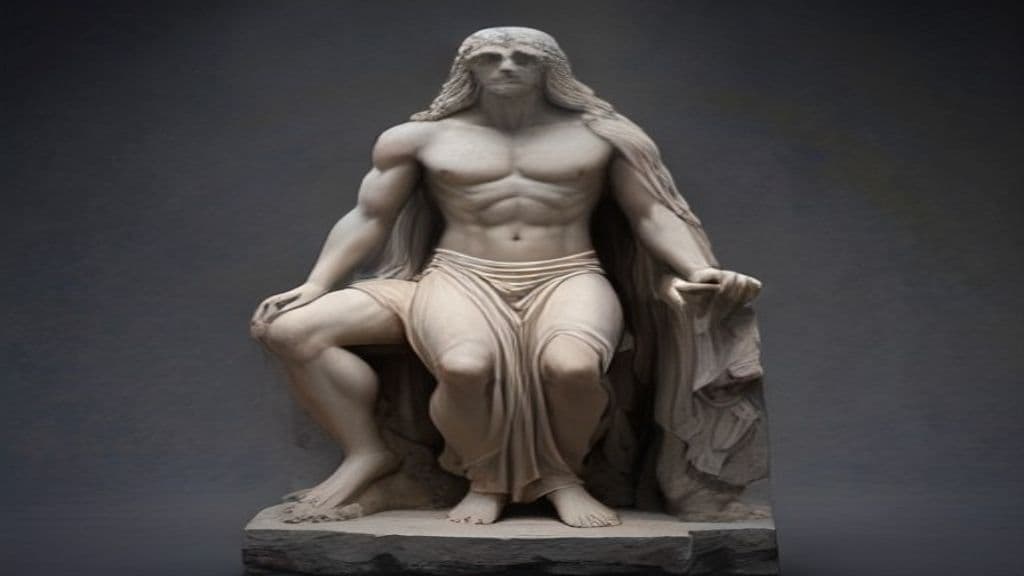
Pelasgus
Pelasgus (Πελασγός) is a mythic ancestral and eponymous founder figure in ancient Greek tradition credited in various local accounts with founding cities, teaching agriculture, receiving Demeter, and giving his name to the Pelasgians and regions such as Pelasgiotis. He appears across competing regional genealogies (Argive, Arcadian, Thessalian) rather than as a standardized supernatural being.

Pelasgians
In Greek tradition, the Pelasgians were a collective term for indigenous people inhabiting Greece before the emergence of the Greeks. (Note: 1. Power tier should be Primordial is incorrect; given that there's no information about their abilities or behaviors, they should not have a power tier assigned. 2. Appearance should state "No physic)
Community Record
- [1]Phthius (son of Lycaon) — Wikipedia. Wikipedia: Phthius (son of Lycaon)wiki
- [2]Dionysius of Halicarnassus, Roman Antiquities Book I (LacusCurtius). Dionysius of Halicarnassus, Roman Antiquities I (excerpt listing Achaeus, Phthius and Pelasgus as sons of Larisa and Poseidon)literary
- [3]Pelasgians — Wikipedia. Wikipedia: Pelasgians (context on Pelasgian eponymy and related genealogies)wiki
- [4]Pelasgus — Wikipedia. Wikipedia: Pelasgus (discusses Pelasgus as eponymous ancestor appearing with Phthius in some traditions)wiki
- [5]Lycaon (Lykaon) — Theoi Classical Texts Library / Greek Mythology Link. Theoi / Lycaon entry (genealogical lists noting the many sons of Lycaon)literary
- [6]Lycaon 2 - Greek Mythology Link. Greek Mythology Link: Lycaon2 (genealogical summaries referencing Lycaon's sons)other
- [7]Wikidata: Phthius of Arcadia. Wikidata entry for Phthius of Arcadiaother