Phylonomus is presented in the Perseid genealogical tradition as a son of King Electryon of Mycenae and Anaxo (daughter of Alcaeus), placing him in the generation after Perseus. The narrative context recounts a dispute between Electryon's house and the Taphians — descendants of Taphius and related to Mestor, brother of Electryon — over stolen cattle and claims to ancestral rights. In the resulting clash the sons of Pterelaus (claiming descent from Mestor) kill Phylonomus and many of his brothers; this sequence of events is given in the Apollodorian and Hesiodic-derived summaries and functions etiologically in the larger cycle that leads to Electryon's death, Amphitryon's exile, Alcmena's marriage, and ultimately the birth of Heracles.
No physical description of Phylonomus survives in the provided sources. He appears only as a named member of Electryon's household in genealogical lists and in narrative summaries of the cattle-raid conflict; there are no attested details of his bodily appearance, armor, or distinguishing marks in the cited materials.
The sources do not attribute any supernatural powers or specialized skills to Phylonomus. He is represented as a mortal Mycenaean prince and combatant: one of Electryon's sons who takes part in the fatal clash with the sons of Pterelaus over cattle and succession. His role is narrative and genealogical rather than magical — his death serves to illustrate dynastic vulnerability and to set up subsequent events in the Perseid cycle.
Weaknesses
- conditionmortality; vulnerability in battle
- otherexposure to inter-clan violence and claims over cattle/succession
Wards
None recorded.

Amphitryon
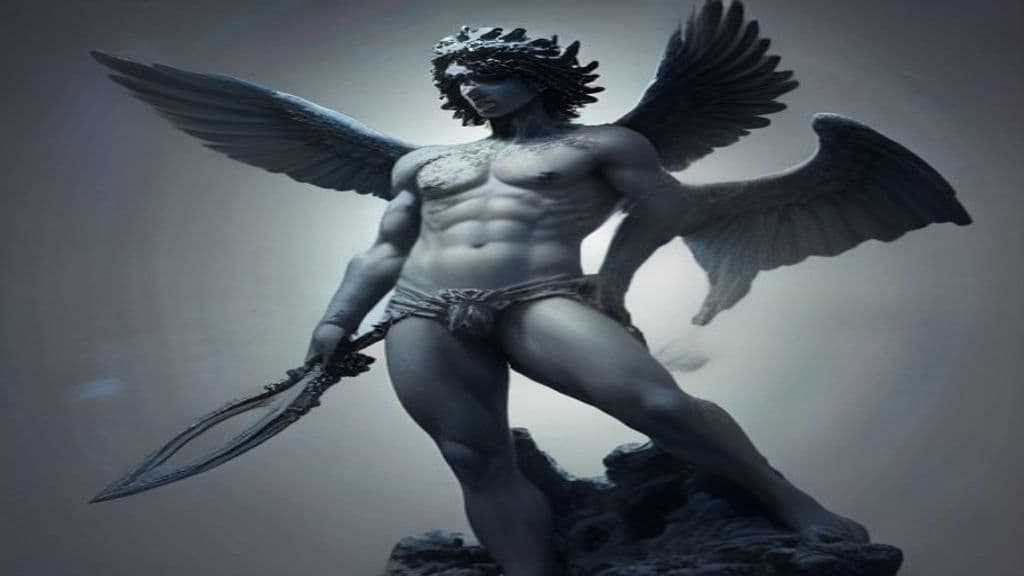
Amphitryon is a mortal nobleman of Greek mythic-historical tradition: son of Alcaeus of Tiryns, husband of Alcmene, and the acknowledged stepfather of Heracles. He appears in heroic-age narratives as a warrior, dynastic actor, and the human whose identity is impersonated by Zeus in literary treatments that explore paternity and identity.
Perseus
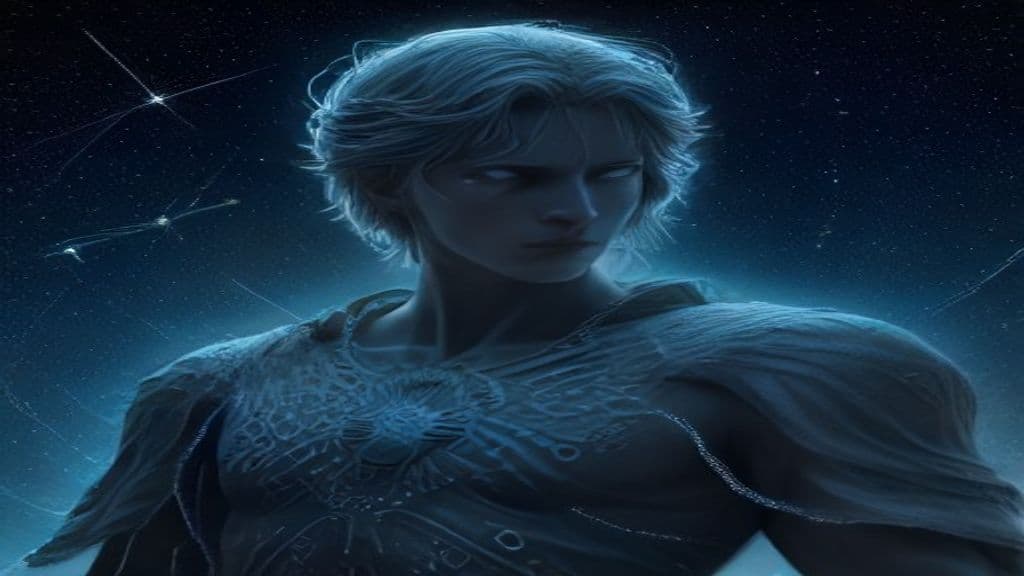
Perseus is a legendary hero of ancient Greek myth, a mortal son of Zeus and Danaë famed as a slayer of monsters and founder of the Perseid dynasty; his narrative emphasizes divine intervention (gifts from Hermes, Athena, and Hades), heroic cunning, and eventual placement among the stars as a constellation.
Electryon
Electryon (Ancient Greek Ἠλεκτρύων) is a mythic king of the Perseid line in Greek tradition, ruler of Mycenae and Tiryns whose conflict over stolen cattle, the deaths of his sons, and his own death set the succession events that lead to Amphitryon, Alcmena, and the birth of Heracles. He is presented in classical sources as a mortal dynast rather than a supernatural being; versions differ on whether his death was accidental or the result of homicide.
Mestor
Mestor (Ancient Greek: Μήστωρ, 'adviser, counsellor') is primarily an Ancient Greek personal name borne by several mortal figures in mythic genealogies (sons of Perseus, Pterelaus, Priam, Ajax and one of Poseidon's ten Atlantean princes in Plato). In modern popular culture the name was reused for a human antagonist in the Doctor Who serial 'The Twin Dilemma'.
Heracles
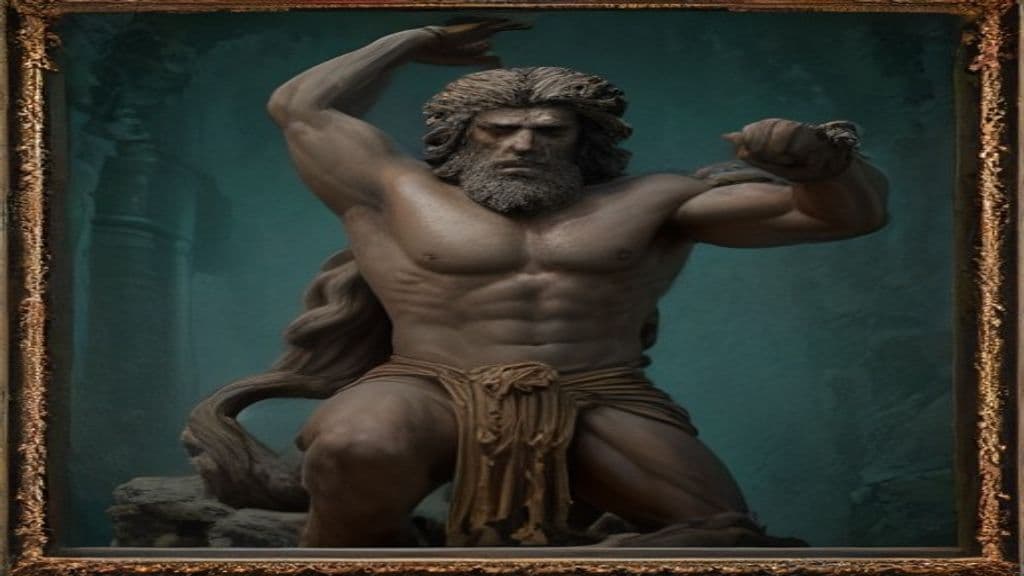
Heracles is the greatest hero of Greek myth whose career bridges mortal hero-cult and full divinization. Celebrated for his Twelve Labours, martial prowess, and travels between the mortal world, the underworld, and Olympus, he functioned as a civic patron, ancestor of royal lines (the Heracleidae), and object of cult that treated him both as chthonic hero and as god.
Community Record
- [1]Phylonomus — Wikipedia. Wikipedia, 'Phylonomus' entrywiki
- [2]The Son of Amphitryon (Legendary Passages). Legendary Passages archive summary of the Perseid/Amphitryon traditionliterary
- [3]Phylonomus (Myths UVic). Mythology resource entry summarizing genealogical attestationsother
- [4]ToposText — People: Phylonomus. ToposText entry for Phylonomusother
- [5]Hesiod, Catalogues of Women (fragments) — Theoi Classical Texts Library. Hesiodic fragments and genealogical tradition as preserved in classical summariesliterary