Accounts place Pterelaus in the genealogical network of Perseus’ descendants. In the main literary tradition (summarized from Apollodoran-type sources) Pterelaus is a ruler of the Taphians whose sons (identified in some summaries by name) came with Taphians to claim the kingdom of Mestor, their maternal grandfather; when Electryon ignored the claim they seized his cattle and were involved in a deadly conflict with Electryon's sons. Variant genealogies attach divine descent to the line: some sources make Taphius (Pterelaus’ father in some traditions) a son of Poseidon and Hippothoe, and some summaries describe Pterelaus himself as son of Poseidon—these alternatives are attested in the survey of surviving versions and later compilations rather than a single uniform pedigree.
Surviving literary excerpts provide no detailed physical description of Pterelaus. He is represented in the texts as a kingly, founder/patriarchal figure within genealogical narrative. Later poetic and narrative references focus on his role as ruler and on trophies and consequences of the conflict with Electryon rather than on bodily features; no consistent iconographic or bodily portrait is preserved in the supplied materials.
Pterelaus functions as a political and martial leader: he and his sons act as claimants and raiders whose seizure of Electryon's cattle precipitates lethal reprisals. In at least one tradition recorded in modern summaries (following the Pseudo-Apollodoran narrative tradition) Pterelaus possessed an extraordinary conditional invulnerability: a single golden hair implanted in his head kept him impervious to death, and the removal of that hair (in the episode involving his daughter Comaetho in some variants) made him vulnerable and led to his killing. Beyond this conditional charm, the sources depict him as a mortal king rather than a deity, and his agency is political and genealogical rather than cosmically transformative.
Weaknesses
- conditioninvulnerability depends on a single golden hair; removal permits death
Wards
None recorded.

Amphitryon
Amphitryon is a mortal nobleman of Greek mythic-historical tradition: son of Alcaeus of Tiryns, husband of Alcmene, and the acknowledged stepfather of Heracles. He appears in heroic-age narratives as a warrior, dynastic actor, and the human whose identity is impersonated by Zeus in literary treatments that explore paternity and identity.
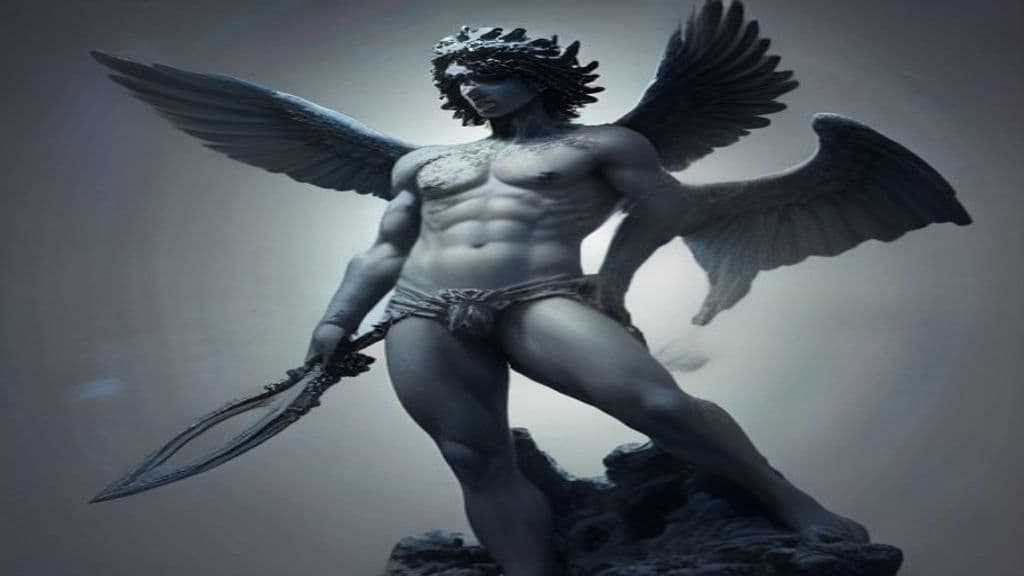
Perseus
Perseus is a legendary hero of ancient Greek myth, a mortal son of Zeus and Danaë famed as a slayer of monsters and founder of the Perseid dynasty; his narrative emphasizes divine intervention (gifts from Hermes, Athena, and Hades), heroic cunning, and eventual placement among the stars as a constellation.
Community Record
- [1]The Son of Amphitryon (LP0003) — Archive transcription (Apollodoran-style). Apollodoran-style account in archive transcription LP0003: summary of Electryon’s reign and the Taphians’ cattle-raidliterary
- [2]Pterelaus — Wikipedia. Modern encyclopedia entry summarizing ancient variants including golden-hair motif and genealogical alternativeswiki
- [3]Pterelaus (son of Taphius) — Wikipedia. Supplementary summary of tradition linking Pterelaus and Taphius with Poseidon in variant genealogieswiki
- [4]Pterelaus in Greek Mythology — GreekLegendsAndMyths. Popular summary presenting the golden-hair/Comaetho episode and lists of sonsfolk
- [5]Comaetho of Taphos — GreekLegendsAndMyths. Summary of the episode in which Comaetho removes Pterelaus' golden hair (compilation of variant traditions)folk
- [6]Our Mythical Childhood Survey — entry on Pterelaus variants. Survey entry summarizing variant accounts, noting the golden-hair motif and genealogical uncertaintiesother
- [7]Pterelaus (general summary) — GreekMythology.com. Online summary of the narrative placing Pterelaus in the Amphitryon/Heracles cyclefolk