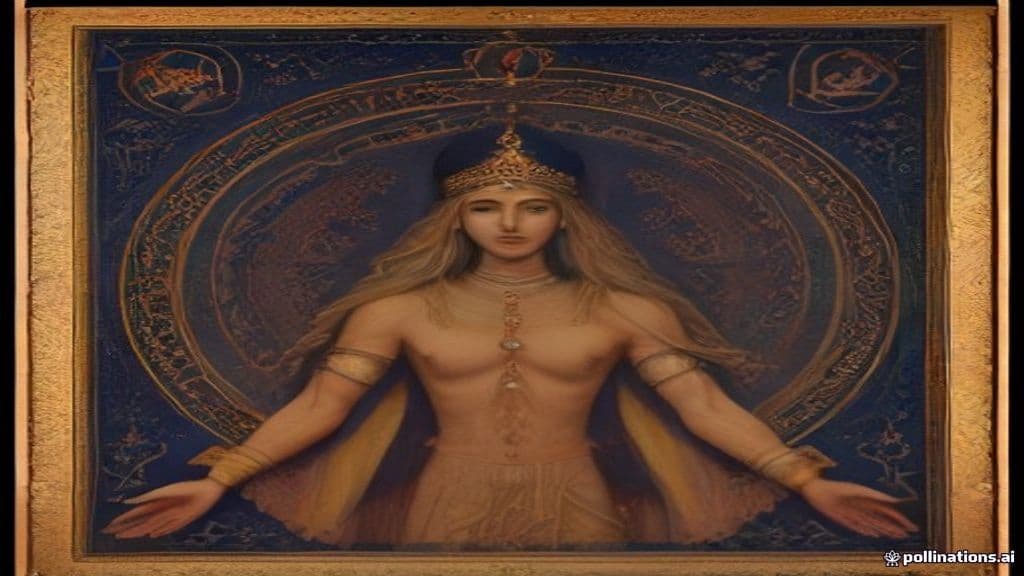
Literary sources present Rashnu as a divine, personified principle within Zoroastrian cosmology rather than a localized origin tale. In the Bundahishn Rashnu is identified as an assistant of the Amesha Spenta Ameretat (Amurdad) and is described as the essence of truth (arta/asha) that prevents the daevas from destroying material Creation. Rashnu appears in Avestan hymnody (Rashn Yasht) and later Pahlavi compilations as an enduring cosmic adjudicator rather than as the subject of a discrete creation myth.
Primary sources provide no consistent physical or iconographic description. Avestan hymnic epithets (for example, razishta, often translated 'most upright' or 'the straightest') and later comments (Dhalla) describe Rashnu in moral/formal terms (upright, well-shaped) but do not supply concrete sensory features such as color, attire, or animal form. In the available texts Rashnu is presented primarily as a juridical/metaphysical presence rather than via a standardized bodily image.
Rashnu adjudicates the deeds of souls after death as one member of a threefold tribunal alongside Mithra and Sraosha; the Avesta (Rashn Yasht) gives him epithets such as 'most discerning,' 'most fore‑knowing,' 'most far‑seeing,' 'the best doer of justice,' and 'the best smiter of thieves,' indicating capacities for discernment, judgment, and punitive action. The Bundahishn frames Rashnu as the essence of truth (arta/asha) that protects creation from the daevas. The Siroza associates him with truthful speech and the augmentation or sustaining of the world. These roles combine juridical, cosmological, and verbal/ethical functions in liturgical and mythic contexts.
Weaknesses
- otherNo weaknesses attested in the cited sources
Wards
- otherNo wards or protections against Rashnu are attested in the cited sources (Rashnu is a just/protective deity)
Mithra
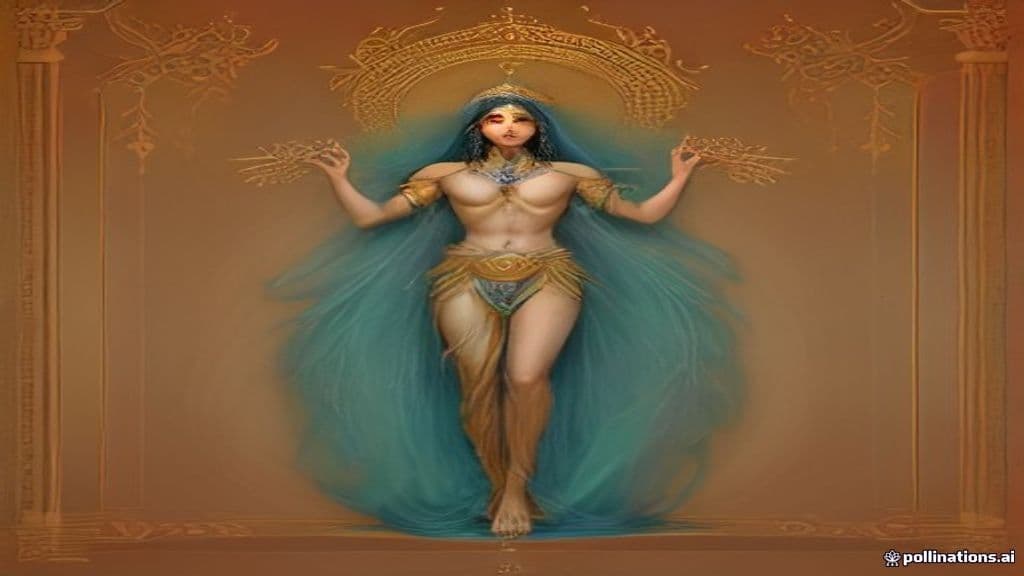
Mithra (Avestan Miθra) is an ancient Indo‑Iranian deity preserved in Iranian and Zoroastrian scriptures as a high Ahuric figure who guarantees covenants, truth, and the ordered life of society. Described in the Avesta as an ever‑watchful guarantor of contracts, protector of pastures, cattle and waters, and a diurnal heavenly presence, Mithra is liturgically venerated in hymns such as the Mihr Yasht and invoked in Khorda Avesta litanies. Modern scholarship notes similarities but significant differences between the Avestan Mithra and the Roman Mithras cult.
Daeva
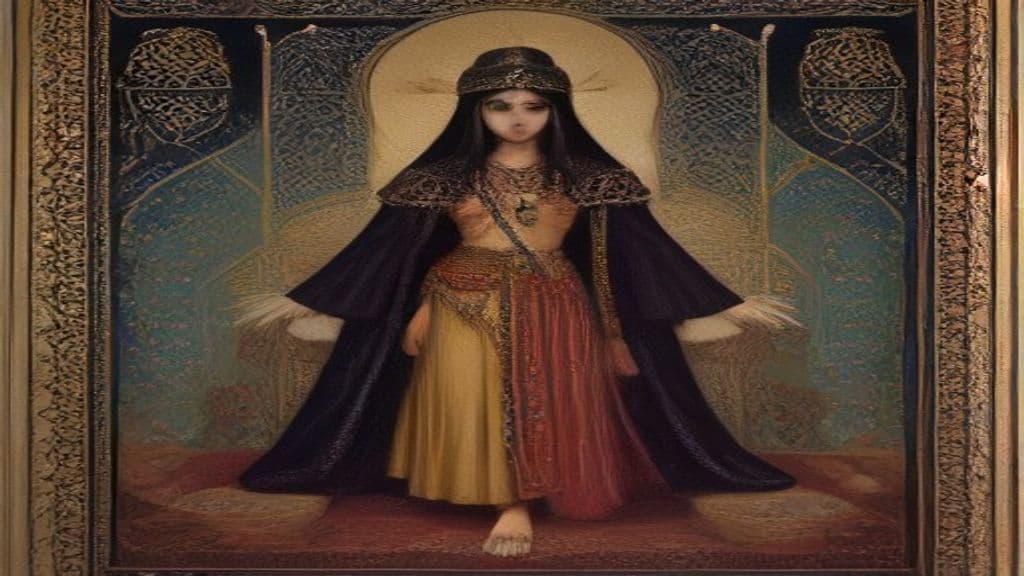
In Zoroastrian and Iranian tradition, a daeva (Avestan daēuua) is a class of supernatural being that the Zoroastrian revelation repudiates; in the oldest texts they are 'gods that are (to be) rejected' and in later tradition they come to be depicted as divinities promoting chaos and, ultimately, as personifications of evil.

Abatur
Abatur is an uthra (celestial emanation) in Mandaeism described as the 'father of the Uthras' and called the Ancient (ʿattīqā). He resides on the boundary between the World of Light and lower regions, functions as a judge who weighs souls (Abatur Muzania), and supplies instructions and materials to the demiurgic uthra Ptahil in accounts from the Diwan (Scroll) of Abatur.
Community Record
- [1]Rashn Yasht (Khorda Avesta, English translation). Rashn Yasht, Khorda Avesta (epithets and functions: 'most discerning,' 'most fore‑knowing,' 'best doer of justice,' 'best smiter of thieves').literary
- [2]Bundahishn (Pahlavi cosmological compilation). Bundahishn (as cited in Dhalla and Pahlavi summaries): identifies Rashnu as assistant of Ameretat and describes him as 'the essence of truth (arta/asha) that prevents the daevas from destroying material Creation.'literary
- [3]Siroza (calendar/30 days) — Siroza 18. Siroza 18: associates the 18th day of the month with Rashnu: 'the very straight Rashnu ... augments the world and is the true‑spoken speech that furthers the world.'literary
- [4]M. N. Dhalla — History of Zoroastrianism (1938), part 3. Dhalla: describes Rashnu as 'Personification of truth... standing epithet razishta, most upright' and summarizes liturgical and doctrinal material on Rashnu.academic
- [5]Denkard references (Duwasrud Nask citation) & secondary summaries. Denkard citation that a lost Duwasrud Nask contained passages extolling the supremacy of Rashnu, indicating legal/juridical appeal to Rashnu in Pahlavi literature.literary
- [6]Attalus — Indo‑Iranian myth summaries (High Hara palaces reference). Attalus summary: lists Rashnu among gods for whom Ahura Mazda built palaces on the High Hara in wider mythic compilations (used here as a mythic contextual reference).other