The attested textual origin is lexical and visionary rather than narrative: the Hebrew noun šārāf (saraph, plural seraphim) appears in the Hebrew Bible with a semantic field of "burning" and in some contexts applied to serpents; only in Isaiah 6 is the plural seraphim clearly used of celestial beings standing near God's throne. Later Jewish, Christian, and Islamic traditions systematized the seraphim into ordered angelic ranks (for example, Maimonides includes them among ranked angels and Kabbalistic cosmology locates them in higher worlds), but these are theological developments layered onto the earlier prophetic/temple theophany rather than a single uniform origin account.
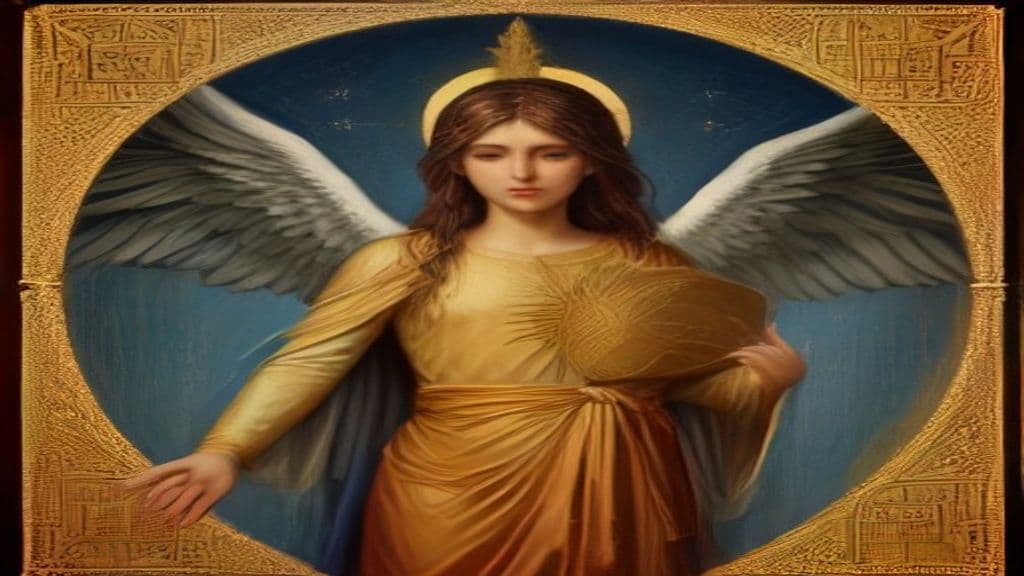
Isaiah 6 presents seraphim as winged, humanoid attendants: each had six wings—two to cover the face, two to cover the feet, and two for flight—and the vision describes heads, arms, and legs rather than wholly serpentine bodies. Revelation and other visionary texts preserve related imagery of multi‑winged creatures (e.g., the four living creatures with six wings and many eyes), and late Enochic and apocalyptic literature groups seraphim among other multi‑winged heavenly beings; scholarship notes possible iconographic parallels with Near Eastern winged serpent motifs, but the textual Isaiah image itself depicts humanoid winged beings and the connection to uraei or serpents remains debated.
Across the sources seraphim function as attendants of the divine throne whose primary behaviors are perpetual liturgical praise (Isaiah 6; Revelation) and roles connected with purification. In Isaiah a seraph takes a live coal from the altar and touches the prophet's lips, declaring his sin purged—an act linking seraphic "burning" to ritual cleansing. Later theological readings (Kabbalah) interpret their intense perception of the divine as causing continual "burning up," and angelological systems treat them as a high rank of created intelligences who serve and enact divine will. The sources do not present seraphim as malicious toward humans; rather they are purificatory and worshipful beings.
Community Record
- [1]Seraph. Wikipedia, 'Seraph'wiki
- [2]Seraph (Wikidata). Wikidata entry for Seraphother