Epic and mythographic traditions offer multiple, partly conflicting genealogies for the Taphians. One account makes Taphius an eponymous founder descended from Poseidon through a granddaughter of Perseus, integrating the Taphians into the Perseid genealogical world. An alternate tradition associates Taphius with the Leleges, making him a grandson of Lelex. Legendary kings associated with the Taphians include Pterelaos — whose life in the narratives is bound up with Poseidon-bestowed longevity via a golden hair — and Taphius, whose lineage explains ties to mainland heroic families and claims used in raids, ransom, and dynastic contests (cf. Amphitryon/sons of Pterelaos episodes in Apollodorus and Homeric tradition).
The sources supply no individualized physical descriptions of Taphians; rather, they are characterized by seafaring epithets and cultural markers. Homeric diction presents them as "Taphian men who love their oars" (an emphasis on oars and ship-craft), and later accounts associate them with islander maritime equipment and white oar-blades as seafaring signifiers in dramatic and geographic contexts. Their depiction is behavioral and social — mariners, raiders, and island-born nobles — rather than a detailed physiognomic portrait.
Narrative sources attribute to the Taphians notable maritime skill, the capacity to launch raids and cattle-lifting expeditions, and active participation in the slave trade. They are repeatedly described as "seagoing and piratical inhabitants" who practiced leisteia (raiding) as an accepted heroic-age economic activity. Certain Taphians exercised political organization under kings (e.g., Pterelaos and his sons) able to mount expeditions and to withdraw with plunder by sea. Literary tradition also emphasizes their role in metal commerce — particularly in control or brokerage of iron in the transitional Bronze-to-Iron context — which granted them disproportionate economic leverage relative to their small territorial base. In a specific legendary motif, King Pterelaos enjoys a form of secured longevity through a golden hair bestowed by Poseidon; his vulnerability arises when the hair is plucked (a narrative-specific weakness), which leads to his death in the Apollodoran cycle.
Weaknesses
- conditionnarrative vulnerability of Pterelaos' golden hair (plucking it causes his death)
- othermilitary defeat and loss in pitched battles or punitive expeditions (e.g., Amphitryon's campaign)
Wards
- othermilitary and political measures (punitive expedition, ransom, seizure of ships or thrones)
- ritualpurification by a polis ruler after blood-guilt (e.g., Creon's purification of Amphitryon)

Amphitryon
Amphitryon is a mortal nobleman of Greek mythic-historical tradition: son of Alcaeus of Tiryns, husband of Alcmene, and the acknowledged stepfather of Heracles. He appears in heroic-age narratives as a warrior, dynastic actor, and the human whose identity is impersonated by Zeus in literary treatments that explore paternity and identity.
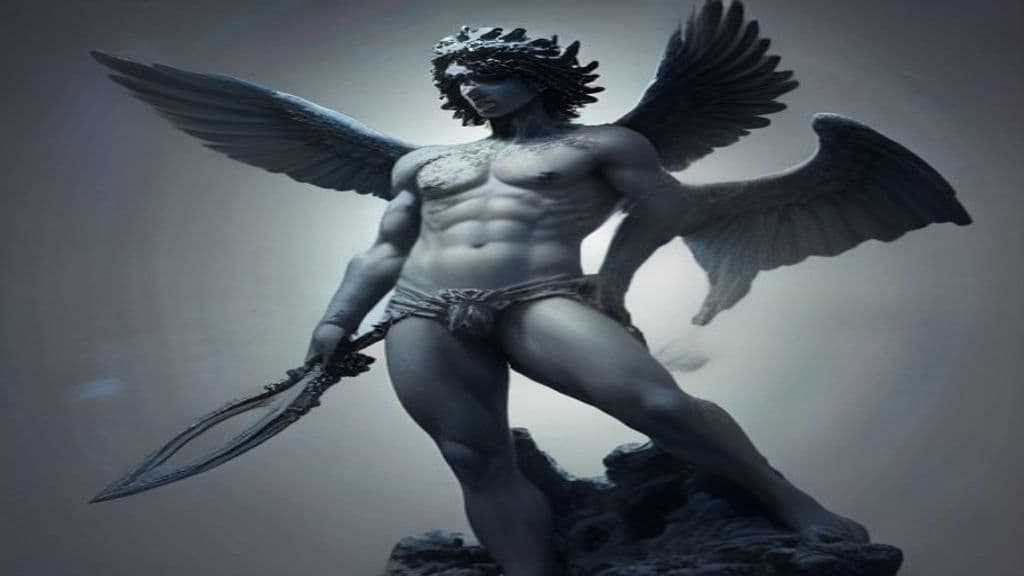
Perseus
Perseus is a legendary hero of ancient Greek myth, a mortal son of Zeus and Danaë famed as a slayer of monsters and founder of the Perseid dynasty; his narrative emphasizes divine intervention (gifts from Hermes, Athena, and Hades), heroic cunning, and eventual placement among the stars as a constellation.
Community Record
- [1]Taphians (Wikipedia). Wikipedia, article "Taphians" (accessed via research notes)wiki
- [2]Apollodorus, account of Amphitryon and Pterelaos (translation: Frazer). Apollodorus (trans. Frazer), narrative passages on the sons of Pterelaos and Amphitryon (as cited in research notes and archive recording)literary
- [3]Apollodorus audio/transcription (LP0003 The Son of Amphitryon). Archive audio/transcription of Apollodoran narrative (research notes)literary