
Sources treat the Tatzelwurm as part of the local Germanic/Alpine dragon and serpent tradition — a legendary animalic monster associated with mountains, tunnels and mines. No single creation myth or cosmological origin is recorded in the provided material; instead the creature appears in regional anecdotes from the 17th–19th centuries and survives in toponyms and oral tradition. Later naturalists attempted rational identifications (e.g., Dalla Torre, 1887), but folkloric accounts frame it as a distinct local 'worm' or mountain dragon.
Descriptions vary across accounts. Generally it is lizard- or serpent-bodied and sometimes described as cat-faced (particularly in Swiss reports). Reported lengths range from small (1–3 feet) to several feet (5–7 feet or more in certain anecdotes). Limb counts differ by testimony: some accounts describe four short legs, others two forelegs with no hindlimbs (akin to lindworms), some report no legs, and isolated anecdotes note six legs. One report described a black-grey body; another noted boar-like bristles down the back when it reared up.
Folklore attributes include a high-pitched shriek, whistle or hiss, and in Austrian/Bavarian and some Swiss traditions a poisonous or noxious breath said to cause headache, dizziness or even be lethal in popular accounts. Narratives recount nuisance or harm to livestock (e.g., cows' udders allegedly 'sucked on' in one story) and threatening postures such as rearing up to human height in at least one 17th-century encounter. Later naturalists (e.g., Dalla Torre) suggested sightings might be misidentified lizards or snakes; that rationalist view is recorded alongside the folkloric attributions.
Weaknesses
- othernone reported in supplied sources
Wards
- otherno traditional wards documented in supplied sources

Lindworm
The lindworm is a European serpent/dragon‑like monster attested across Northern, Western and Central Europe. Varieties range from limbless giant forest serpents in Scandinavian lore to two‑limbed or winged dragonic forms in Central European art and legend; it appears in both treasure‑guardian and cursed‑bridegroom narrative cycles.
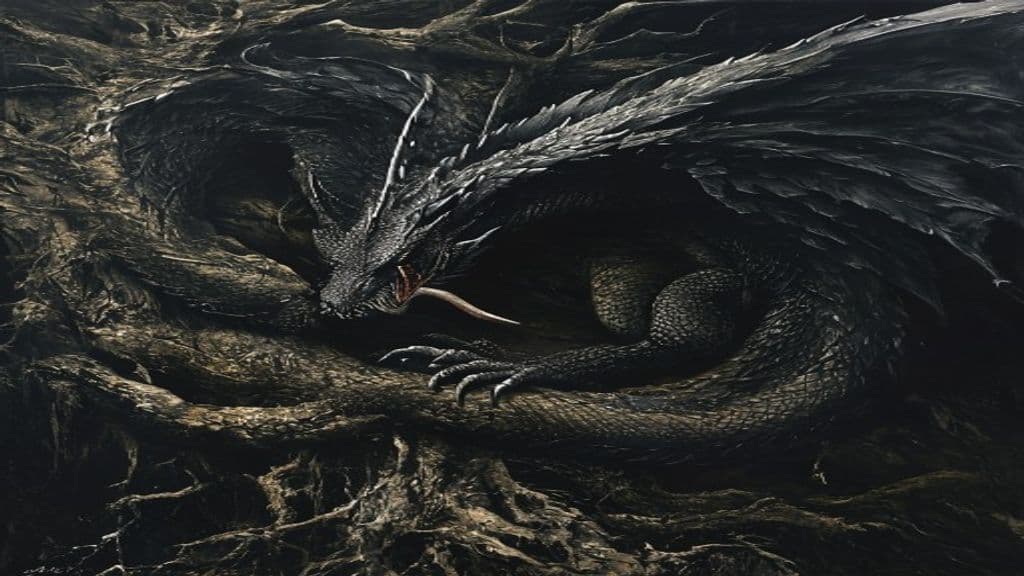
Níðhöggr
The corpse-gnawing dragon coiled around the roots of Yggdrasil, ceaselessly chewing the World Tree — and destined to survive Ragnarök and carry the dead on its wings.
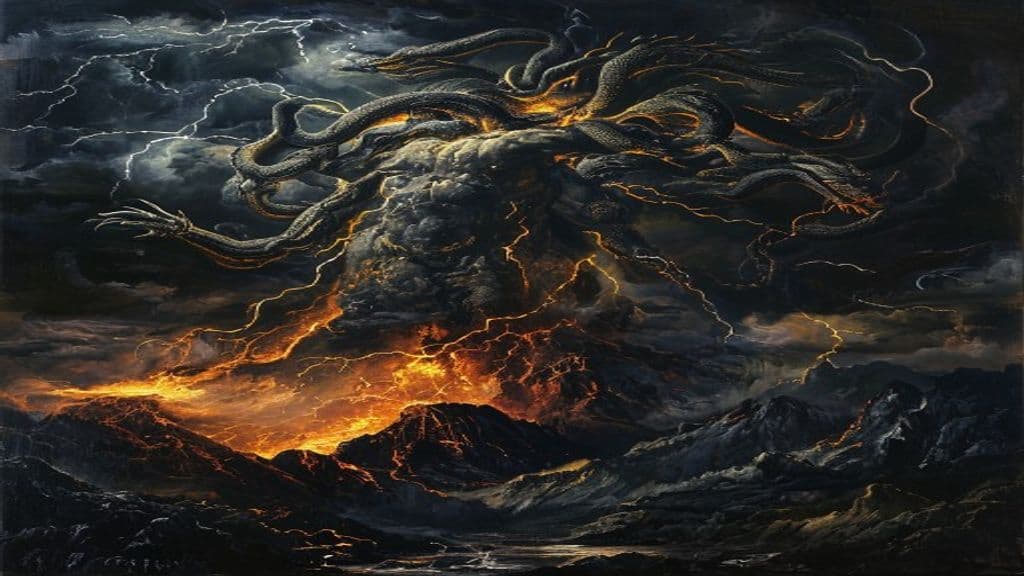
Typhon
The last great monster of Greek mythology — a vast, fire-breathing giant whose shoulders sprouted a hundred serpent heads, nearly toppling Zeus from Olympus.
Community Record
- [1]Tatzelwurm — Wikipedia. Wikipedia contributors. "Tatzelwurm." Wikipedia, The Free Encyclopedia.wiki
- [2]Tatzelwurm — Wikidata. Wikidata entry Q929345.other
- [3]Realistic Tatzelwurm (art upload) — Archive.org. Archive.org item titled "Realistic Tatzelwurm" (art upload).other
- [4]Dark Indulgence 03.21.21 Industrial | EBM | Dark Techno Mixshow - Dj Scott Durand (mentions Tatzelwurm in listing) — Archive.org. Archive.org listing referencing the name 'Tatzelwurm' in track/mix metadata.other
- [5]Wendelstein | Mangfallgebirge (hiking video referencing Tatzelwurmwasserfälle) — Archive.org. Archive.org copy of a hiking video description referencing place-name 'Tatzelwurmwasserfälle'.other