
The entity is described in the sources as originating in Persian tales and later distributed into wider Asian folklore. The supplied material presents parīs as a folkloric motif rather than offering a specific cosmogonic origin or creation myth; instead, it emphasizes the being's cultural provenance in Persian storytelling and its diffusion across regional narrative traditions. The sources do not provide a detailed mythic genealogy, rites of origin, or an account of how parīs entered the unseen-world hierarchy beyond noting their Persian roots and broader folkloric presence.
Sources consistently describe parīs as winged creatures of immense beauty. Beyond the characterization of wings and pronounced beauty, the provided excerpts do not supply further specific physical details such as size, complexion, clothing, or transformational aspects. The description in the available materials is therefore limited to a general image of a beautiful, winged supernatural being.
The sources note behavioral and social traits rather than a catalogue of explicit magical powers. Parīs are said to be structured in societies similar to that of humans and to feature in tales involving supernatural elements. One source frames the related motif as 'the jinn in love' or 'the genie who falls in love with a human being,' indicating that forming romantic attachments to humans is a recurring narrative behavior associated with this being. The supplied materials do not list additional powers (such as shape‑changing, control over elements, or specific magic); only wings, beauty, social organization, and involvement in supernatural/romantic tale types are attested.

Jinn
A class of supernatural beings from pre-Islamic Arabian religion later integrated into Islamic theology; jinn are created, morally accountable entities distinct from humans and angels, often unseen but capable of taking visible forms and interacting with people in varied ways.
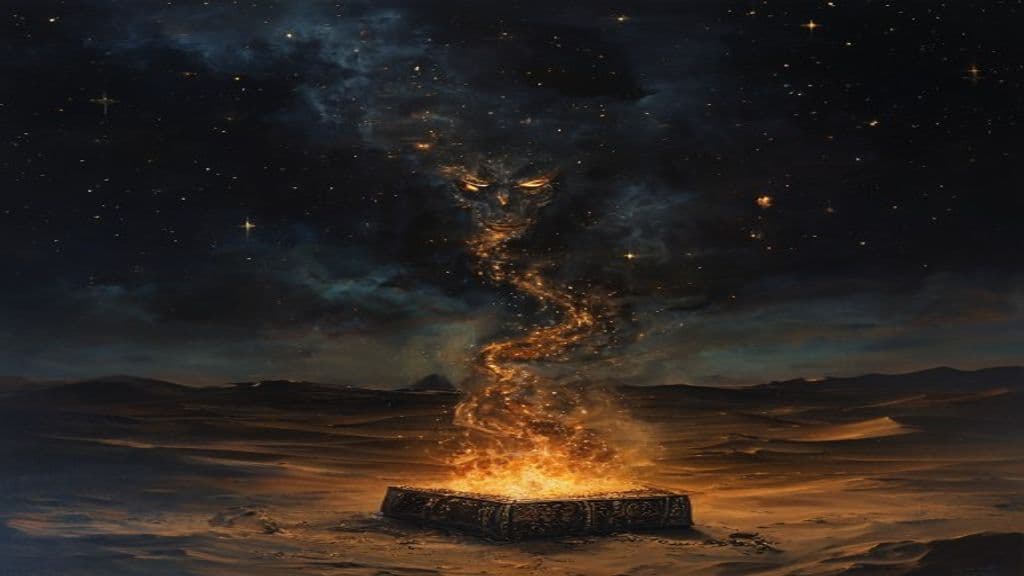
Djinn
The class of supernatural beings created from smokeless fire in Islamic cosmology — a parallel civilization to humanity, capable of belief or unbelief, with their own prophets, society, and judgment before God.
Community Record
- [1]Parī. "A parī or peri is a supernatural entity originating from Persian tales and distributed into wider Asian folklore."; "The parīs are often described as winged creatures of immense beauty who are structured in societies similar to that of humans."; "In contrast to jinn, the parīs usually feature in tales involving supernatural elements." — Wikipediawiki
- [2]The jinn in love (Wikidata entry). "The jinn in love is called the genie who falls in love with a human being." — Wikidatawiki
- [3]Shahadah Stories - Streets 2 Islam (archive recording). Selected archive material provided with no specific ritual or additional folkloric detail about parīs in the supplied excerpts.other
- [4]Lives of the Prophets (Qasas ul-Anbiyah) Collection (archive). Selected archive material provided with no specific ritual or additional folkloric detail about parīs in the supplied excerpts.other
- [5]O Mankind! (A Message to Humanity) — Quran excerpts (archive). Selected archive material provided with no specific ritual or additional folkloric detail about parīs in the supplied excerpts.other