
Thyestes is presented in the mythic-historical genealogy of the house of Pelops as a son of Pelops and Hippodamia and brother of Atreus. The family bears the curse stemming from the Myrtilus episode associated with Pelops. Various accounts place Thyestes initially as king of Olympia; after episodes of bloodshed within the dynasty (earlier traditions also link the family to murders such as that of Chrysippus), Thyestes and Atreus become rivals for power. In the succession struggle over rule at Mycenae, episodes of betrayal (including Aerope's role in the transfer of a sign of kingship) lead to fraternal warfare, the notorious banquet in which Atreus serves Thyestes his slaughtered sons, and eventual exile. An oracle instructs that Thyestes father a son by his daughter Pelopia; that son, Aegisthus, is raised to slay Atreus, fulfilling the prophetic cycle that frames the family's continuing misfortunes. (Sources: Wikipedia; attalus name index; Classics Pages; Seneca adaptations.)
Ancient and later sources do not supply a consistent physical description of Thyestes. Classical summaries and indices treat him as a historical-mythic king and genealogical figure rather than as a character defined by distinctive bodily traits; dramatic treatments (for example, Seneca's Thyestes and later theatrical adaptations) stage him in ways appropriate to their performance contexts but do not establish a canonical physical portrait. Thus portrayals vary by author and period, and surviving summaries emphasize his actions and station more than appearance. (Sources: Wikipedia; attalus name index; Seneca editions and adaptations.)
Thyestes possesses no supernatural powers in the supplied accounts; he functions as a mortal actor within a mythic moral order. The narrative attributes to him human behaviours of political rivalry, sexual transgression (an affair with Aerope), and the episode in which, following an oracle, he fathers a son by his own daughter Pelopia while his identity is concealed — the child Aegisthus who later kills Atreus. He is also the victim of extreme vengeance: Atreus kills Thyestes' sons and serves them to him at a banquet (the 'Thyestean feast'). Divine oracular pronouncements and interventions (e.g., Hermes advising Atreus; variants in which Helios' course is implicated) shape the course of events, but Thyestes himself remains a mortal figure acted upon and acting within the tragic sequence. (Sources: Wikipedia; attalus; Classics Pages; Seneca translations.)
Weaknesses
- conditionsubject to family curse and ancestral pollution
- othervulnerability to oracles and fate (the oracle prescribing a son by Pelopia)
- otherpolitical vulnerability (exile, overthrow by Atreus and the shifting favour associated with omens/divine signs)
Wards
None recorded.

Atreus
Atreus is a legendary king of Mycenae in Greek myth, progenitor of the House of Atreus and father of Agamemnon and Menelaus. Presented as a mortal dynastic figure, his story in the sources revolves around rivalry with his brother Thyestes, contested kingship, and extreme acts of revenge that form part of a multi‑generational cycle of curse and retribution.

Aegisthus
Aegisthus (Greek Αἴγισθος, Aigisthos) is a mortal member of the House of Atreus in Greek myth who, born of incestuous circumstances and raised by shepherds and a goat, participates in dynastic murder and usurpation — notably the slaying of Atreus in some accounts and the conspiracy (with Clytemnestra) that results in Agamemnon's death — and is later killed by Orestes, an episode that figures in narratives about inherited guilt, vengeance, and the transition from private retribution to public justice.
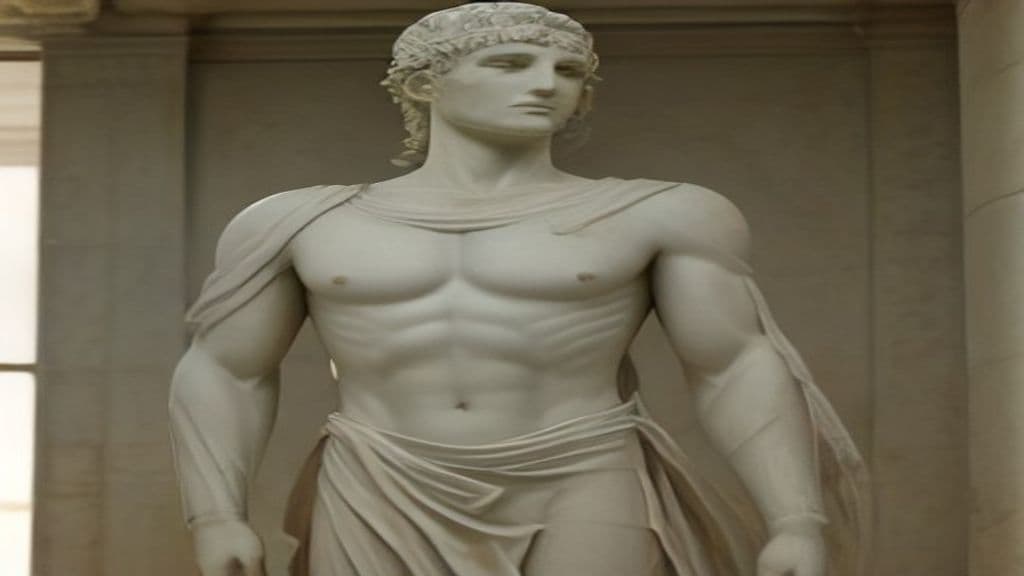
Pelops
Pelops is a mythic heroic-royal figure of ancient Greek tradition, an eponymous founder-ancestor of the Peloponnesus, ruler of Pisa/Olympia, and progenitor of dynasties (notably the House of Atreus). He is both a cult hero venerated at Olympia with chthonic libations and a narrative focal point whose deeds generate a long-lasting familial curse.
Community Record
- [1]Thyestes (Wikipedia). Wikipedia contributors. "Thyestes." Wikipedia, The Free Encyclopedia.wiki
- [2]Thyestes - in ancient sources @ attalus.org. Attalus Classical Names Index: Thyestes (compilation of ancient references).other
- [3]The Classics Pages — House of Atreus. Classics Pages. "House of Atreus."other
- [4]Seneca, Thyestes — translations and modern presentations. Seneca. Thyestes. Modern English translation and presentation (Poetry in Translation).literary
- [5]Seneca Thyestes discussion — Textkit forums and performance notes. Textkit Greek and Latin Forums. Discussion and notes on Seneca's Thyestes.other
- [6]Crowne, The dramatic works : with prefatory memoir and notes (archive). Crowne, The Dramatic Works: collected editions and notes (archive).literary