Tutelary status is not a single origin myth but a social-religious process attested across traditions: individuals or ancestors may be deified and become household or local guardians (Chinese folk examples), communities consecrate or adopt a protective patron deity (city patrons such as Athena for Athens or Zeus for Adramyttion attested on coinage), rulers or polities sponsor a tutelary (the Maharaja of Mysuru's Chamundeshwari), and in Vajrayana a tutelary (yidam) can be revealed through terma or established as a meditational focus in tantric transmission. Roman practices such as evocatio show tutelary allegiance may be ritually transferred between communities or polities.
Representations of tutelaries vary by culture and function rather than conforming to a single iconography. In the Greco‑Roman world personal protective presences and city patrons appear in statuary and on coinage (e.g., Zeus as tutelary of Adramyttion); household tutelaries like Lares and Penates are venerated at domestic lararia and small altars. Hindu tutelaries appear in temple iconography and festival contexts (e.g., Chamundeshwari at Mysuru). Vajrayana yidams are visualized in detailed tantric iconography used in meditational practice. Japanese chinjugami/chinjusama are localized kami represented in shrine contexts. Many African and Austronesian tutelaries are embodied in objects, waters, or landscape features. Overall, material forms include statues, altars, coins, temple architecture, and meditational visualizations, with specifics determined by local cult practice.
Tutelaries function primarily as protectors and patrons of their designated domain—individuals (genius, daimonion), households (Lares, Penates), neighborhoods (Lares Compitales), villages or cities (Tudigong, Chenghuangshen, Athena), occupations (patron saints or gods), or spiritual practice (yidam). They can guide personal conduct (Socrates' daimonion forbids certain acts), confer civic stability and wartime protection (civic cults and ritual practices such as evocatio), inhabit and act through objects or places (Nkisi, Simbi, atua, landvættir examples in the comparative literature), and serve as meditational foci whose visualization yields spiritual protection and attainment in Vajrayana practice. Their efficacy depends on cult maintenance, festival observance, and ritual identification by devotees.
Weaknesses
- conditionneglect or failure of cult maintenance
- ritualritual reallocation or evocatio (transfer of allegiance)
- otherpolitical syncretism or replacement through adoption of other tutelaries
Wards
- ritualhousehold cult maintenance (Lares/Penates lararium offerings)
- ritualCompitalia (festival for Lares Compitales)
- ritualevocatio (Roman ritual to secure or reassign a city's tutelary)
- ritualregular yidam meditation practice (Vajrayana)
- ritualtemple offerings and public cult (city and village tutelary maintenance)

Lares
Lares are numerous tutelary guardian divinities in Roman religion, each tied to a bounded place or social domain (household, crossroads, roads, fields, sea, city). They are invoked and maintained through domestic and local cult to observe and protect what occurs within their jurisdiction.

Penates (Di Penates)
The Penates are Roman household deities (dii familiares) who inhabit the domestic sphere of the domus. They are cultic presences maintained by routine family ritual—most notably the practice of casting a morsel into the hearth fire at meals—and are associated with Vesta, the Lares, and the Genius of the pater familias.
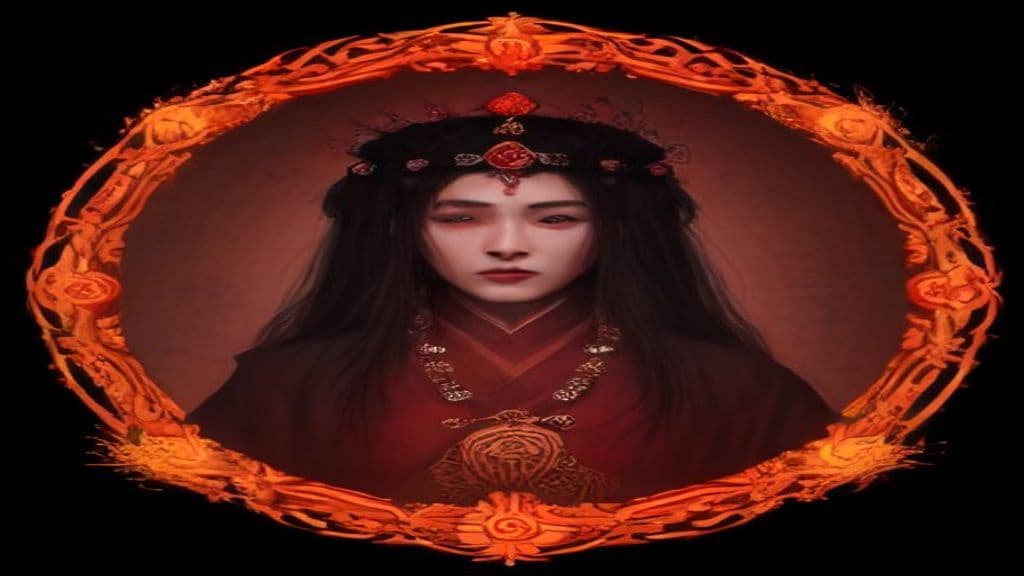
Chenghuangshen (City God)
Chenghuangshen (城隍神), commonly called the City God, is a tutelary deity in Chinese folk religion tied to a specific settlement. Historically associated with a city's walls and moat, the deity functions as protector of local affairs and as a local official in the postmortem ordering of souls for that place.

Chinjugami
Chinjugami (鎮守神) are tutelary kami enshrined to protect a specific building, estate, or region. Traditionally installed at chinjusha (guardian shrines) or within temples, they function within syncretic Japanese popular religion to secure human projects and negotiate authority with older local spirits.
Community Record
- [1]Tutelary deity. Wikipedia, 'Tutelary deity' (entry provides general definition, examples including genius, Lares, Penates, Tudigong, Chenghuangshen, ishta-devata, yidam, and discussion of evocatio and Compitalia).wiki
- [2]Wikidata: yidam. Wikidata entry for 'yidam' describing the Vajrayana Buddhist meditational tutelary deity.wiki
- [3]ma ni bka' 'bum : a collection of rediscovered teachings focussing upon the tutelary deity avaloketesvara (mahakarunika). Archive collection (Mani Kabum) identified as teachings and practices focused on Avalokiteshvara as a tutelary; used as source for existence of meditational practice collections.other
- [4]Chos rgyal srong btsan sgam poʼi ma ṇi bkaʼ ʼbum. Archive description of Chos rgyal collections related to Avalokiteshvara and yidam practice; indicates archived ritual/teaching materials without quoting details.other
- [5]MYSORE SAMUNDESWARI AMMAN. Archive item noting Chamundeshwari as a tutelary deity venerated by the Maharaja of Mysuru (example of regional/familial tutelary cult).other
- [6]Zeus as a Tutelary Deity of Adramyttion. Corpus Nummorum article showing civic tutelary representation (Zeus) on coinage for Adramyttion, used as an example of civic tutelary iconography.other
- [7]Erriapus (deity). Wikipedia entry for Erriapus as a regional tutelary known from inscriptions and a stone altar (example of local tutelary cult attested epigraphically).wiki
- [8]JAANUS / juuniten 十二天. JAANUS entry describing juuniten (the twelve deities) and their incorporation as tutelaries in Japanese esoteric Buddhist contexts.other
- [9]Japan - Shrines and Temples: chinjugami - tutelary deity. Discussion of chinjugami/chinjusama as localized guardian kami associated with shrines (used as source for Japanese local tutelary practice).other