
Origins of individual vāhanas vary by mythic account and local tradition. Some vāhanas are presented as divine or semi-divine beings given to gods (for example, Garuḍa in Vishnu’s myths is a mighty bird-demigod whose episodes include obtaining amṛta), while other mounts have origin stories in which a once-hostile or transmuted being becomes a vehicle—examples in sourced materials include Mushika (Ganesha’s mouse) described in some narratives as transformed from a gandharva or other cursed or altered being, and Paravani (Kartikeya’s peacock) associated in some stories with a defeated adversary. Nandi (Shiva’s bull) and other commonplace animal mounts are treated in temple tradition as long-established attendant figures. The documented sources stress variation and local textual traditions (including Agamic manuals) rather than a single uniform origin for all vāhanas.
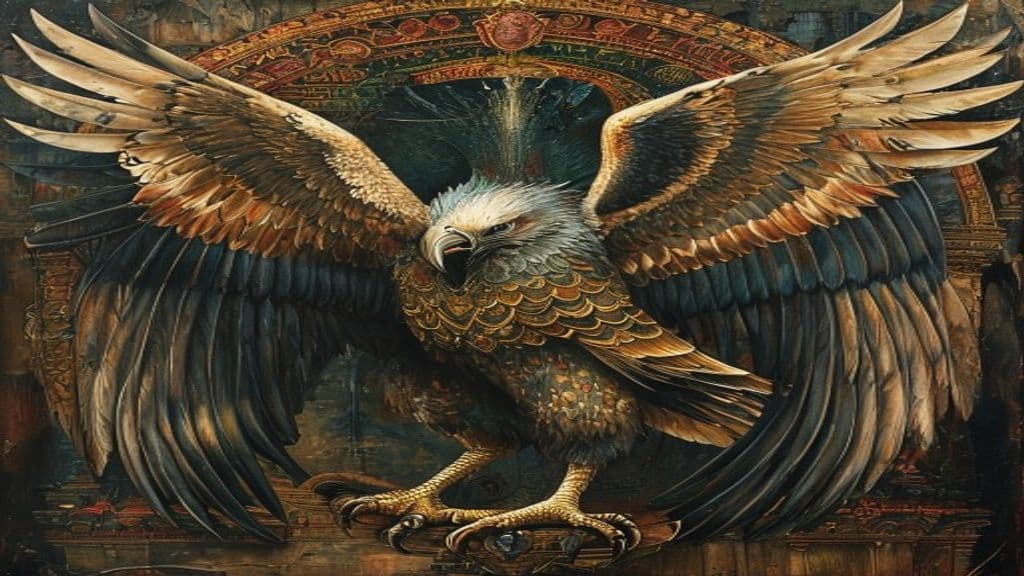
Vāhanas take many forms across iconography and regional practice. Common real-animal mounts include the bull Nandi for Shiva, the mouse or rat (Mushika/Mushaka) for Ganesha, the peacock (Paravani) for Kartikeya, and the eagle-like Garuḍa for Vishnu. South Indian temple art frequently employs composite mythic creatures—such as the yali (combining lion, elephant, serpent, and sometimes horse features) and makara-like aquatic hybrids—as sculptural mounts and procession figures. In temple contexts deities may be depicted seated on, standing upon, or accompanied by their vāhana; festival practice often uses large silver- or gold-plated wooden procession mounts (vahanam) to carry images of the deity.
Sources attribute to vāhanas both emblematic meanings and, in particular myths, independent feats. Symbolically they convey attributes of their riders (for example strength and virility associated with Nandi; speed and sharpness with Ganesha’s mouse; splendor with Kartikeya’s peacock) and may also represent tendencies the deity restrains. In narrative episodes some vāhanas exhibit extraordinary powers: Garuḍa performs cosmic feats in myths—he confronts serpentine foes and carries amṛta in his beak—and bestiary and temple traditions portray yali and makara-like forms as potent protective emblems. At the same time, the literature treats most vāhanas primarily as emblematic attendants whose occasional agency in tales serves theological and iconographic purposes.
Community Record
- [1]Vahana. Wikipedia, Vahanawiki
- [2]Koyil Vilakkalin Vahana Ula Alaya Utsava Vahana Yana Kramam. Archive.org listing for Tamil/Sanskrit Agamic text on vahana procession practiceother
- [3]Vahana (bestiary entry, legacy AonPRD). Bestiary-style summary referencing vahana formsother
- [4]Airbus A³ Vahana. Wikipedia entry cited to note modern lexical uses of the term 'Vahana' (not mythic content)wiki