The supplied sources do not provide a single mythological origin narrative for yakshinis. Instead, textual and archaeological evidence attest to their long-standing place in South Asian religious landscapes: yakshinis appear as a recognizable category of female nature-spirits in Hindu, Buddhist, and Jain literature and are depicted in ancient art (for example, Kushan-period Mathura reliefs on sacred-rail pillars). These attestations indicate antiquity and an association with sacred groves and the demarcation of sacred space rather than a unified origin myth in the provided materials.
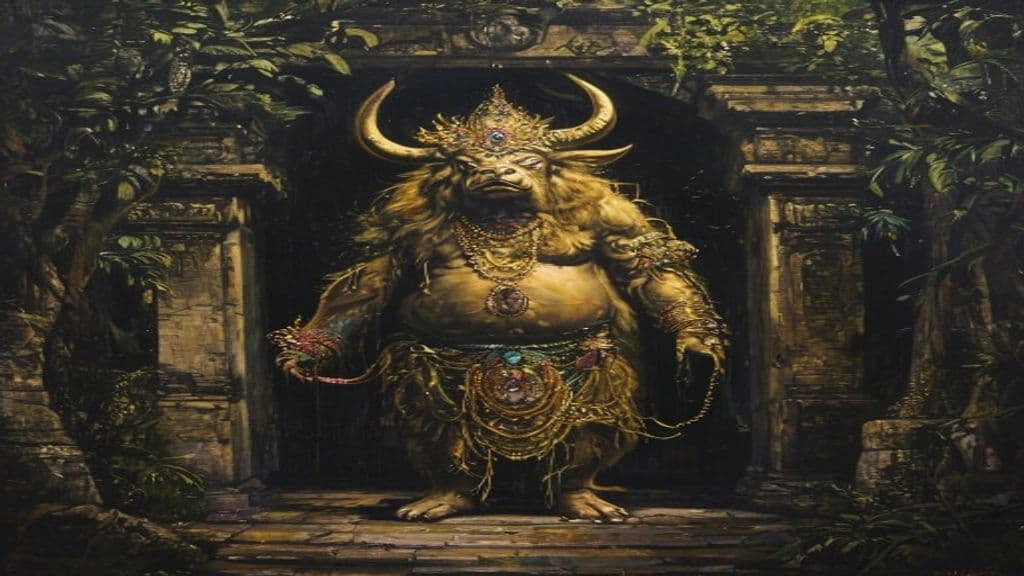
Textual sources classify yakshinis as female nature-spirits but do not fix a single canonical bodily description. Artistic and archaeological evidence (notably a Kushan-period Mathura corner-rail pillar) shows a range of iconography: voluptuous female figures often linked visually to trees, groves, grapevines, attendants, and ritual or festive scenes; some carved examples depict hybrid or animal-headed forms (the Cleveland Museum caption describes "a lustful horse-headed nature divinity, a yakshi, accosts a young man" on one face of a pillar), while other faces show women struggling with garments, musicians, and bacchanalian imagery. Thus common iconographic themes across traditions include female form, fertility/abundance motifs, vegetal elements (trees, vines), and attendant figures, but hybrid or unusual features occur in specific regional or historical artworks rather than as universal attributes.
The sources associate yakshinis with roles tied to sacred groves, fertility, abundance, and the liminal boundaries of sacred enclosures. Iconography and textual classification suggest they personify or inhabit natural, sacred, and liminal places and may function as boundary markers or auspicious figures when placed on railings that demarcate sacred sites. The provided materials do not enumerate standardized supernatural powers such as possession, guaranteed bestowal of boons, or set harms; instead, they emphasize a cultural role animating nature, fertility, and the ambivalent sensual power of liminal encounters in religious and artistic contexts.
Weaknesses
- otherNo documented weaknesses in supplied sources
Wards
- otherNo specific protective rituals or wards documented in the supplied sources; iconographic placement on railings and gateways served a boundary/marker function
Community Record
- [1]Yakshini - Wikipedia. Wikipedia contributors. "Yakshini." Wikipedia, The Free Encyclopedia.wiki
- [2]Corner Railing Pillar with Drinking Scenes, Yakshis, and Musicians (archive of Cleveland Museum of Art caption). Cleveland Museum of Art. Corner Railing Pillar with Drinking Scenes, Yakshis, and Musicians (Kushan period). Museum caption archived.other