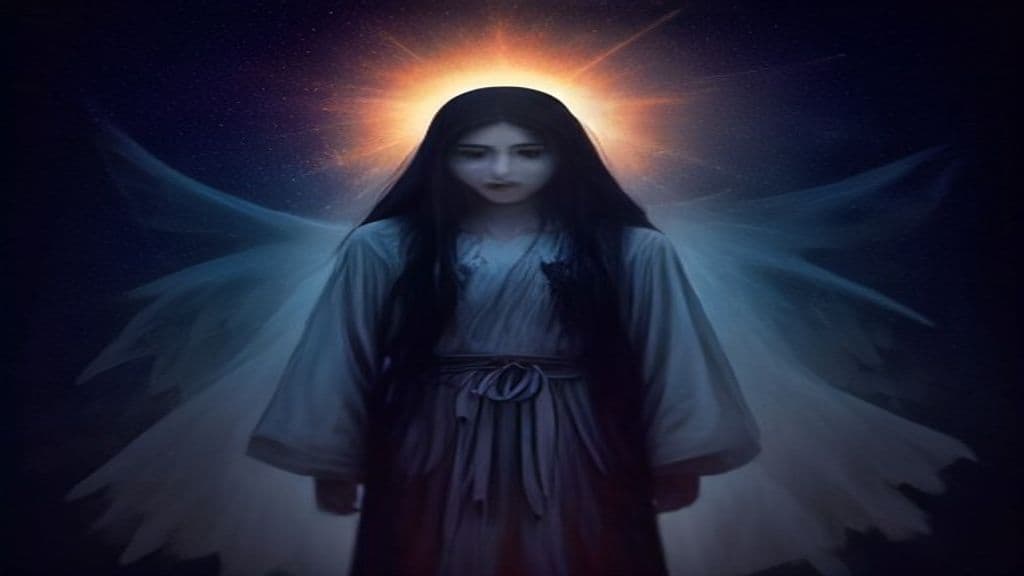
The supplied materials do not provide a mythological origin narrative specific to Zār in Armenian tradition. The only directly cited text treats possession generically: possession is an altered state attributed to control of a human body by spirits, ghosts, demons, angels, or deities. No primary- or secondary-source origin story, genealogical account, or indigenous cosmological placement of Zār is present in the provided documents, and thus no Armenia-specific origin narrative can be asserted from the supplied corpus.
The supplied sources do not describe a consistent visible form for Zār. The only available descriptive material from the provided corpus emphasizes embodied signs of possession rather than a spirit's independent physical appearance: possession produces an altered state of consciousness and associated behavioral changes in the afflicted person. Because the supplied texts discuss possession in behavioral and consciousness terms, appearances recorded in those materials are limited to changes in the host's behavior and mental state rather than a standardized visible form for the possessing agent.
Based on the general account of spirit possession in the supplied text, the core ability attributed to entities like Zār is the capacity to control a human body and its functions, producing an altered state of consciousness and associated behaviors. Possession may be voluntary or involuntary and may be judged beneficial or harmful depending on cultural context. The supplied materials do not document additional specific powers, magical feats, or subtypes for Zār in Armenian or regional sources within the provided corpus.
Weaknesses
None recorded.
Wards
- ritualChristian exorcism (general reference)
Zin (Water Spirits)
Mythical water spirits in West African Songhai mythology. (Note: * Power tier should be Lesser or Minor Spirit, as there is no mention of their powers or abilities. * Appearance description is missing; however, since it's not provided in the source material, it can)
Zinariya (Jinayana)
No verifiable information about an entity called Zinariya or Jinayana is present in the provided source materials. The available sources do not mention this name, nor do they contain Central African folklore data relevant to the entity.
Ziz
A giant, bird-like creature with griffin characteristics in Jewish tradition. (Note: * Power tier: Primordial is too high; based on the source material, it's more accurate to place the Ziz as Greater (powerful regional) given its ability to block out the sun. * Abilities: Add a note s)
Zmey Gorynych
Zmei (masculine) / zmeya (feminine), commonly called Zmey Gorynych in Russian usage, is a legendary serpent/dragon figure in Russian folktales and epic poetry, variously depicted as a monstrous serpent/dragon or as a human-like character with dragon traits. It functions in narratives as a principal adversary confronted by culture-hero protagonists and persists as a cultural symbol in modern Russian discourse.
Zois (Slavic)
Martyr figure in Wendish mythology, possibly referencing historical king Stois or Stoigar. (Note: * Power tier should be Primordial, as it's described as a martyr figure with possible historical roots. * Appearance and Abilities sections are missing information. * Sensory cues, Weaknesses, and War)
Zār
Zār (also zar) names a class of possessing spirit and the associated ritual system found across the Horn of Africa and adjacent Middle Eastern communities. Governed socially and ritually, Zār possession is treated as an ongoing relationship to be managed through communal rites (the zār ritual or zār cult) that reconcile spirit and person rather than forcibly expelling the spirit.
al-Burāq
Al-Burāq is the supernatural prophetic mount in Islamic narrative tradition, described in hadith and later exegesis as the white, lightning‑swift steed that carried the Prophet Muḥammad on the Night Journey (Isrāʾ and Miʿrāj) from Mecca to al‑Masjid al‑Aqṣā and thence through the seven heavens. The creature appears in later local traditions tied to specific sacred places (the Rock in Jerusalem, tethering traditions at the Haram/Western Wall) and in visual art, which sometimes expands on the terse textual descriptions.
qarāqaṣ / qarāqāsh (no attestation)
No reliable folkloric or ethnographic information about an entity called qarāqaṣ or qarāqāsh was found in the supplied sources. The term is unattested in the provided materials, which do not treat it as a supernatural being.
Áillen (Aillen)
Áillen is an otherworldly incendiary figure in Irish tradition who annually harasses the royal site of Tara at Samhain by lulling inhabitants to sleep with harp or timpán music and burning the place with fiery breath; his cycle is broken in the story-cycle when the hero Fionn mac Cumhaill resists the soporific music and kills him.
Álfröðull
Álfröðull is an Old Norse poetic term and mythic element denoting the sun as a shining disc or glory and the sun-chariot (and rider) associated with the goddess Sól. It functions both as a kenning in skaldic verse and as a cosmological actor whose fate is tied to the wolves and the eschaton of Ragnarök.
Ámsvartnir
Ámsvartnir is a named lake in Old Norse mythic geography attested in Snorri Sturluson's Prose Edda (Gylfaginning). Its name literally means "pitch black," and it is described as containing the island Lyngvi, the site where the gods bound the wolf Fenrir.
Áłtsé hashké (Coyote)
A complex figure in Navajo mythology embodying multiple roles and attributes, revered for his powers over rain. (Note: - Power tier should be adjusted to Greater (powerful regional) as the source material does not indicate primordial power. - Sensory cues are not specified but the article could note that Coyote's role)
Community Record
- [1]Spirit possession (Wikipedia). Wikipedia, 'Spirit possession' (excerpt supplied in research notes).wiki
- [2]STUDIA CERANEA (issue download). Issue download listed among consulted sources (no extractable material on Zār in supplied excerpts).other
- [3]AL-ʿUṢŪR AL-WUSṬĀ 29 (2021) (issue download). Issue download listed among consulted sources (no extractable material on Zār in supplied excerpts).other
- [4]AL-ʿUṢŪR AL-WUSṬĀ 26 (2018) (issue download). Issue download listed among consulted sources (no extractable material on Zār in supplied excerpts).other
- [5]Our Ancestors Were Bedouin: Memory, Identity, and Change (download). Listed among consulted items (no extractable material on Zār in supplied excerpts).other
- [6]Historical Engagements and Interreligious Encounters (download). Listed among consulted items (no extractable material on Zār in supplied excerpts).other
- [7]Historical Engagements and Interreligious Encounters (alternate download). Listed among consulted items (no extractable material on Zār in supplied excerpts).other
- [8]Comparative Law (issue download). Listed among consulted items (no extractable material on Zār in supplied excerpts).other