
Within the tradition as presented in the sources, ruqyah is believed to expel spiritual entities—such as jinn, ghosts, and devils—from a person, object, or location.
Ruqyah (also rendered ruqya or ruqyah) is identified in Islamic sources as the practice used to drive out or counteract possession and harmful influence by spiritual entities. The supplied materials name alternative terms used for the practice (al-'azm, ṭard al-shayṭān/al-jinn) and state that exorcists are called raqi. Contemporary archived audiovisual materials and named reciters are listed in media archives under labels such as "Rukye / Ruqyah," indicating the circulation of recorded recitations, but the provided excerpts do not include liturgical texts, standardized procedural steps, or doctrinal explanations of efficacy. The practice is described in the sources as applicable to persons, things, or locations believed to be possessed or infested by spirits.
- 01No specific ordered procedural steps, verbatim prayers, or rituals are attested in the supplied sources and therefore no step-by-step sequence is asserted here. Source excerpts identify the practice name(s) and the role-title of practitioners (raqi) but do not provide textual or action-based procedure in the provided materials.
- ⚠The provided excerpts do not mention any contraindications, risks, or conditions under which ruqyah should not be performed.
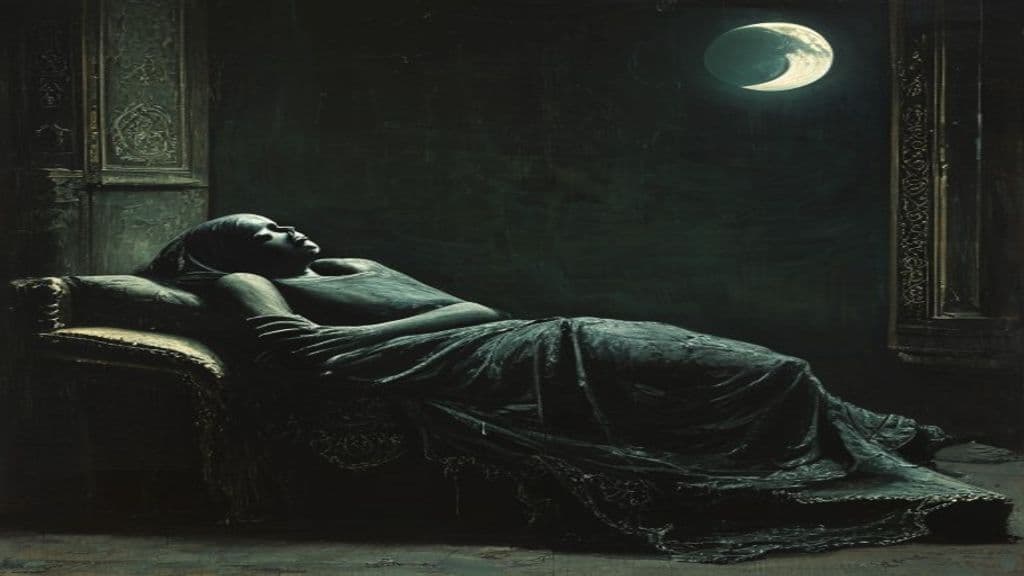
Qareen
The personal spirit companion assigned to every human being at birth in Islamic theology — a jinn double that knows all of a person's secrets and whispers toward sin throughout their life.
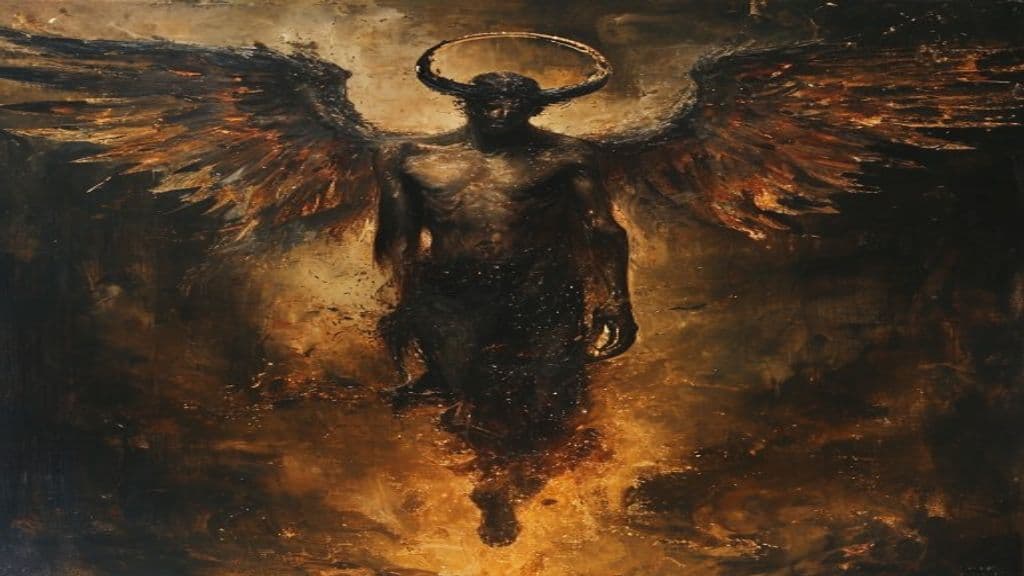
Iblis
The primordial deceiver in Islamic theology; a jinn who refused God's command to bow before Adam and was expelled from heaven. The source of all temptation and whispered suggestion.

Marid
The most powerful class of jinn in Islamic tradition — beings of the sea, associated with the deep ocean, storms, and the granting of wishes at terrible cost. The classic genie of the Arabian Nights.

Jinn
A class of supernatural beings from pre-Islamic Arabian religion later integrated into Islamic theology; jinn are created, morally accountable entities distinct from humans and angels, often unseen but capable of taking visible forms and interacting with people in varied ways.
Community Record
- [1]Exorcism in Islam (Ruqyah entry). Wikipedia, entry summarizing beliefs about spiritual possession and naming ruqyah/al-'azm/ṭard al-shayṭān/al-jinn; states exorcists are called raqi.wiki
- [2]Khalid Al-Hibshi (Rukye / Ruqyah) — archive listing. Archive.org metadata listing recordings/playlists labeled "Rukye / Ruqyah" and named reciters/channels (e.g., Khalid Al-Hibshi; Salah Al-Sayari; Mohamed Jebril); indicates circulation of recorded recitations in media archives.other
- [3]Wikidata: Ruqyah: The Exorcism. Wikidata item referencing ruqyah/exorcism in Islamic contexts.other