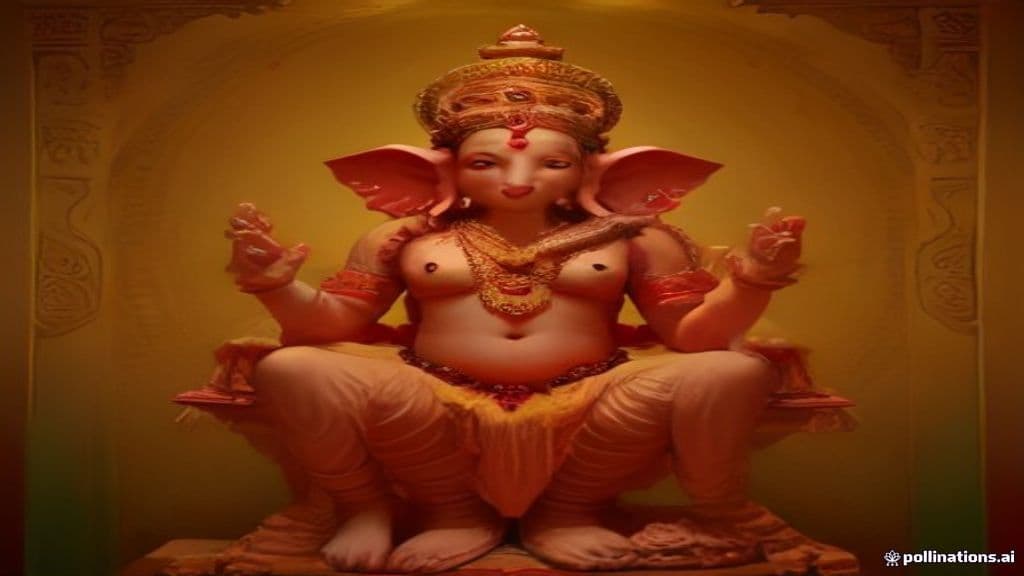
Sources present Adi Vinayaka as the form of Ganesha that portrays him with a human head created by the goddess Parvati to guard her. Puranic accounts included in the sources relate that Shiva, not recognizing the boy, decapitated him when denied access to Parvati; the subsequent restoration narrative (Shiva procuring an elephant head) is part of the same legend. Adi Vinayaka is treated in the literature as a named, primordial/formal aspect of Ganesha — a remembered phase in the deity's mythic biography rather than a separate being (Wikipedia; Pancharatana stotram preface).
Textual and temple evidence describes Adi Vinayaka as an anthropomorphic depiction of Ganesha with a human head (Nara Mukha, 'human-faced'). A cited temple source reports a four-foot statue identified as Adi Vinayaka housed in a separate shrine at the Nandrudayan Vinayaka Temple; the provided materials do not elaborate further on iconographic garments, attributes, posture, or attendant beings (Wikipedia; Nandrudayan Vinayaka Temple article).
The supplied sources do not attribute powers or behaviors to Adi Vinayaka that are distinct from the broader theological attributes of Ganesha. General Ganesha theology in the Pancharatana stotram preface emphasizes Ganesha's primacy in ritual efficacy (e.g., other gods pay homage to him), but the texts and temple references given do not describe unique supernatural abilities, modes of interaction, or distinct behavioral narratives for the Adi form specifically.
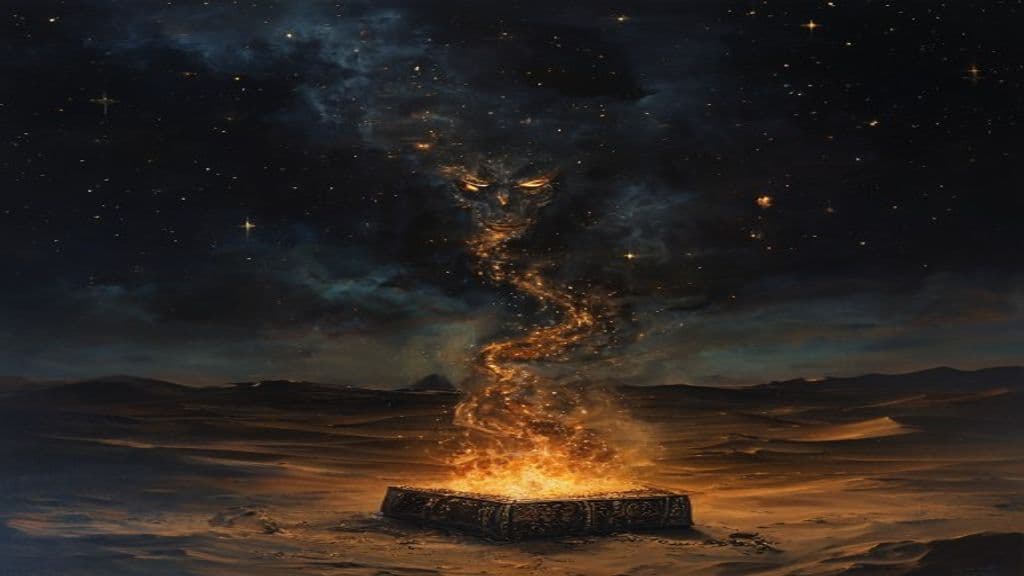
Djinn
The class of supernatural beings created from smokeless fire in Islamic cosmology — a parallel civilization to humanity, capable of belief or unbelief, with their own prophets, society, and judgment before God.
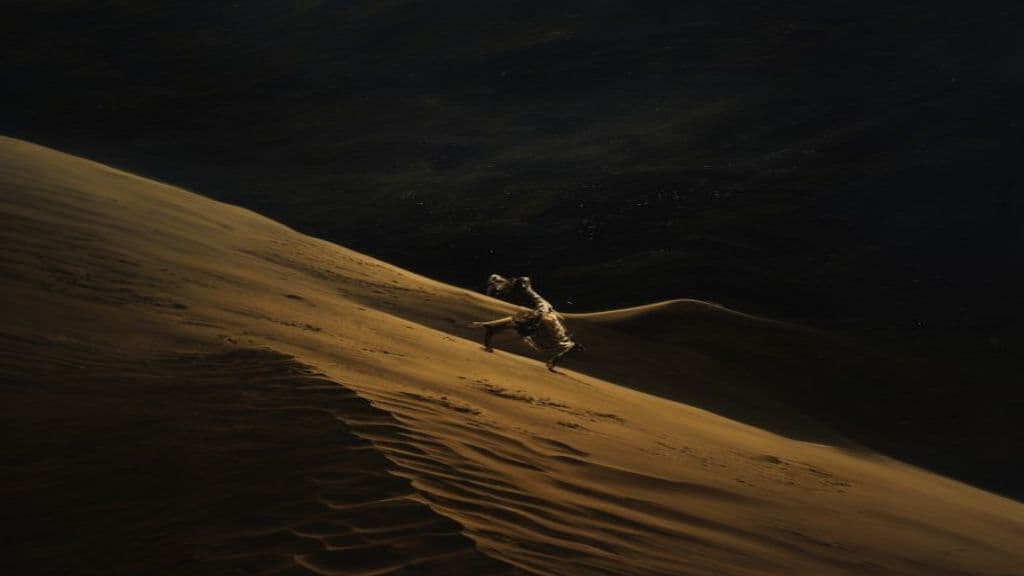
Jann
The weakest class of djinn in Islamic tradition, associated with desert winds and taking the form of snakes or whirlwinds, dwelling in empty wilderness and posing little threat to those who know the proper invocations.
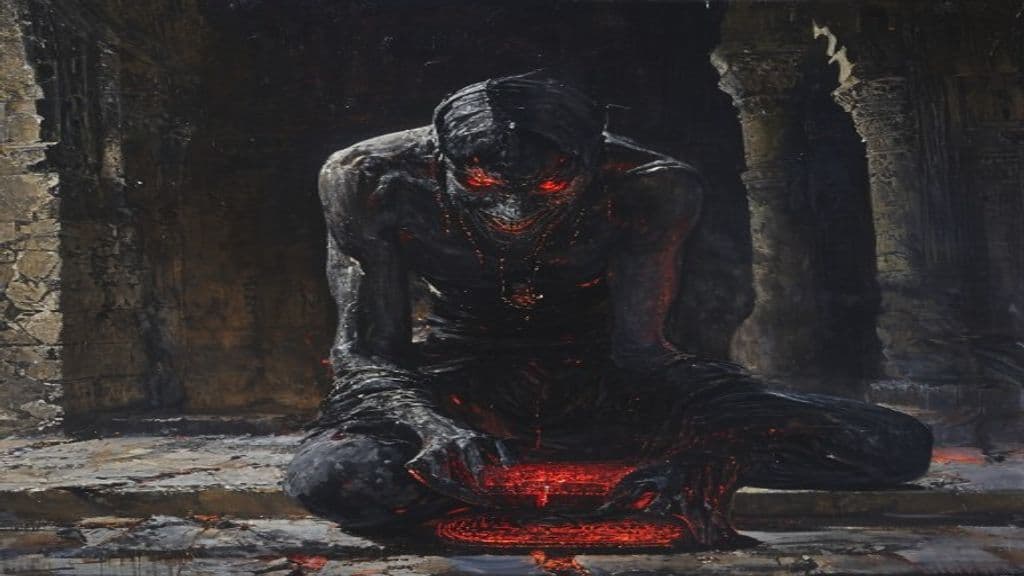
Shaitan
A class of corrupted djinn who follow Iblis and dedicate themselves to leading humans astray — distinct from Iblis himself, the Shayatin are a species of evil djinn who whisper doubts and temptations into the minds of the living.
Community Record
- [1]Adi Vinayaka (Wikipedia). Wikipedia: 'Adi Vinayaka (Sanskrit: आदि विनायक, IAST: Ādi Vināyaka, also known as Nara Mukha Vinayaka) is a form of the Hindu deity Ganesha (Vinayaka), which portrays Ganesha with a human head, prior to his decapitation by his father, Shiva.'wiki
- [2]Nandrudayan Vinayaka Temple (Wikipedia). Wikipedia: 'There is also a separate shrine with a 4-foot statue of Adi Vinayaka within the temple complex.'wiki
- [3]Sri Maha Ganesha Pancharatana Stotram (archive.org). Pancharatana stotram preface: 'According to the Puranas, Ganesha - the Lord of the Ganas - ... is a unique manifestation of Brahman. His supremacy is clear from the fact that even the Trinity ... are hampered in their work if they do not first pay homage to Ganesa.'other
- [4]Vinayakashtakam (archive.org). Archive: Vinayakashtakam (devotional stotra in praise of Vinayaka); used as evidence of devotional/hymnic material associated with Vinayaka forms.other
- [5]South Indian festivities (archive.org). Archive listing of South Indian festivities includes Vinayaka Chaturthi among observances, indicating the broader ritual calendar in which Vinayaka figures appear.other
- [6]Carnatic composition listings for 'Adi vinAyaka' (karnatik.com). Carnatic musical repertoire entries listing compositions titled 'Adi vinAyaka' (varnam) and related kritis, indicating musical/devotional works composed in the name of Adi Vinayaka.other
- [7]Kalady - Alchetron. Alchetron note about worship of Vinayaka in small shrines being performed by Tamil or Kannada Smartha Brahmins — used as contextual information about temple custodianship in Vinayaka shrines (general Vinayaka context).other