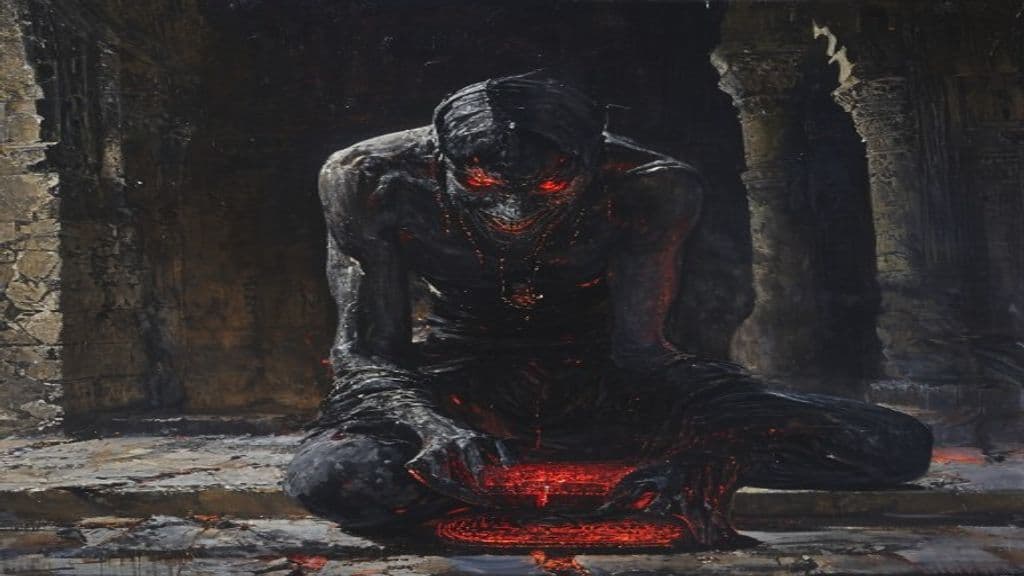
In Islamic theology, Shaitan (the general term for devil/demon, related to Hebrew Satan) refers both to Iblis specifically and to the class of corrupted djinn who follow him. These are not fallen angels — they are djinn who made a choice. The Quran makes this explicit: Iblis was of the djinn (Surah 18:50). The shayatin work primarily through waswas — whispered suggestion — planting doubts, desires, and fears in human minds without direct possession.
Classical Islamic scholars distinguish shayatin from other evil djinn by their specific mission: they are not merely malevolent but purposeful in their corruption. Each human is said to be attended by a qareen (personal twin djinn) and shayatin attempt to work through this relationship to increase the qareen's negative influence.
Typically invisible — their primary mode of operation is the whisper, not visible manifestation. When manifesting physically, described as dark, smoke-like, repellent. They prefer the left side of the body and the dark spaces of the home — particularly the bathroom and the area under stairs.
Waswas — the ability to whisper doubts, temptations, and negative thoughts into the human mind so convincingly they seem like the person's own thoughts. Can exaggerate a person's existing fears and desires. Work in concert to affect entire communities. Can manifest in dreams.
Weaknesses
- mantraTa'awwudh: A'udhu billahi min ash-shaytani r-rajim
- ritualRegular prayer disrupts their access
Wards
- mantraAyat al-Kursi before sleep
- ritualSaying Bismillah before every action
Djinn
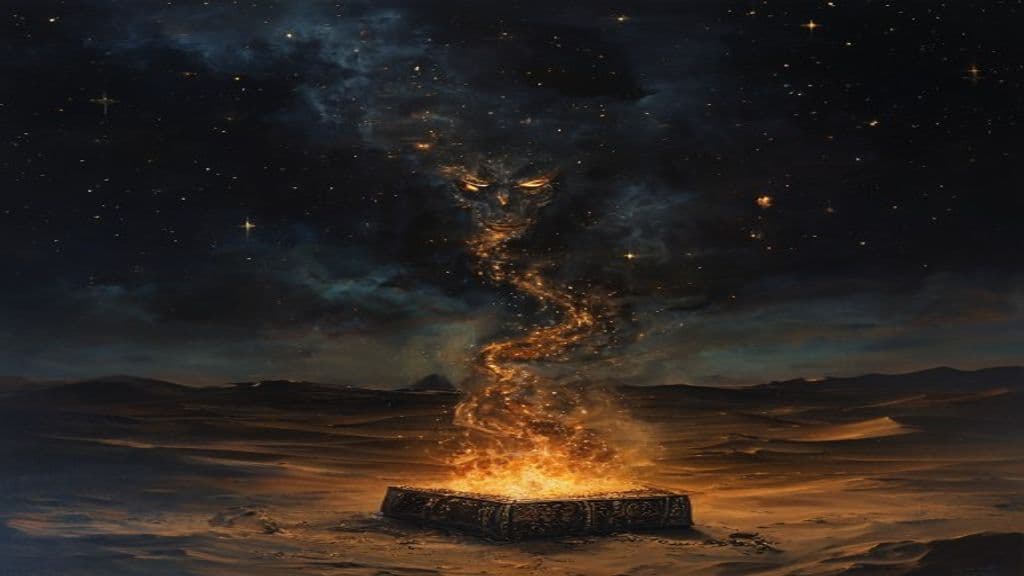
The class of supernatural beings created from smokeless fire in Islamic cosmology — a parallel civilization to humanity, capable of belief or unbelief, with their own prophets, society, and judgment before God.
Iblis
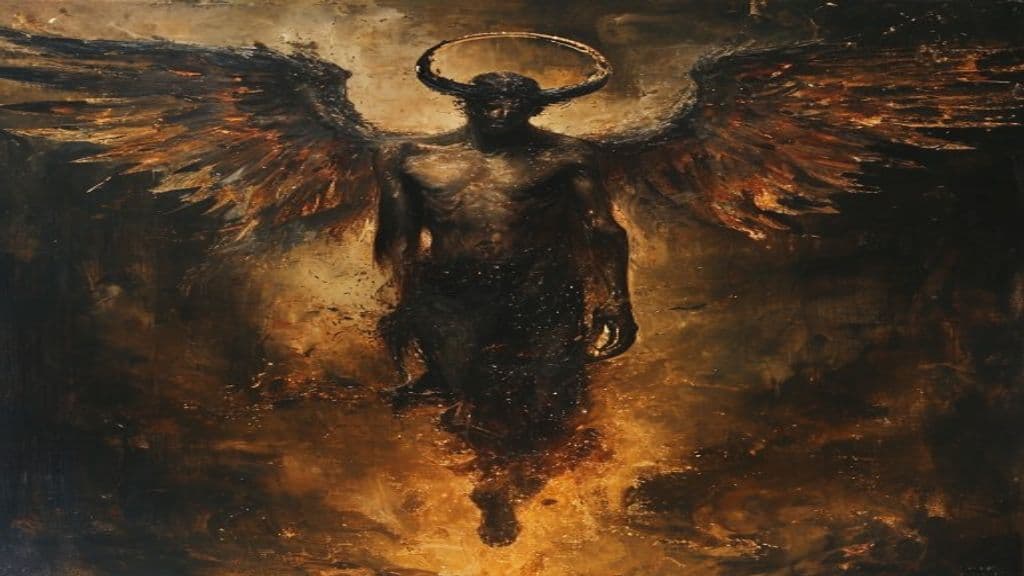
The primordial deceiver in Islamic theology; a jinn who refused God's command to bow before Adam and was expelled from heaven. The source of all temptation and whispered suggestion.
Jann
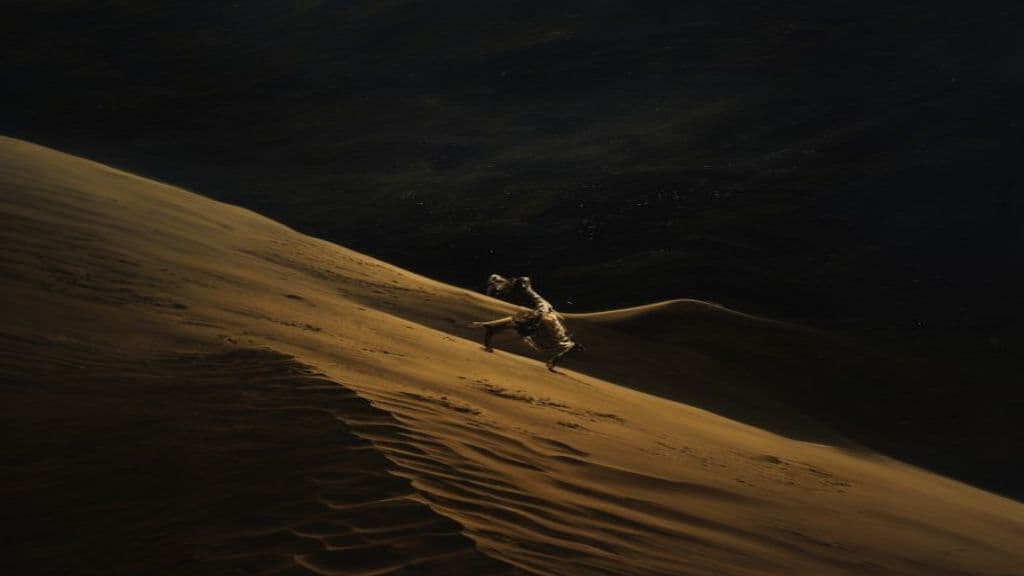
The weakest class of djinn in Islamic tradition, associated with desert winds and taking the form of snakes or whirlwinds, dwelling in empty wilderness and posing little threat to those who know the proper invocations.
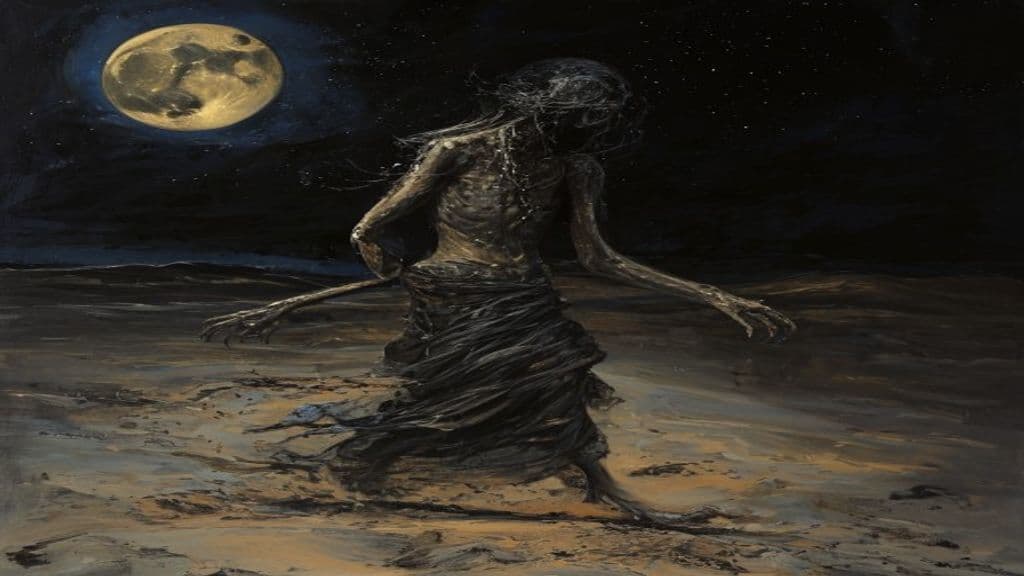
Nasnas
A half-human djinn creature of Arab folklore — possessing only half a face, one arm, one leg, and half a torso — descended from the union of a shaitan and a human, moving by leaping and highly dangerous to encounter.
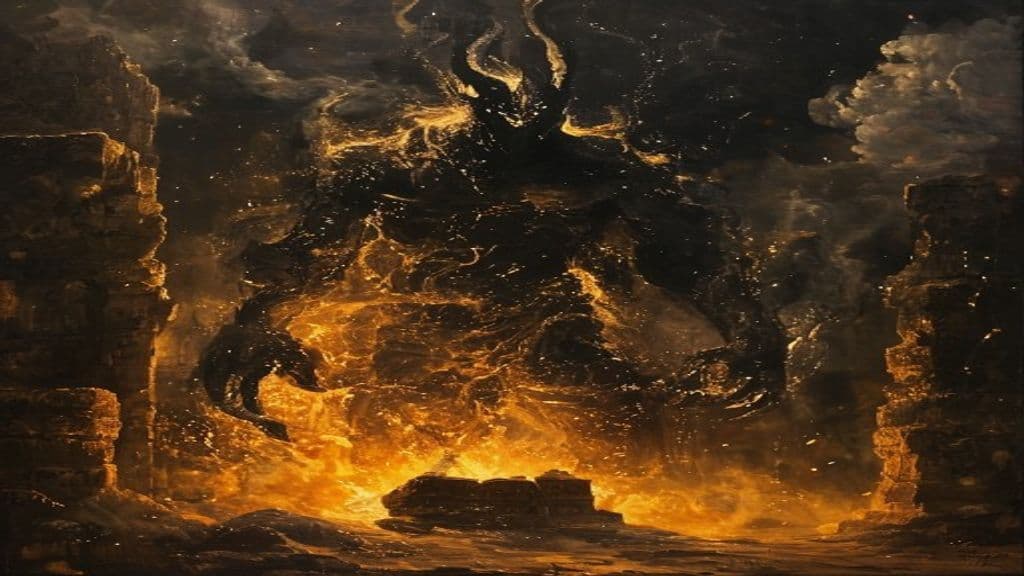
Ifrit
One of the most powerful classes of jinn in Islamic and pre-Islamic Arab tradition — a fire-born being of immense strength and cunning, capable of great works of engineering and terrible violence.
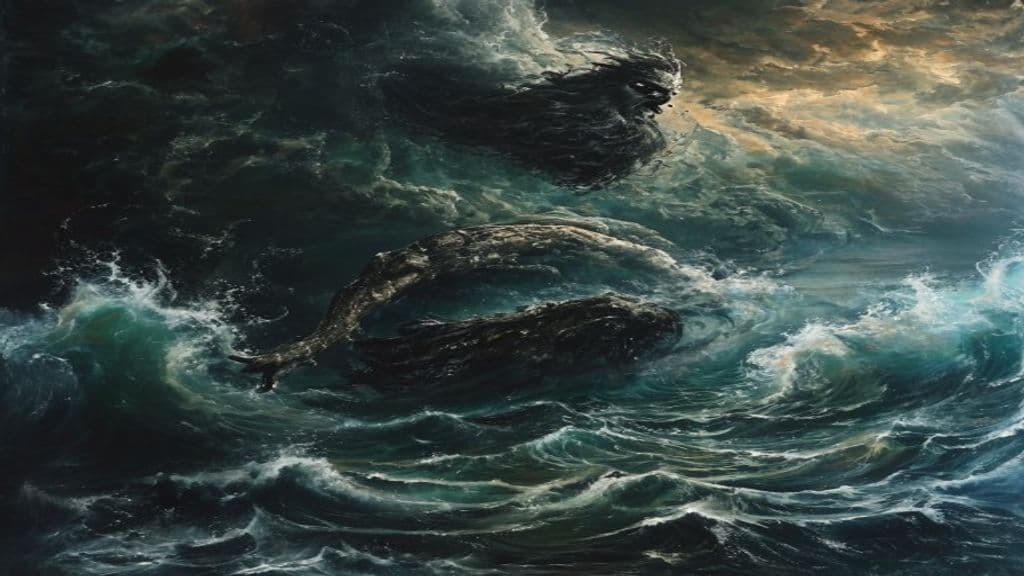
Marid
The most powerful class of jinn in Islamic tradition — beings of the sea, associated with the deep ocean, storms, and the granting of wishes at terrible cost. The classic genie of the Arabian Nights.

Sila (Si'la, Si'lat)
A jinn-like, chiefly female shapeshifting spirit from Arabian folklore, the Sila (Si'la/Si'lat) is associated with desolate desert places where it misleads travellers, seduces men, and may intermarry with humans. Early sources equated it with the ghoul; later traditions treat it as the female counterpart of ghoul-type beings.
Community Record
- [1]The Quran. Surah Al-Baqarah 2:268; Surah An-Nas 114:4–6; Surah Al-Kahf 18:50. Various translations.literary
- [2]The World of the Jinn. El-Zein, Amira. 2009. Islam, Arabs, and the Intelligent World of the Jinn. Syracuse University Press.academic