
Adrastus is presented in the sources as a scion of the Argive royal line, identified as a son of Talaus. In several traditions he is forced from Argos by the dynast Amphiaraus, flees to Sicyon where he becomes king, and later reconciles with Amphiaraus and returns to rule at Argos. During the generation after Oedipus he receives the exiled Polynices, arranges dynastic marriage alliances (notably marrying his daughter Deipyle to Tydeus), and gathers leading Argive princes to mount the expedition known as the Seven against Thebes, thus linking Argive dynastic politics to the Theban tragedy (sources: Apollodorus summaries, Euripides, Statius, compiled reference summaries).
The supplied accounts do not give a detailed corporeal portrait of Adrastus. Poetic and dramatic sources portray him as an aging monarch—Statius describes him as governing 'on the verge of old age'—and dramatic passages (Euripides' Suppliants) present him in performative lamentation as a mature ruler and mourner of slain companions. Some narrative tradition mentions his family relations (daughters, marital alliances) but no consistent physical descriptors such as stature, coloration, or distinctive marks are recorded in the provided materials.
Adrastus possesses no supernatural powers in the cited sources; his 'abilities' are political, military, and social. He exercises rulership and patronage: providing hospitality to exiles (Polynices), arranging dynastic marriages (Deipyle to Tydeus), marshaling aristocratic families and troops from Argive houses to support Polynices, and serving as leader and organizer of the Seven against Thebes. Dramatic treatments emphasise his role as organiser and as a grieving survivor of the expedition's losses rather than as a magical or divine actor (sources: Apollodorus material, Euripides' Suppliants, Statius' Thebaid, reference summaries).
Weaknesses
- conditionmortality and political vulnerability (exile, military defeat)
Wards
None recorded.
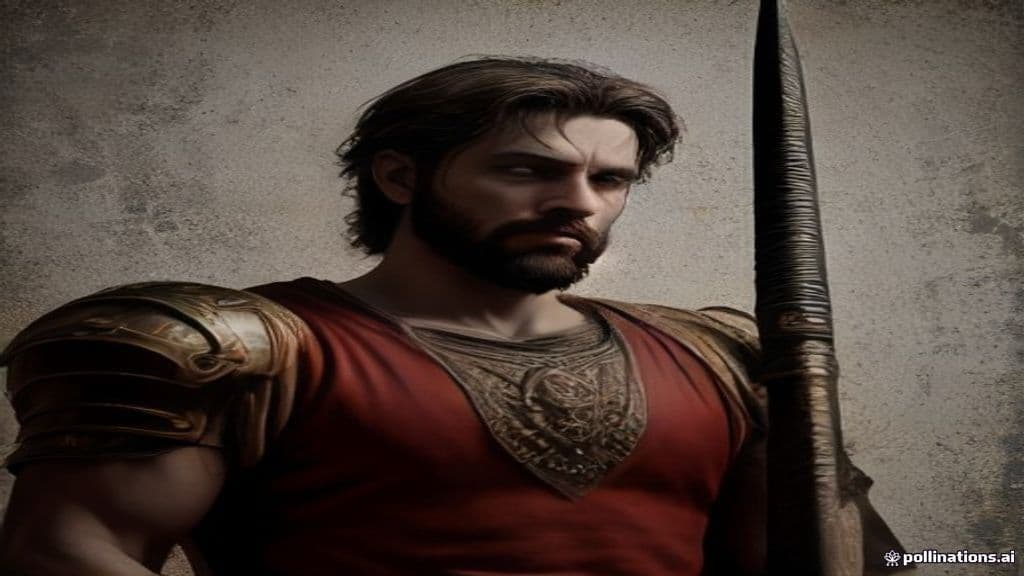
Tydeus
Tydeus (Ancient Greek: Τυδεύς) is an Aetolian heroic figure of archaic Greek myth, counted among the Seven against Thebes and known as the father of Diomedes (Tydides). He appears in narratives of exile, single combat, and the Theban campaign; in some traditions his extreme violence — notably a reported episode of consuming the brains of his killer — leads the goddess Athena to withdraw a promised immortality.

Amphiaraus
Amphiaraus is a legendary Greek seer and chthonic hero, famed as one of the Seven against Thebes. After his death—when the earth opened and swallowed him—he was venerated at the Amphiareion of Oropos as a healing and oracular figure whose sanctuary received petitioners seeking dream-delivered solutions.

Polynices
Polynices is a mythic human prince of Thebes in the Greek Theban cycle. Son of Oedipus, he contests the throne with his brother Eteocles, leads the Argive expedition known as the Seven against Thebes, dies in single combat with Eteocles, and becomes the focal point of the funerary and legal conflict dramatized in Sophocles' Antigone.
Community Record
- [1]Adrastus - Wikipedia. Wikipedia entry 'Adrastus'wiki
- [2]The Suppliants by Euripides (translated). Euripides, The Suppliants (MIT Classics translation) — dramatic passages presenting Adrastus as supplicant and mournerliterary
- [3]Thebaid, Book I — Statius (translation). Statius, Thebaid Book I — reference to Adrastus governing 'on the verge of old age'literary
- [4]LP0062 'Jocastas Children' (Apollodorus material). Archive LP0062 compilation summarising Apollodorus' placement of these events within the Theban cycleother
- [5]The Lost Epic Stories of the Theban Cycle That Inspired Greek Tragedy | TheCollector. Survey article situating Adrastus within the Theban cycle and the Seven against Thebes traditionother
- [6]Euripides text scan (archive). Archive scan of Euripides material referenced for performative linesliterary
- [7]Statius, Thebaid (archive reference). Translation of Statius' Thebaid used for depiction of Adrastus as an aging rulerliterary
- [8]Newton Project - Chronology notes (normalized). Notes discussing variant traditions about Adrastus' initial seat (Sicyon vs Argos) and local divergencesacademic