In the Cretan-Athenian myth cycle preserved in classical sources and later summaries, Androgeos is presented as a son of King Minos of Crete and Pasiphaë. Classical narratives treat his death as an event with far-reaching civic and religious consequences: after Androgeos is slain, Athens is said to suffer divine displeasure and to be compelled to send young boys and girls to Crete as tribute to Minos. This sequence of events functions etiologically to explain the tribute/penal practice in the Theseus/Minotaur tradition and provides narrative motive for Theseus's volunteering to face the Minotaur. The supplied sources also note a separate bearer of the name listed among Greek fighters at the sack of Troy, though that namesake is not elaborated in the provided materials. Accounts vary in detail across authors and summaries; the excerpts supplied do not fix a single version of the circumstances of Androgeos's death.
Classical sources and the supplied summaries provide no consistent physical description that marks Androgeos as a supernatural form; he is portrayed as a mortal young man or prince within genealogical and heroic narratives. As son of Minos and Pasiphaë he is presented in role as Cretan royalty (a prince whose fate affects interstate relations), while other textual attestations list an otherwise unnamed Greek soldier bearing the same name among warriors at Troy. The archival excerpts emphasize his narrative role and fate rather than bodily detail.
The provided materials attribute no supernatural powers or nonhuman behaviors to Androgeos. His significance in the traditions cited is causal and narrative: his death triggers divine displeasure toward Athens and leads to the imposition of a tribute of youths to Crete, which in turn motivates later heroic action (Theseus volunteering against the Minotaur). The sources do not depict Androgeos performing miraculous feats or possessing inherent supernatural agency; different authors and summaries offer varying circumstances surrounding his death but do not ascribe supernatural abilities.
Weaknesses
- otherNo supernatural weaknesses attested — mortal figure
Wards
- otherNo wards or protections attested — sources treat Androgeos as a human actor rather than a spirit
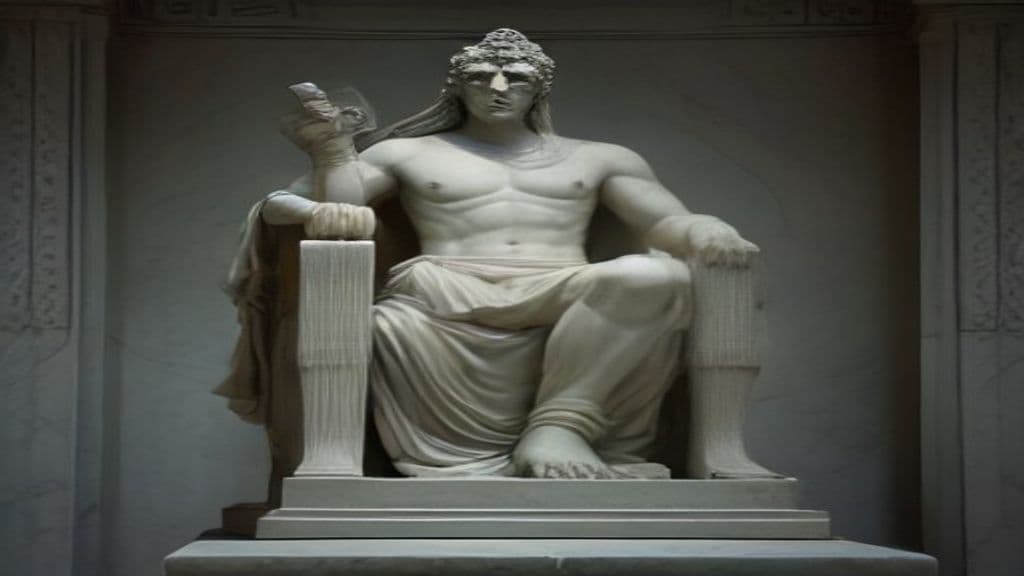
Minos
Minos is a legendary Cretan king in ancient Greek myth, remembered as a lawgiver and founder of Cretan naval power in life and as one of the three judges of the dead in Hades after death. Classical sources present him as a semi-divine, politically powerful mortal (son of Zeus and Europa) whose authority is both terrestrial and judicial in the afterlife.
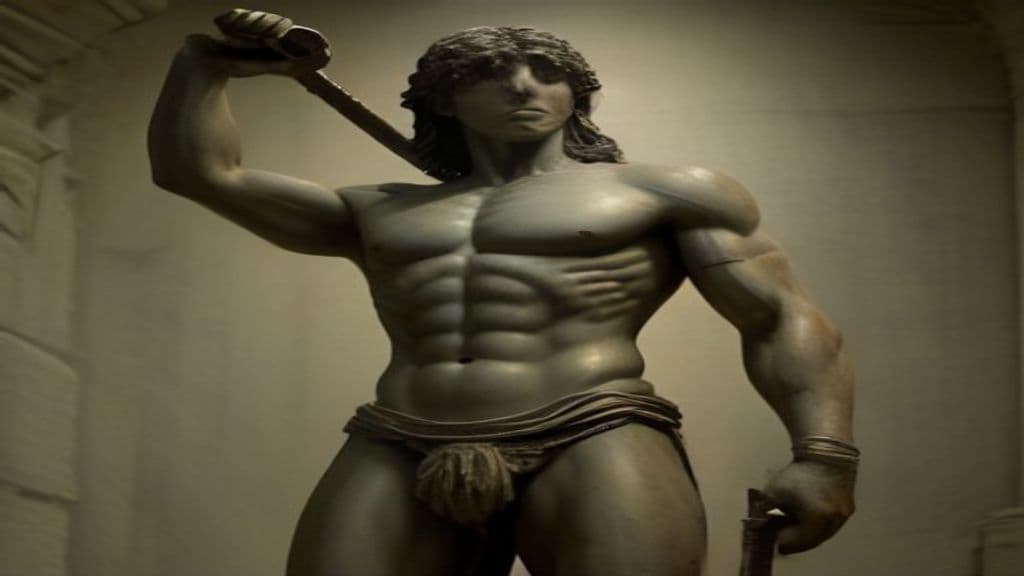
Theseus
Theseus is a legendary hero of Greek myth credited with clearing dangers from Attic roads, slaying the Minotaur, and performing foundational civic acts for Athens (including synoikismos and establishing cult practice). He is portrayed as of mixed mortal and divine parentage and functions as a culture-hero and exemplar in later authors' moralizing biographies.

Ariadne
Ariadne is a figure from Greek myth—described as a Cretan princess, helper of the hero Theseus, and in many accounts the consort of Dionysus—whose narratives range from abandoned mortal lover to deified cult figure associated with the labyrinth, weaving, and a wedding diadem set among the stars (Corona Borealis).
Community Record
- [1]Androgeos. Wikipedia entry 'Androgeos' (etymology and attestations)wiki
- [2]LP0008 Theseus (archive item). Archive item summarizing the Theseus/Minos cycle and Androgeos's role as antecedent to the tributeliterary
- [3]LP0112 cat64a Argo & Ariadne (archive item). Archive summary (Catullus commentary) noting 'Her brother Androgeus slain, Athens plagued by the gods, and the young boys and girls due to Minos as tribute, for which Theseus volunteered.'literary
- [4]LP0111 ovHero10 Ariadne's Letter (archive item). Archive item containing Ovid's Ariadne passage contextually linked to the Theseus/Minotaur narrative and to Androgeos as background cause of the tributeliterary
- [5]Wikidata Q154957 (Androgeos). Wikidata entry for Androgeos (identifier and cross-references)other